English
 中文简体
中文简体 Tiếng Việt
Production of various high-end fabrics reaches 7 million meters annually, including a wide range of fashionable new products and exquisite items, with a broad coverage of color patterns.

Textile Weaving Explained: Weave Types, Fabric Quality and Sourcing Guide
2026-10-09
Content
A 14-wale corduroy and a 24-wale corduroy can leave the same mill, dyed in the same bath, and only one of them will survive a pile-crush check after a forty-minute container ride. The fiber is identical. What differs is how the loom interlaced warp and weft, and how firmly the finisher locked that structure down.
Textile weaving is the stage where most later quality arguments are already decided. Shade, shrinkage, skew, seam slippage, pilling, even how a garment behaves when a brand overdyes it, all trace back to yarn count, ends and picks per inch, and the weave repeat. The notes below come from a vertically integrated mill in Changzhou, Jiangsu that spins, weaves, dyes and finishes about seven million meters of woven fabric a year for apparel, home textile and industrial buyers.
What Textile Weaving Actually Controls
Weaving locks in three things the moment the fabric leaves the loom: dimensional stability, surface character, and how readily the cloth absorbs dye and finish.
Everything downstream negotiates with those three. A tenter can pull out two or three percent of residual crimp and a calender can flatten a surface, but no finishing route turns a loose plain weave into a stable twill or gives a 1/1 poplin the drape of a satin. Buyers who accept that stop arguing with the dyehouse and start specifying the loom instead.
- Warp: the lengthwise yarns held under tension on the loom beam; warp count sets base strength.
- Weft: the crosswise yarns inserted by rapier, air jet or water jet; pick density drives weight and cover.
- EPI and PPI: ends per inch and picks per inch, the two numbers that combine with yarn count to give cover factor.
- Weave repeat: the smallest block of ends and picks that repeats across the cloth.
- Crimp: the waviness a yarn takes as it passes over and under its neighbors, the source of most shrinkage and elongation.
DefinitionTextile weaving is the interlacing of two perpendicular yarn sets, warp lengthwise and weft crosswise, on a loom, repeated in a fixed sequence called the weave repeat. Plain weave repeats on 2 ends by 2 picks, a 3/1 twill repeats on 4 by 4, and a corduroy repeats on a much larger block that also contains the pile-forming floats.
The Four Weave Families Buyers Compare Most
Almost every production woven fabric belongs to one of four structural families. Jacquard and dobby are patterning systems layered on top of them, not a fifth structure.
| Weave family | Interlacement | Hand and behavior | Typical end uses |
| Plain | 1/1 on a 2 x 2 repeat | Firm, flat, low stretch, highest cover per unit weight | Poplin, voile, canvas, sheeting, filters |
| Twill | Diagonal floats, 2/1, 3/1 or 4/1 | Denser than plain at equal count, better drape, more abrasion resistance | Denim, chino, cavalry twill, workwear |
| Satin and sateen | Long floats over four or more ends | High luster, soft hand, lower abrasion resistance, snag prone | Lining, bedding, formalwear |
| Pile | Extra warp or weft floats cut after weaving | Raised surface, deep texture, shade shifts with direction | Corduroy, velvet, upholstery |
Cover factor beats weight. Two fabrics at 240 gsm can behave nothing alike if one is a tight plain weave and the other a loose 4/1 satin. Ask for cover factor, EPI and PPI before you argue about grams per square meter.
A jacquard loom can weave plain, twill or pile structures, because the mechanism only adds pattern control. If you need surface interest, the useful question is which base structure the pattern sits on. A fuller walkthrough of weave types, fabric quality and sourcing checks is worth reading before you approve a swatch.
How Weave Structure Changes Fabric Performance
Four measurable differences show up in almost every woven fabric program: crimp, skew, pilling and dye uptake.
7M m
Woven fabric per year
12,000 m2
Mill site in Changzhou
20+
Years weaving since 2005
GRS
Certified recycled cotton
Crimp drives shrinkage. A plain weave forces every weft yarn to bend over and under each end, so it releases more crimp in the wash than a twill with longer floats. A 1/1 poplin and a 2/1 twill at the same yarn count can land three percentage points apart on residual shrinkage, which is why construction standards should name the weave, not only the fiber.
Skew follows float direction, and twill magnifies it because the floats all run the same way. Understanding how the diagonal structure of twill behaves under tension saves a long argument about garment twist after cutting.
Pile fabrics are their own case. A 14-wale corduroy and a 24-wale velveteen are both pile structures, but wale count, pile density and weft tension decide how the nap holds, how the shade shifts when brushed, and how the cloth looks after ten home washes. Ask for wale count per inch, pile direction and a wash test on the production dye lot rather than the lab dip.
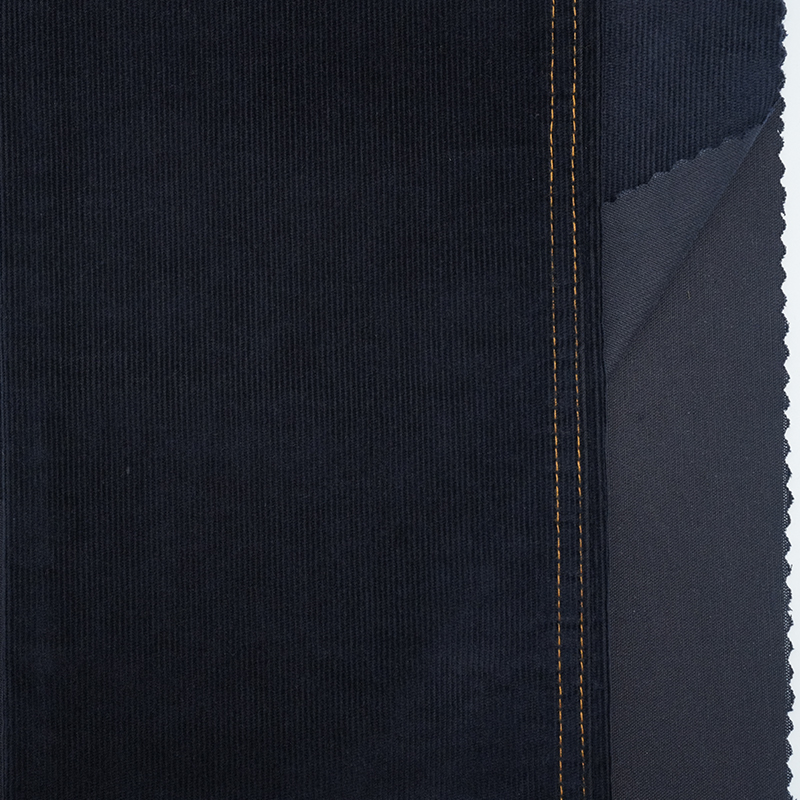
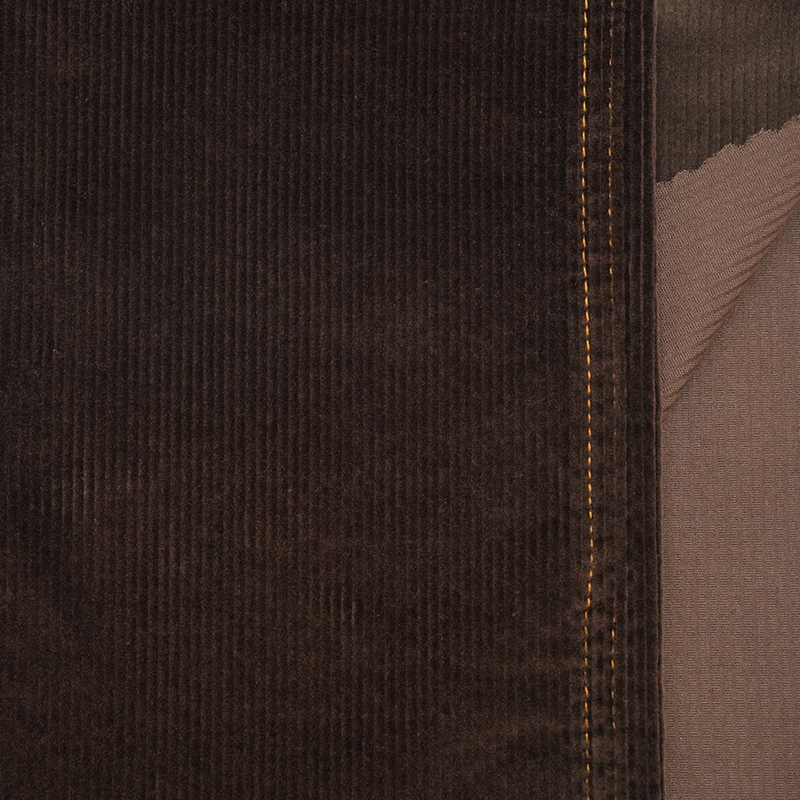
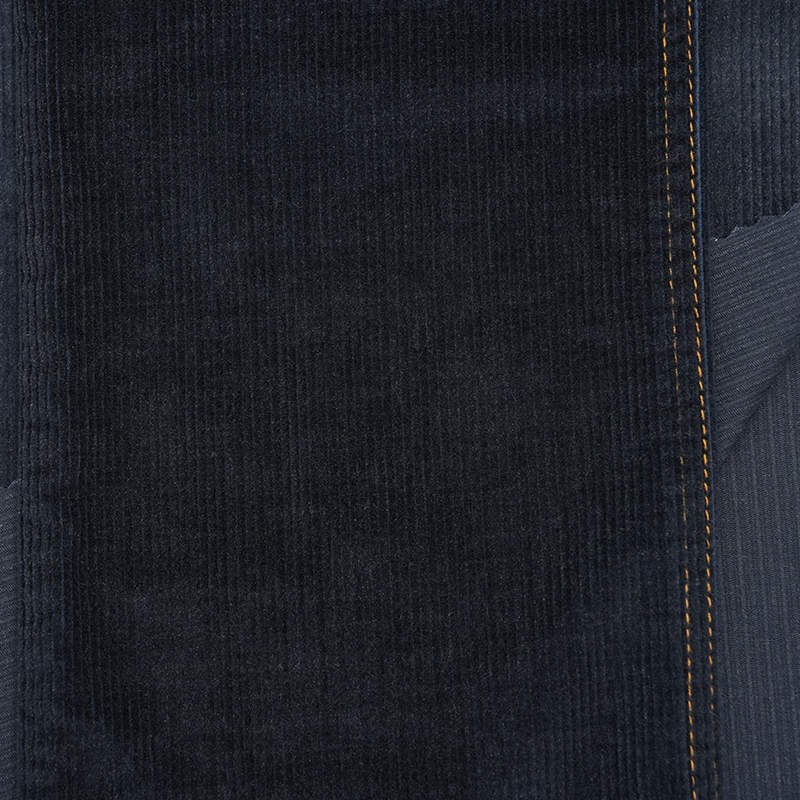
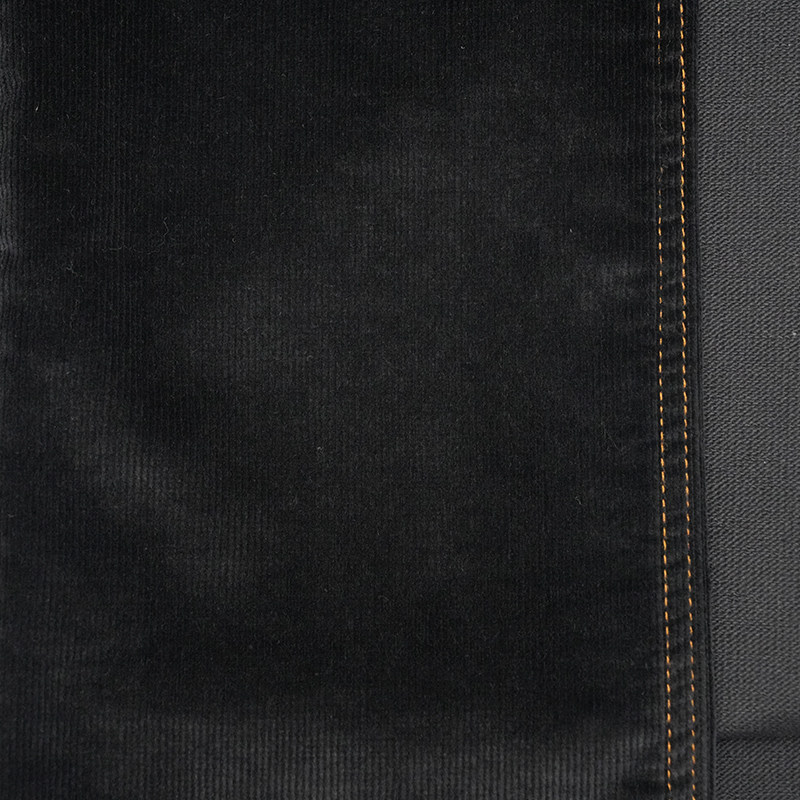
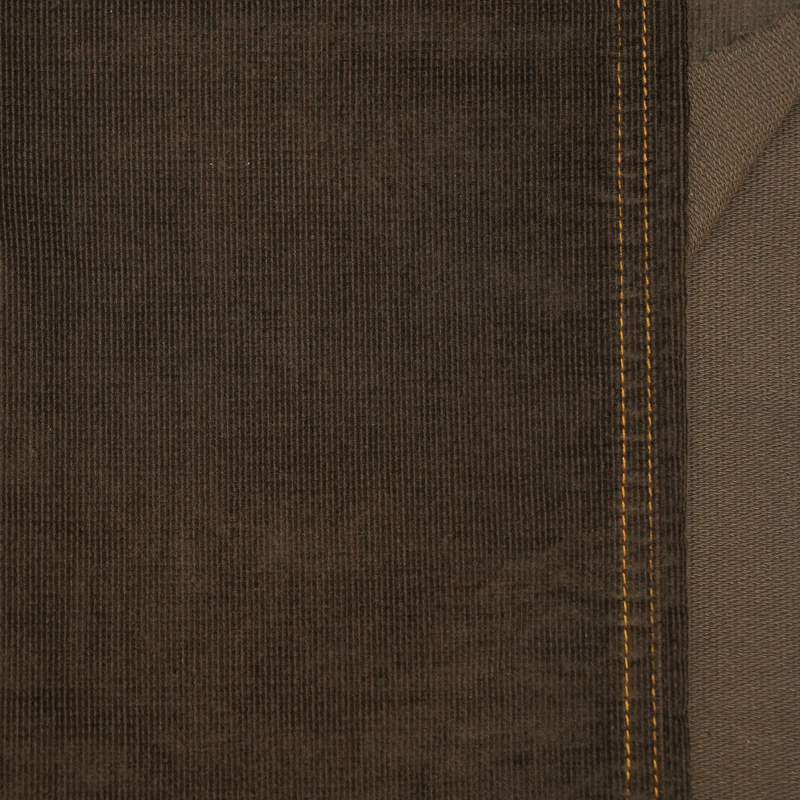
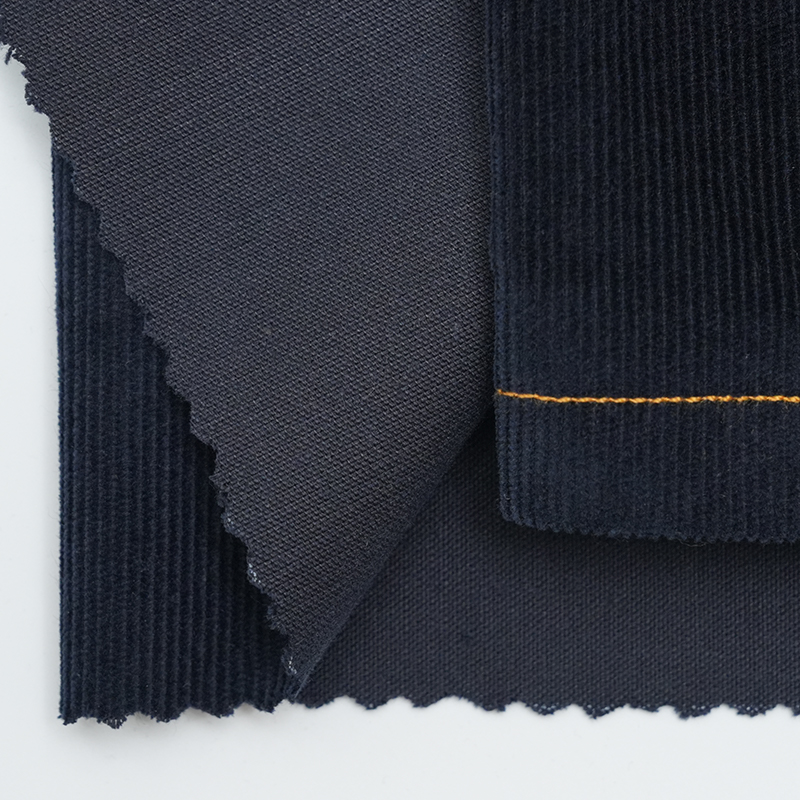 GS1155 14-Wale GRS Cotton Corduroy Dyed Fabric14-wale recycled cotton corduroy with stretch; compare wale count, pile direction, and wash performance for pile fabric programs.View Product →
Matching Weave to End Use
Match the weave to the load the fabric will carry, not to the look of the sample card.
Apparel
Twill and corduroy carry structure and texture, poplin keeps shirting crisp, sateen serves lining. Specify skew tolerance and shrinkage before cutting.
Home textile
Bedding and curtains favor sateen and cellulosic blends for hand and drape, but light fastness and shrinkage control matter more here than in apparel.
Technical and outdoor
Plain and twill bases accept coating, calendering or lamination. Ask for abrasion cycles and flex resistance on the finished cloth.
Cellulosic blends behave differently on identical loom settings. A cotton-tencel twill at the same picks per inch comes off the loom with a softer hand and slightly higher residual shrinkage than a pure cotton twill, so home textile programs should specify the blend ratio and the weave, not just the fiber name. Woven and dyed as a single lot, a 65/35 cotton-tencel twill is far easier to control than a mix of supplier lots.
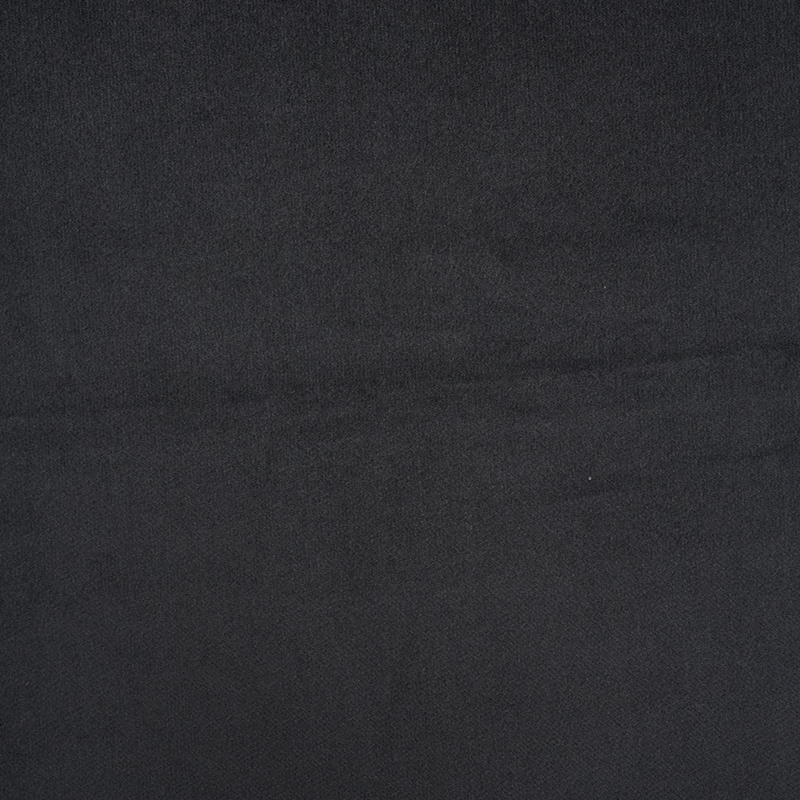
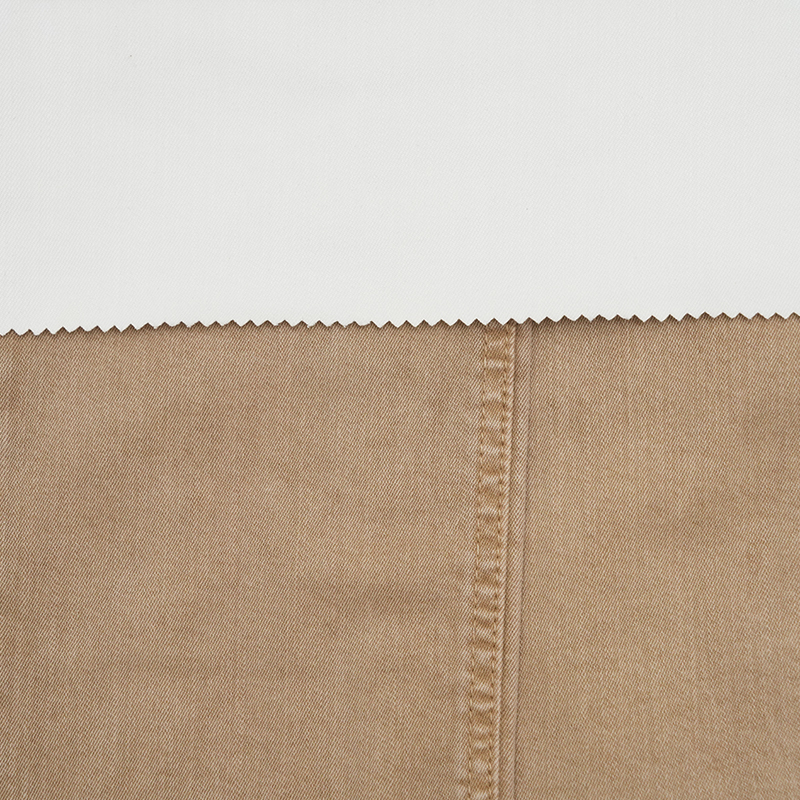 GS17065B Cotton-Tencel Twill Dyed ClothCotton-Tencel twill with spandex and polyester; specify blend ratio and weave for consistent finishing and inspection.View Product →
Finishing and Quality Checks That Decide the Shipment
A woven fabric passes or fails on the finishing line and at the inspection frame, not at the loom.
- Greige inspection. Verify EPI, PPI, width and warp streaks against the approved construction; knots and slubs are graded here, not after dyeing.
- Preparation for dyeing. PFD cloth must wet out evenly, because uneven absorbency later shows as streaks that no re-dye hides.
- Dyeing and shade matching. Match the production lot to the standard under the buyer's light source; metamerism is often a weave-density issue, not a dye issue.
- Coating and finishing. Coating sits on the weave, so a skipped end or slack pick becomes a coating defect. Record coating weight in grams per square meter.
- Final four-point inspection. Defects are scored per 100 square yards; anything above the agreed points is a reject lot, however good the hand feels.
Negotiate the numbers, not the adjectives. Width, weight per square meter, EPI and PPI, shrinkage after one home wash, colorfastness grade and points per 100 square yards belong in the contract. Premium quality belongs in the brochure.
Coating is where a technical fabric earns its price. A cotton twill base coated on one side gains water repellency, abrasion resistance and shape retention while keeping a woven hand that laminates struggle to copy, which is why coated woven cloth remains the default for workwear, outdoor shells and industrial covers.
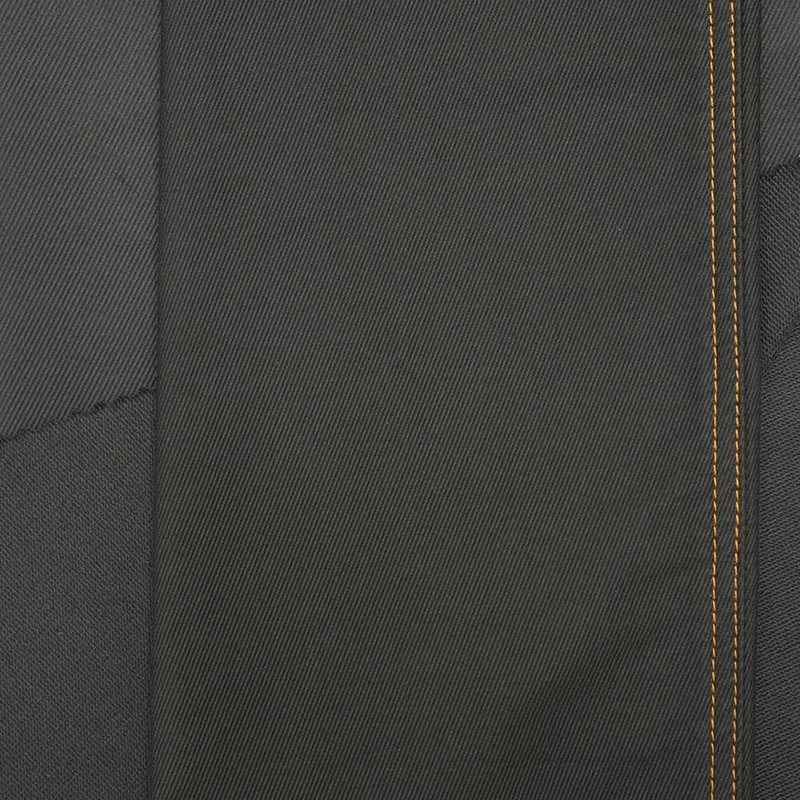
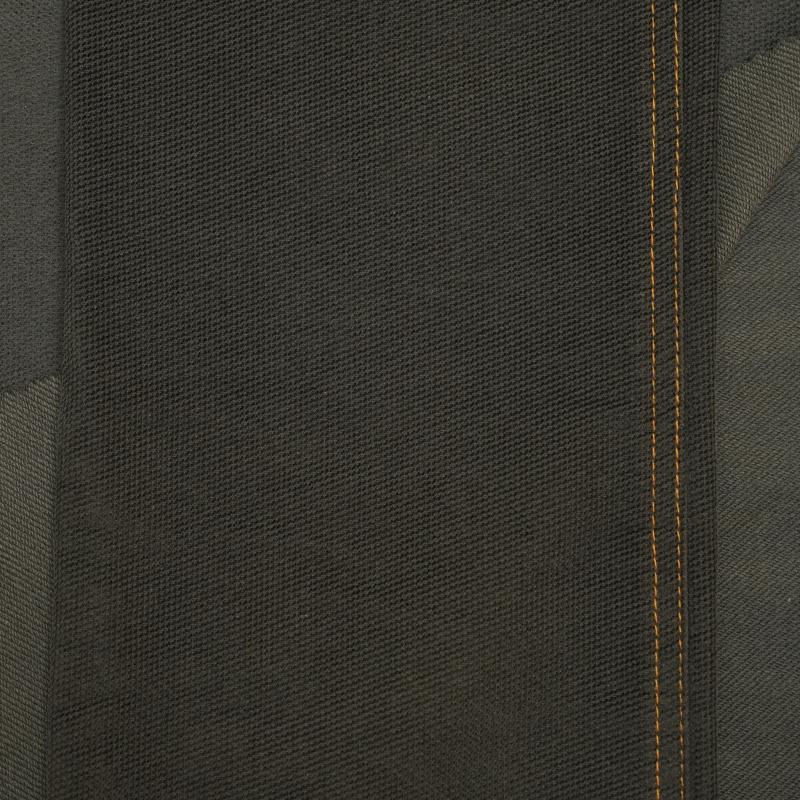
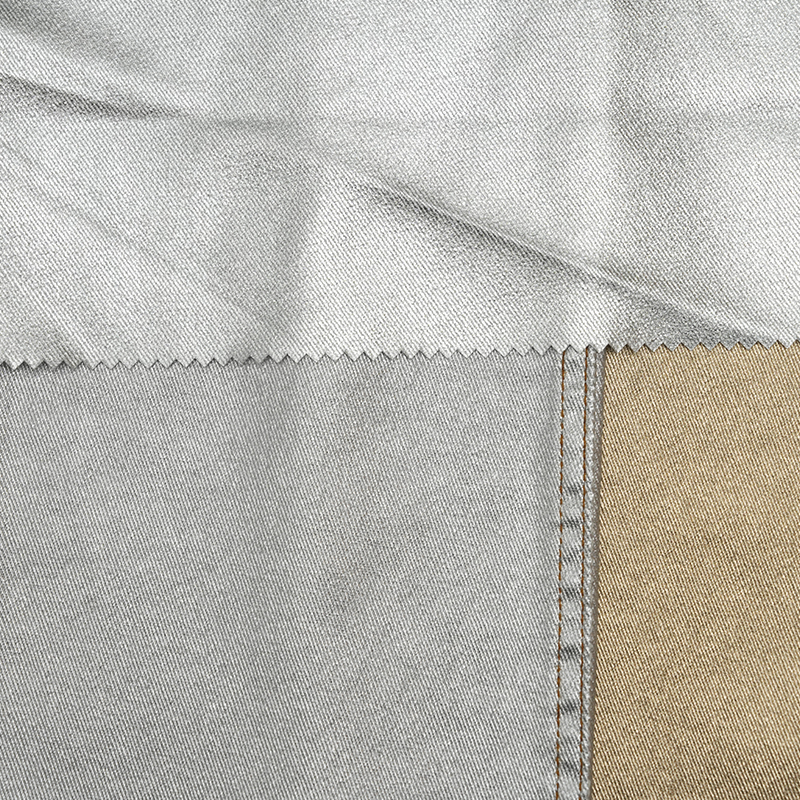 GS3170 Cotton Twill Dyed Coating ClothCotton twill coating with spandex for workwear and uniforms; check weave repeat and coated woven performance after repeated washing.View Product →
FAQ: Textile Weaving Questions Buyers Ask
Weave structure is the cheapest quality decision in a fabric program, because it is made before a single kilogram of dye is bought.
What is textile weaving in simple terms?
Textile weaving is the interlacing of lengthwise warp yarns and crosswise weft yarns at right angles on a loom. The order in which they cross forms the weave repeat, and that repeat decides how the finished fabric behaves.
Which weave structure is the strongest?
Plain weave gives the highest cover factor and the most stable structure for a given yarn count, while twill usually wins on tear and abrasion resistance because its floats spread stress across more yarns. There is no single strongest weave, only the weave that matches the load, the finish and the care label.
Does weave structure affect how fabric takes dye?
Yes. Tighter constructions with high cover factor resist penetration and need longer preparation and dyeing cycles for the same depth, while loose structures absorb faster but vary more between lots.
How much fabric should I test before a bulk order?
Enough for a full wash and wear trial, typically three to five meters per color cut from the production construction rather than a hand sample. Test shrinkage after one home wash, colorfastness, and surface behavior after abrasion on pile and coated qualities.
Related Products

-

- Address: No.8 Longxuan Road, Lijia Town, Wujin District, Changzhou, China
- Phone: +86-13301509168
- Email: [email protected]
- BE THE FIRST TO KNOW
- For exclusive deals and latest offers, sign up by entering your email address below.
- QUICK LINKS
RELATED CERTIFICATIONS: