English
 中文简体
中文简体 Tiếng Việt
Production of various high-end fabrics reaches 7 million meters annually, including a wide range of fashionable new products and exquisite items, with a broad coverage of color patterns.

Textile Weaving Explained: Weave Types, Fabric Quality, and Sourcing Guide
2026-08-21
Content
A fabric can pass every lab test and still fail in production. That is the reality buyers face when the weave structure does not match the intended end use. In textile weaving, two sets of yarns are interlaced at right angles: the warp, which runs the full length of the fabric, and the weft, which crosses it. The pattern of that interlacing, not the fiber content alone, decides how the finished dyed fabric behaves on the cutting table, in the sewing line, and after repeated washing. Consider a stretch twill that looks faultless in the showroom but distorts during fusing, or a jacquard corduroy whose pattern shifts after finishing. Both problems trace back to the weaving stage. For anyone sourcing woven dyed textiles, understanding the loom is the difference between a smooth order and a costly rejection.
What Textile Weaving Actually Determines
Woven structures are inherently stable. Because warp and weft yarns lock over and under one another, the cloth resists elongation along its length and holds a crisp shape in tailored garments. Compared with knitted fabrics, which are built from loops and can stretch freely, woven cloth offers better dimensional control, which is why it remains the preferred base for shirts, trousers, jackets, upholstery, and industrial textiles. The weave structure governs four practical properties in every order: dimensional stability, surface texture, drape, and absorbency. A tightly woven twill keeps its silhouette; a loose plain weave breathes easily but may shrink more. In dyed fabrics, the weave also controls how evenly dye liquor reaches the yarn bundle, how well the color develops on the face, and how much dyestuff is needed to reach a specific shade. In short, weaving comes first, and the dyeing result follows.
Core Weave Structures Every Buyer Should Recognize
Four families of weave structures cover most commercial woven fabrics. Each has a distinct appearance, a distinct hand, and a distinct set of trade-offs, so the choice should follow the end use rather than the fashion of the moment. The table below summarizes the structure, performance, and typical applications of each family.
| Weave Structure | Interlacing Pattern | Key Performance Traits | Typical End Uses |
|---|---|---|---|
| Plain weave | Warp and weft yarns alternate over and under each other in every row | Flat, firm, and balanced; prints well; can wrinkle more easily than twill | Shirting, poplin, canvas, lightweight outerwear |
| Twill weave | Each weft yarn floats over two or more warp yarns, creating diagonal lines | Dense, durable, and drapes well; hides soiling and wrinkles | Cavalry twill, stretch twill bottoms, workwear, uniforms |
| Satin / sateen | Long floats across the face create a smooth, lustrous surface | Smooth hand and visible sheen; higher snagging risk | Dresses, blouses, lining |
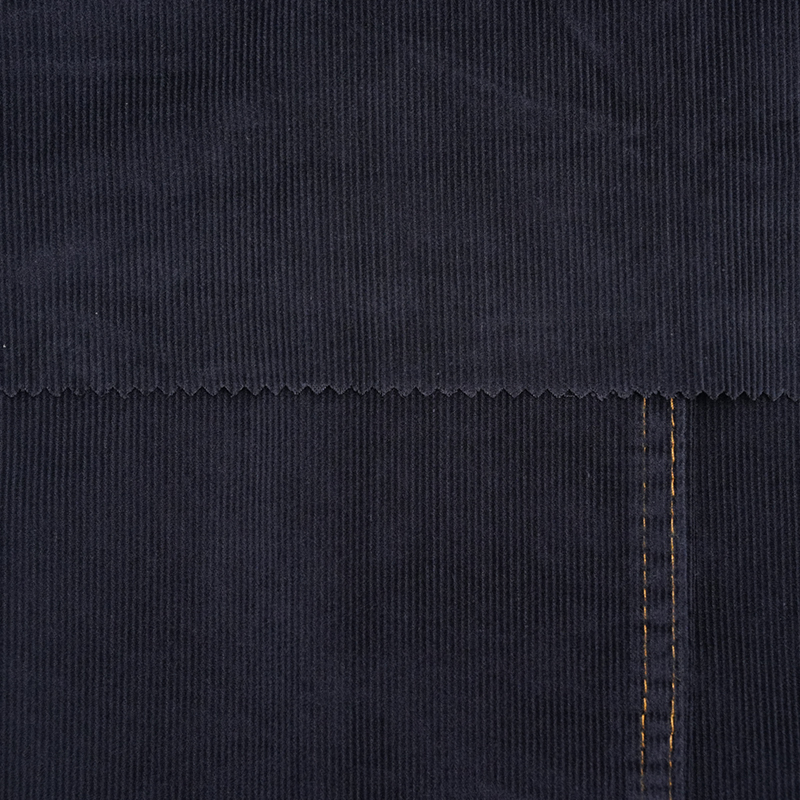
| Dobby / jacquard | Small geometric patterns or large motifs woven directly into the cloth | Textural interest and premium appearance; requires controlled finishing to keep pattern clarity | Fashion outerwear, jacquard corduroy, upholstery |
Plain weaves are usually the most economical to produce because the interlacing is simple and fast. Twill weaves allow higher warp density, which improves cover and durability at the same weight. Satin and sateen give a smooth surface with high luster, but the long floats create a higher snagging risk. Dobby and jacquard weaves require more complex shedding mechanisms, which raises weaving cost, yet they deliver pattern and texture that cannot be achieved by printing alone. For a deeper look at how these constructions are produced, see our guide to woven fabric types and manufacturing processes. The same weave can behave differently when yarn count, twist, or finishing changes, which is why the weave type alone should never be the only specification on a datasheet.
How Weave Structure Affects Dyeing and Finishing Quality
Dyed fabric quality depends on how evenly the structure accepts dye. A dense satin weave, with long floats on the face, can appear uneven if the dye liquor cannot penetrate consistently; a twill opens more pathways for the dye bath to reach every yarn. For garment dyeing, the base fabric is usually woven and prepared without finishing chemicals so that the dye absorbs uniformly. That is where PFD cloth becomes relevant, and knowing how PFD fabric improves dye absorption helps buyers decide between ordering prepared-for-dyeing cloth and sourcing finished dyed fabric. A PFD, or prepared-for-dyeing, fabric is scoured and sometimes bleached but left without optical brighteners or softeners, so the dyeing process controls the final shade from start to finish. For customers who want maximum flexibility in garment dyeing, this base is often the safest choice.
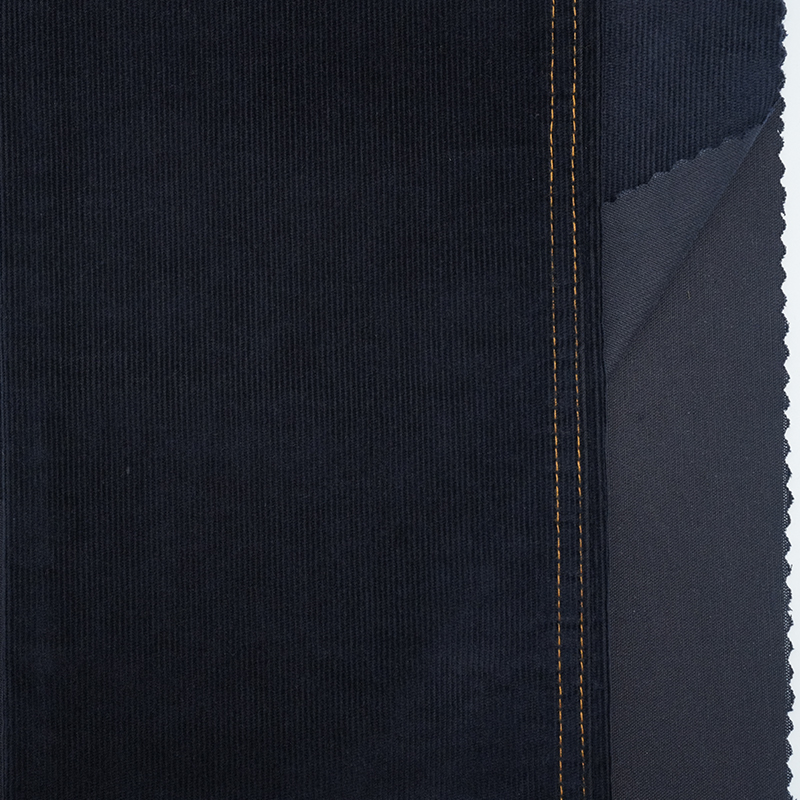
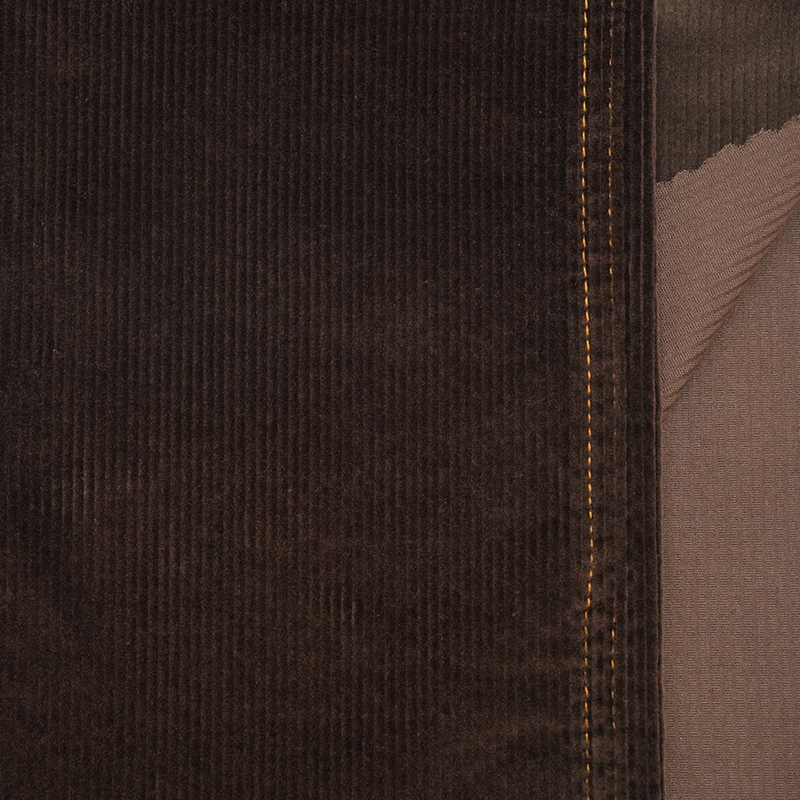
Corduroy is a helpful example because its pile is woven into the structure rather than applied as a coating. The wales trap dye in both the pile and the base fabric, so the dyeing process must color both surfaces without flattening the ribs. Stretch corduroy adds another constraint: the elastic yarn must survive dyeing heat without losing recovery. A fabric such as GS4653 11W stretch cotton corduroy is engineered for exactly this combination of pile depth, dye take-up, and stretch retention. When the weave and the dyeing route are planned together, the supplier can deliver a stable, repeatable shade from one lot to the next.
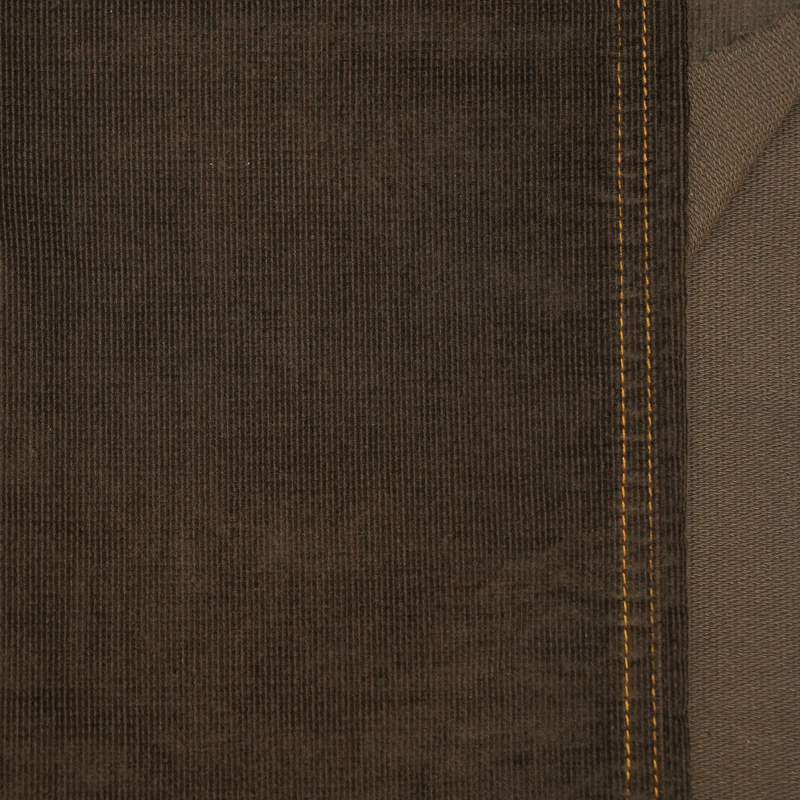
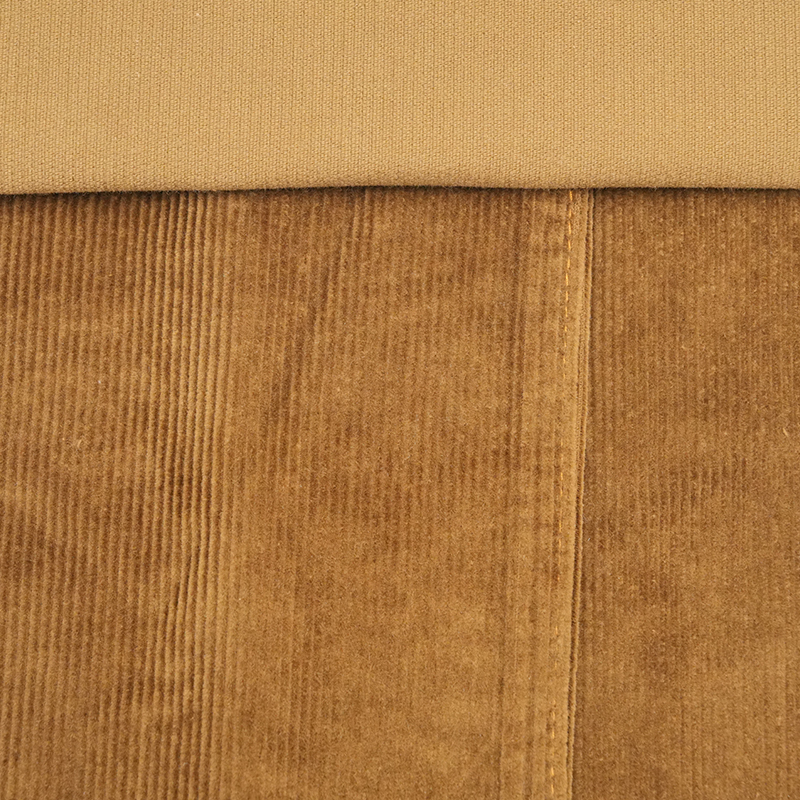 Custom GS4653 11W Stretch Cotton Corduroy Dyed Fabric Suppliers, Company - ChangChangzhou Huiya Textile is China custom GS4653 11W Stretch Cotton Corduroy Dyed Fabric suppliers and company, details: Discover exception...View Product →
Practical Checks When You Receive Woven Dyed Fabric
A good weaving setup does not guarantee a good delivery, but a weak one guarantees problems. Before cutting, confirm the fabric against these five points.
- Thread count and weight. Check ends per inch, picks per inch, and grams per square meter against the agreed specification. In a woven fabric, both directions matter; a change in pick density alters cover, hand, and shrinkage.
- Dimensional stability. Steam or wash a sample to measure warp and weft shrinkage separately. Twill and satin can move differently in each direction, and any result above 3 to 5 percent is usually a warning sign for garment manufacturing.
- Skew and bowing. Finishing tension can distort the weft in twills and jacquards, making the pattern run diagonally. Lay the fabric flat and check that the weft is square to the selvedge before approval.
- Colorfastness. Test wash fastness, crocking, and light fastness on the actual construction. Dark corduroy can show crocking on the pile, and elastane blends fade faster if the dyeing route was not adjusted for them.
- Surface condition. Look for broken ends, slubs, and mispicks. In jacquard weaves, a single skipped pick changes the motif and becomes visible only after dyeing.
These checks take only minutes per roll, yet they catch most defects that originate at the weaving stage. If you find skew in a twill or uneven dye take-up in a satin, the problem is usually not the colorist; it is the construction. A competent supplier should provide a mill test report and should be ready to discuss yarn counts, pick density, and finishing tension before you commit to a full order.
Matching the Weave to the End Use
This is the point where textile weaving knowledge turns into a sourcing advantage. For trousers, workwear, and uniforms, a stretch twill in a cotton-modal blend delivers recovery and comfort without the stiffness of a rigid canvas. The twill structure carries the stretch yarn cleanly, so the garment moves with the body and returns to shape after each wear. Our super stretch cotton-modal twill is a typical example of this combination. For shirts, blouses, and light jackets, a cotton-tencel canvas offers a smooth surface, good breathability, and a stable construction that holds up in laundering. For home textiles, a heavier canvas or cavalry twill gives upholstery the abrasion resistance it needs. For decorative applications, jacquard and dobby weaves add texture that cannot be replicated by printing; jacquard corduroy shows how a raised pattern and a deep pile can coexist in one cloth. Coated fabrics follow the same logic: a twill or canvas base gives the coating more surface area to grip, which is why industrial and outdoor textiles are rarely made on a loose plain weave.
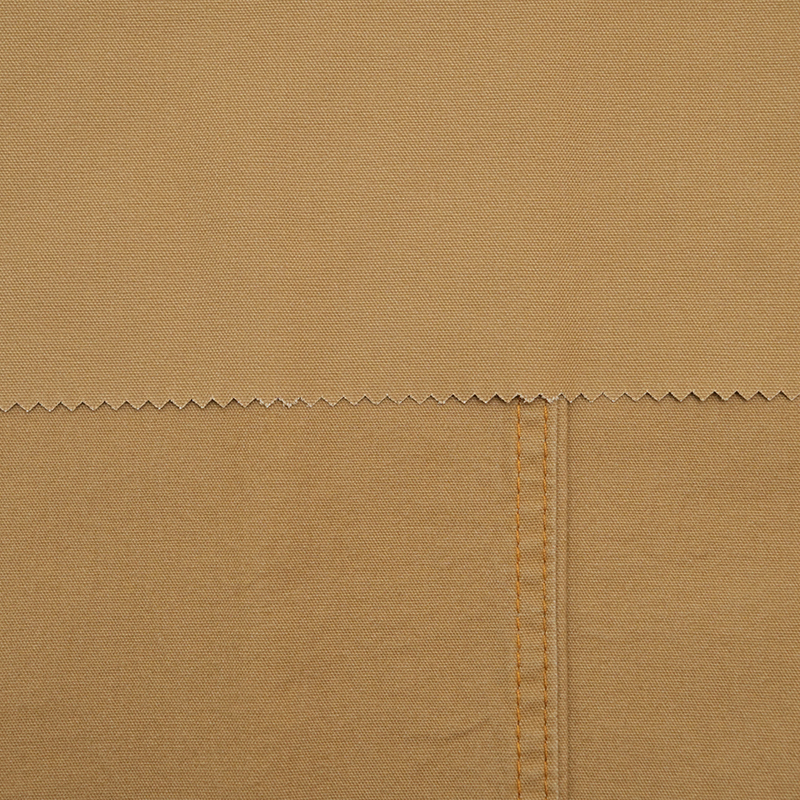 Custom GS4568 Cotton-Tencel Ground Dyed Canvas Cloth Suppliers, Company - ChangzChangzhou Huiya Textile is China custom GS4568 Cotton-Tencel Ground Dyed Canvas Cloth suppliers and company, details: Cotton-Tencel Groun...View Product →
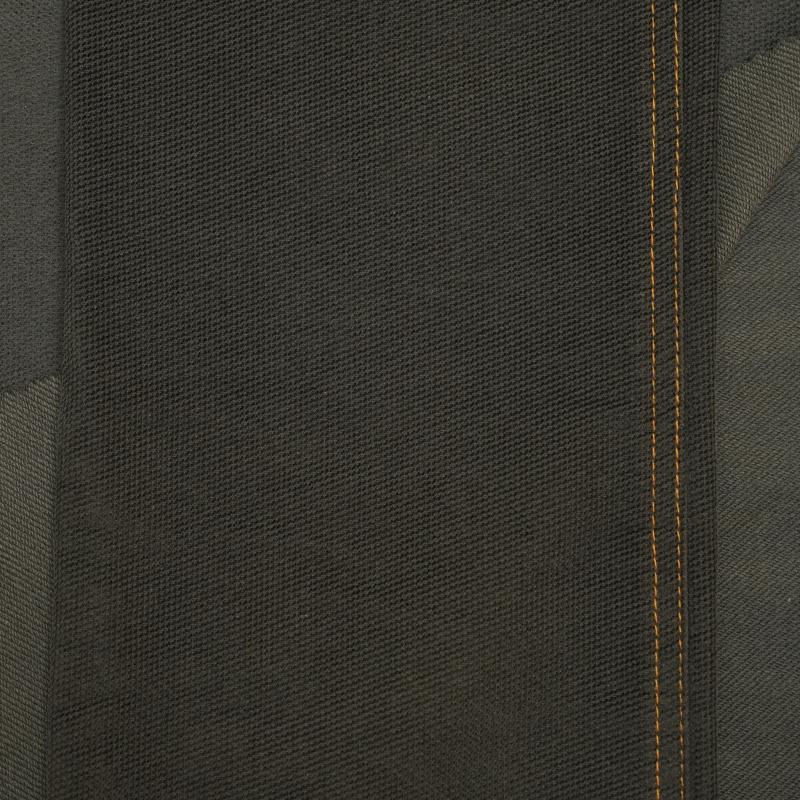
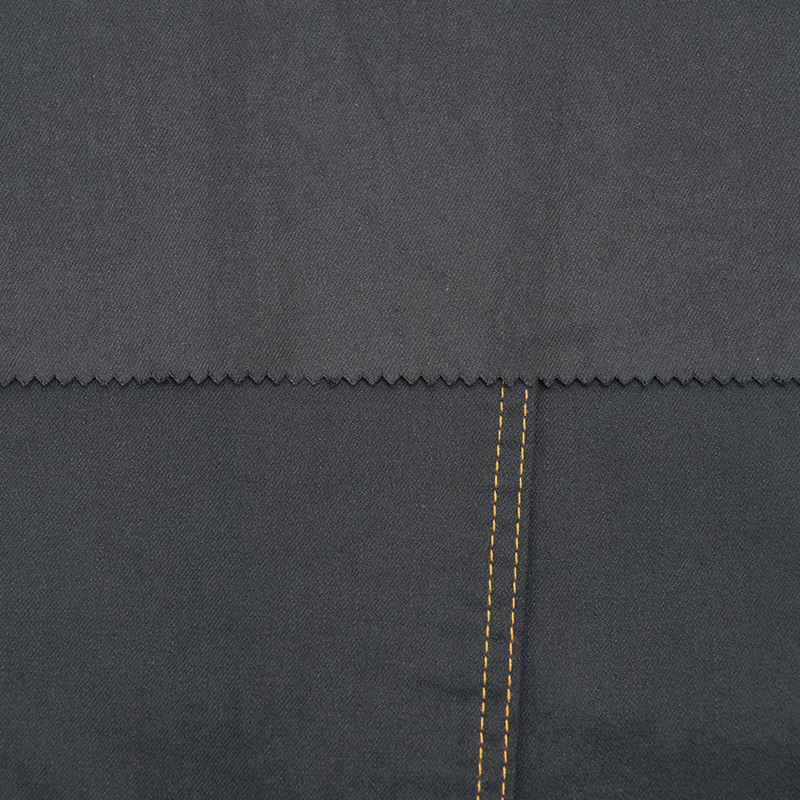 Custom GS1742D Super Stretch Cotton-Modal Stretch Twill Dyed Cloth Suppliers, CoChangzhou Huiya Textile is China custom GS1742D Super Stretch Cotton-Modal Stretch Twill Dyed Cloth suppliers and company, details: Super...View Product →
The weave structure is the backbone of every dyed fabric order. It decides how the cloth is dyed, how it cuts, how it sews, and how long the final product lasts. Buyers who check the construction as carefully as the color avoid the most expensive class of textile defects: the ones that appear only after the fabric has been cut and sewn. When weaving, dyeing, and finishing are planned as one system, the customer receives a fabric that performs exactly as specified, and that is the goal of any serious textile mill.
Related Products

-

- Address: No.8 Longxuan Road, Lijia Town, Wujin District, Changzhou, China
- Phone: +86-13301509168
- Email: [email protected]
- BE THE FIRST TO KNOW
- For exclusive deals and latest offers, sign up by entering your email address below.
- QUICK LINKS
RELATED CERTIFICATIONS: