English
 中文简体
中文简体 Tiếng Việt
Production of various high-end fabrics reaches 7 million meters annually, including a wide range of fashionable new products and exquisite items, with a broad coverage of color patterns.

Modal-Cotton Dyed Cloth: Properties, Dyeing Behavior, and Buying Guide
2026-08-14
Content
- 1 What Modal-Cotton Dyed Cloth Is
- 2 Dyeing Behavior and Color Performance
- 3 Hand Feel, Durability, and Finished Garment Performance
- 4 Pure Cotton vs. Modal-Cotton Dyed Cloth: A Quick Comparison
- 5 What Buyers Should Verify Before Ordering
- 6 Working With a Supplier That Controls the Full Process
- 7 The Bottom Line
Every season, a buyer asks why a modal-cotton dyed cloth lab dip comes out richer than the same shade on pure cotton. The reason is not magic; it is fiber chemistry. Modal, a regenerated cellulose fiber, absorbs dye in a more uniform way than cotton, so well-prepared modal-cotton blends produce deep, level shades with a soft hand. That single difference changes how you should evaluate this fabric, what tests you need, and which suppliers can actually deliver consistent color.
What Modal-Cotton Dyed Cloth Is
Modal is made from beechwood pulp that is dissolved and regenerated into filaments. When spun into yarn and woven with cotton, it brings three things to the fabric: smoothness, strength, and dye affinity. In practice, woven modal-cotton dyed cloth is often constructed in 50/50, 60/40, or 70/30 cotton-to-modal ratios. The higher the modal content, the softer and more fluid the fabric feels; the higher the cotton content, the more structure and surface interest you retain.
Because both fibers are cellulosic, they can be dyed in the same reactive dye bath. But they are not identical in how they react. Modal’s fiber structure is more regular than cotton’s, which gives dye a more even path. That is why modal-rich blends often look smoother and brighter in solid shades than cotton-only cloth. The construction range is also wide: twill, poplin, canvas, slub weaves, and even double corduroy.
Usually the modal is blended with cotton at the spinning stage, so every yarn contains both fibers. That gives a uniform appearance and avoids streaks caused by alternating modal and cotton yarns. A good place to see the range is the modal-cotton dyed cloth collection at a specialized woven mill, where the process runs from yarn to finished fabric.
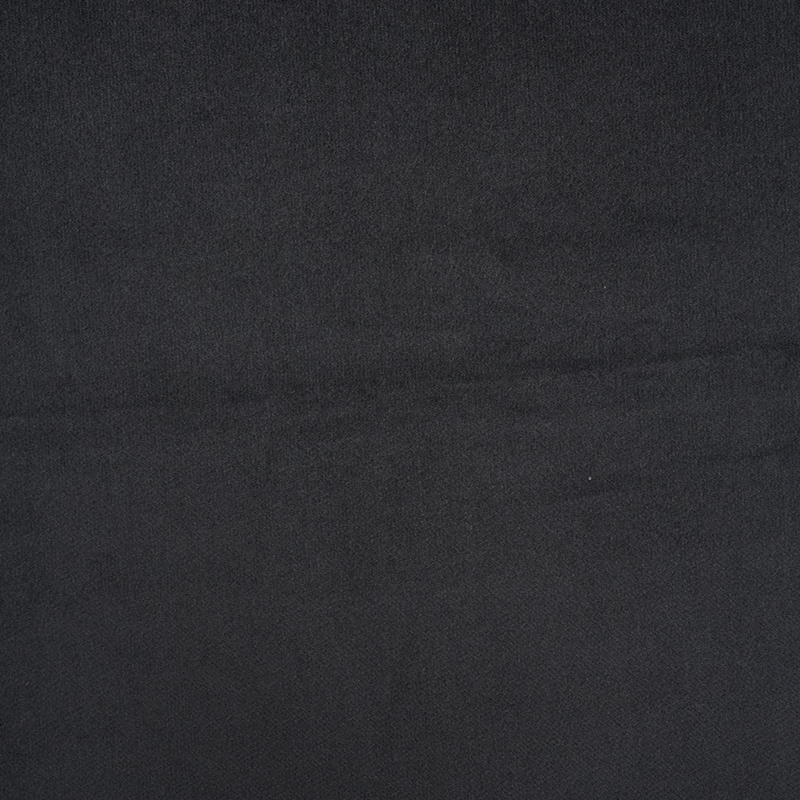
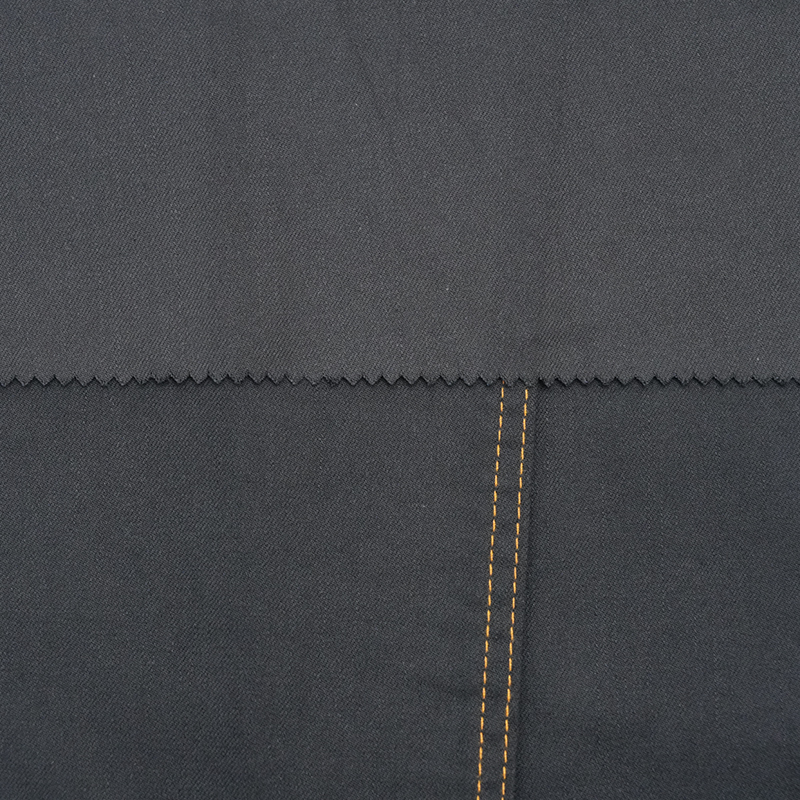 Modal-cotton Dyed Cloth Suppliers, Wholesale FactoryChangzhou Huiya Textile Co., Ltd. is China Modal-cotton Dyed Cloth suppliers and Modal-cotton Dyed Cloth factory, offer wholesale Modal-c...View Product →
Dyeing Behavior and Color Performance
Reactive dyes are the default for cellulosic blends because they bond with the hydroxyl groups in both cotton and modal. They give bright shades, but the result depends on preparation. If the greige fabric is not fully scoured, or if the cotton retains wax or chaff, the dye will appear blotchy. A mill that controls scouring, bleaching, and pH will always produce more reliable lab dips and bulk batches.
One common mistake is applying a standard cotton dye formula to a modal-cotton blend. Modal has a different dye uptake rate, so the final color can come out darker or redder than expected. For this reason, the lab dip should always be made on the exact blend ratio and construction that will be used in bulk production. Dyeing temperature also matters: too low gives poor fixation, while too high can damage the modal component and create a harsher hand.
Color fastness needs to be verified, not assumed. Ask for wash fastness, light fastness, and crocking fastness on the actual dyed cloth. Modal-cotton can perform well in all three when the right dye class and concentration are used, but heavy shades and stretch versions should be tested under the same conditions as the final garment.
Hand Feel, Durability, and Finished Garment Performance
Finished garments get three practical benefits from modal-cotton dyed cloth. The first is softness: modal makes the surface smoother and less abrasive against skin. The second is drape: modal adds flexibility, so the fabric follows the body without clinging or standing away. The third is wet strength: modal has higher wet stability than many pure cotton fabrics, which helps the cloth survive repeated laundering without losing its shape.
Breathability stays high because both fibers are cellulosic and absorb moisture well. Modal has a higher moisture regain than cotton, which helps the fabric feel less clammy in warm weather. That makes it a strong choice for woven shirts, dresses, skirts, lightweight jackets, and casual bottoms. For fitted garments, a small amount of elastane is often added, and the dyeing route must then accommodate the spandex while keeping the cotton and modal color consistent.
A super-stretch cotton-modal twill dyed cloth is a practical example of this: it holds color well while giving the recovery needed in tailored shirts and close-fitting trousers.
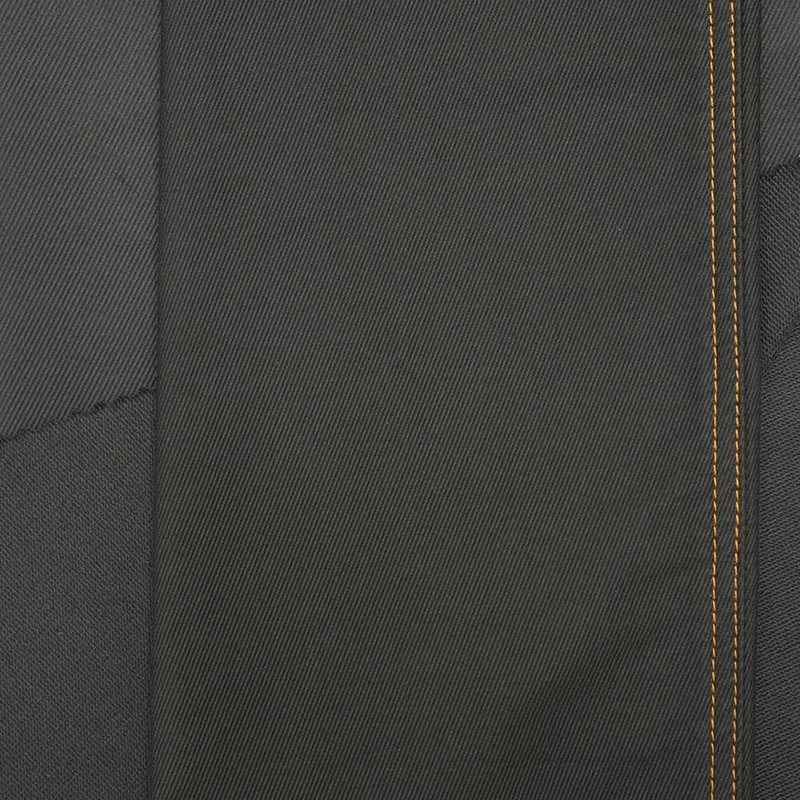
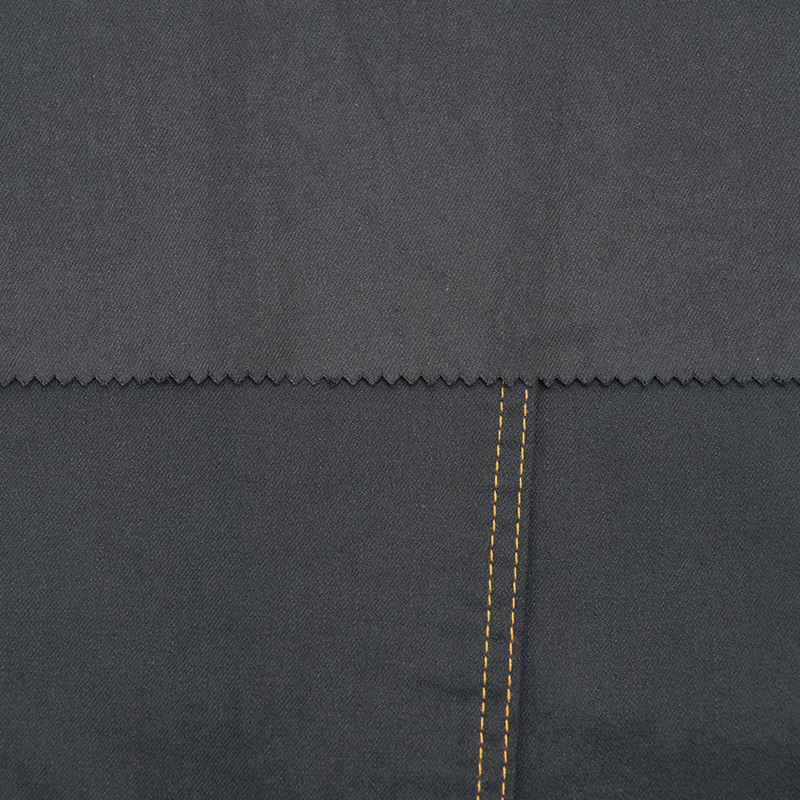 Custom GS1742D Super Stretch Cotton-Modal Stretch Twill Dyed Cloth Suppliers, CoChangzhou Huiya Textile is China custom GS1742D Super Stretch Cotton-Modal Stretch Twill Dyed Cloth suppliers and company, details: Super...View Product →
Where Modal-Cotton Dyed Cloth Works Best
- Men’s and women’s woven shirts
- Dresses, blouses, and gathered skirts
- Lightweight jackets and outerwear linings
- Home textiles such as bedding, curtains, and soft covers
- Uniform programs that need a stable hand with some drape
Pure Cotton vs. Modal-Cotton Dyed Cloth: A Quick Comparison
Buyers often ask whether they can replace a pure cotton dyed fabric with a modal-cotton one and keep the same garment pattern. The short answer: not without adjusting expectations. The two fabrics feel, dye, and wear differently.
| Property | Pure Cotton Dyed Cloth | Modal-Cotton Dyed Cloth |
|---|---|---|
| Hand feel | Crisp, familiar cotton texture | Softer, smoother surface with better drape |
| Color depth | Good, but can be less level in heavy shades | Often deeper and more uniform |
| Moisture behavior | Comfortable; lower moisture regain | Higher moisture regain; cooler in humid conditions |
| Wrinkle recovery | Wrinkles easily without finishing | Generally better recovery, but not wrinkle-free |
| Dimensional stability | Requires controlled finishing | Requires controlled finishing; stable if pre-shrunk |
| Pilling risk | Usually low for good quality cotton | Depends on modal quality, yarn twist, and weave density |
What Buyers Should Verify Before Ordering
Because the difference between a great and a disappointing modal-cotton dyed cloth is often hidden in the details, check these five points before approving a bulk order.
- Stated fiber ratio. A 50/50 and a 70/30 blend dye and perform differently. Put the exact ratio and tolerance into the specification.
- Color fastness reports. Ask for wash, light, and crocking fastness grades, and compare them with your end-use standard.
- Shrinkage data. Check both length and width after at least three washing cycles. The fabric is stable only when the mill controls finishing tension.
- Pilling rating. For next-to-skin garments, confirm the result on the actual dyed construction before approving bulk production.
- Physical swatch. Digital photos hide hand feel and drape. Ask for a swatch of the exact dyed cloth, not just the greige or undyed sample.
Working With a Supplier That Controls the Full Process
Modal-cotton dyed cloth sits at the intersection of fiber selection, yarn quality, weaving, and dyeing. That makes the supplier as important as the recipe. A vertically integrated mill can keep the same raw material, yarn count, and machine settings from pilot package to bulk order, which reduces final color variation. At Changzhou Huiya Textile Co., Ltd., spinning, weaving, dyeing, and finishing happen in one facility, giving us direct control over the variables that cause dye streaks, shrinkage, and inconsistent hand feel.
For a deeper discussion of fiber ratios and dyeing behavior, review what buyers should check before specifying a modal-cotton blend. When the blend ratio, dye formula, and finishing route are set correctly, the fabric performs like a premium apparel material rather than a cotton substitute.
The Bottom Line
Modal-cotton dyed cloth is a workhorse fabric for apparel and soft home textiles, but only when it is specified with precision. It is not simply cotton with a softener. Treat it as a technical material: confirm the fiber ratio, review color fastness and shrinkage data, and work with a mill that controls the process from yarn to finished roll.
Related Products


-

- Address: No.8 Longxuan Road, Lijia Town, Wujin District, Changzhou, China
- Phone: +86-13301509168
- Email: [email protected]
- BE THE FIRST TO KNOW
- For exclusive deals and latest offers, sign up by entering your email address below.
- QUICK LINKS
RELATED CERTIFICATIONS: