English
 中文简体
中文简体 Tiếng Việt
Production of various high-end fabrics reaches 7 million meters annually, including a wide range of fashionable new products and exquisite items, with a broad coverage of color patterns.

Modal-Cotton Dyed Cloth: Fiber Ratios, Dyeing Behavior, and What Buyers Need to Know
2026-06-12
Content
Fabric sourcing decisions come down to specifics — fiber ratios, GSM, weave construction, end-use performance. Modal-cotton dyed cloth sits at the intersection of softness and durability, and for buyers who haven't worked with it closely, this guide covers what actually matters: how the blend behaves, where it performs best, and what to check before placing an order.
What Makes Modal-Cotton a Useful Blend
Modal is a semi-synthetic cellulosic fiber derived from beechwood pulp. On its own, it's exceptionally soft and absorbs moisture roughly 50% more efficiently than standard cotton. The trade-off is that pure modal can feel too fluid and lacks the structural body that most woven apparel requires.
Blending modal with cotton solves this. Cotton adds body, dimensional stability, and familiar hand-feel. The result is a fabric that drapes well, stays soft after repeated washing, and holds dye with noticeably better color depth than 100% cotton. For dyed cloth specifically, that last point is significant — the modal component allows dye to penetrate evenly, producing richer, longer-lasting hues.
Fiber Ratios and What They Mean for Performance
Not all modal-cotton blends are created equal. The ratio directly shapes the fabric's character. A higher cotton percentage (say, 80/20) gives you more structure and wash durability, while a higher modal share (60/40 or more) shifts the hand toward a silkier, more fluid drape.
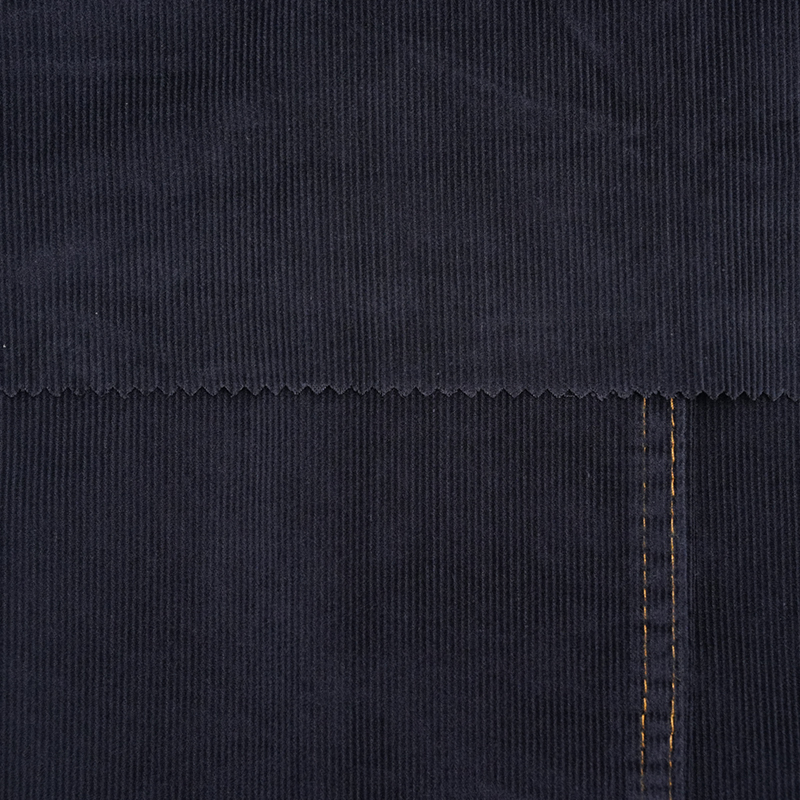
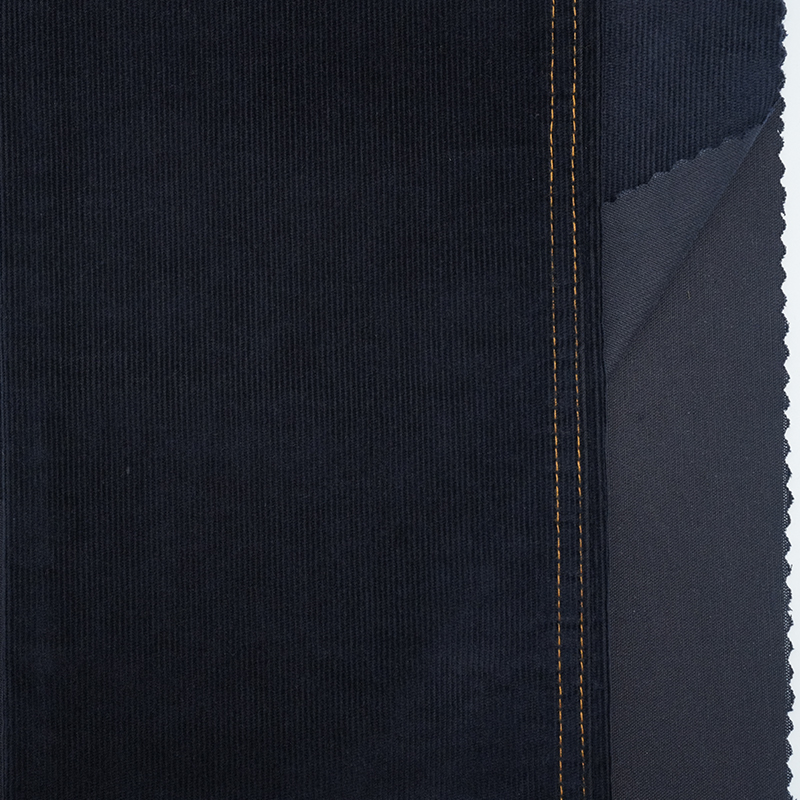
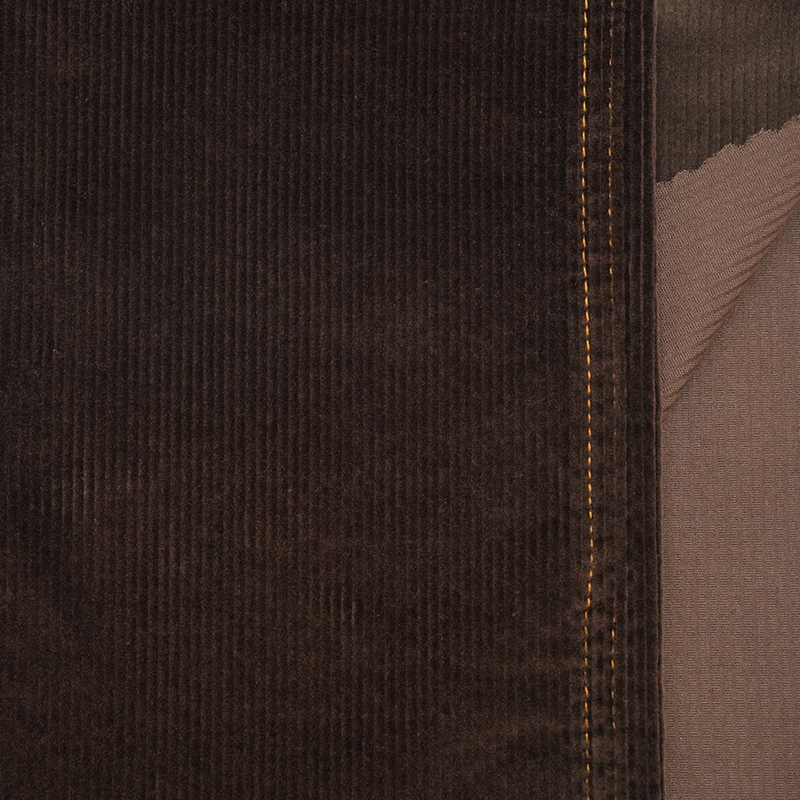
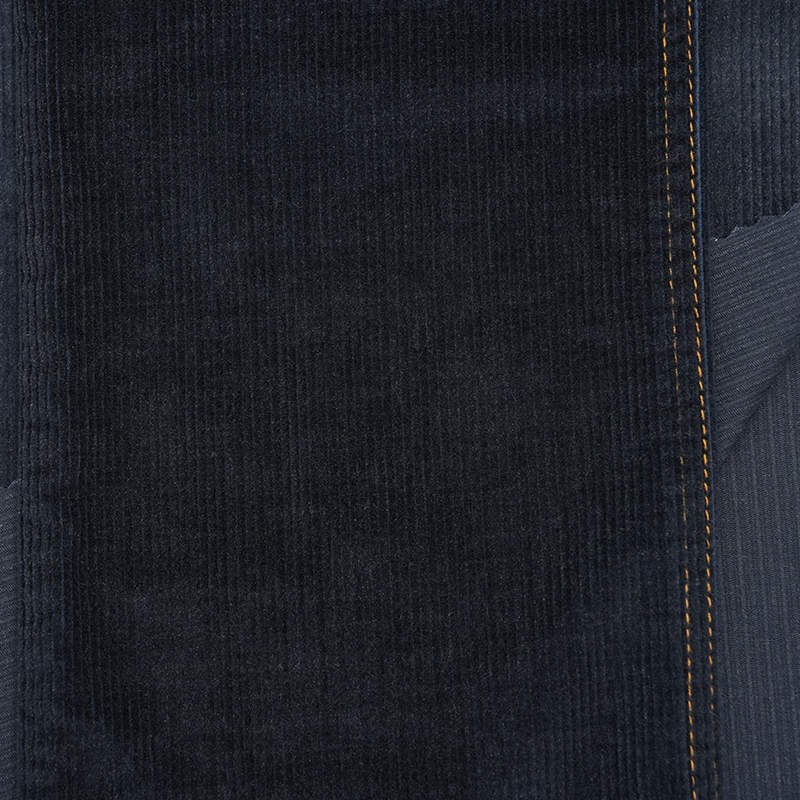
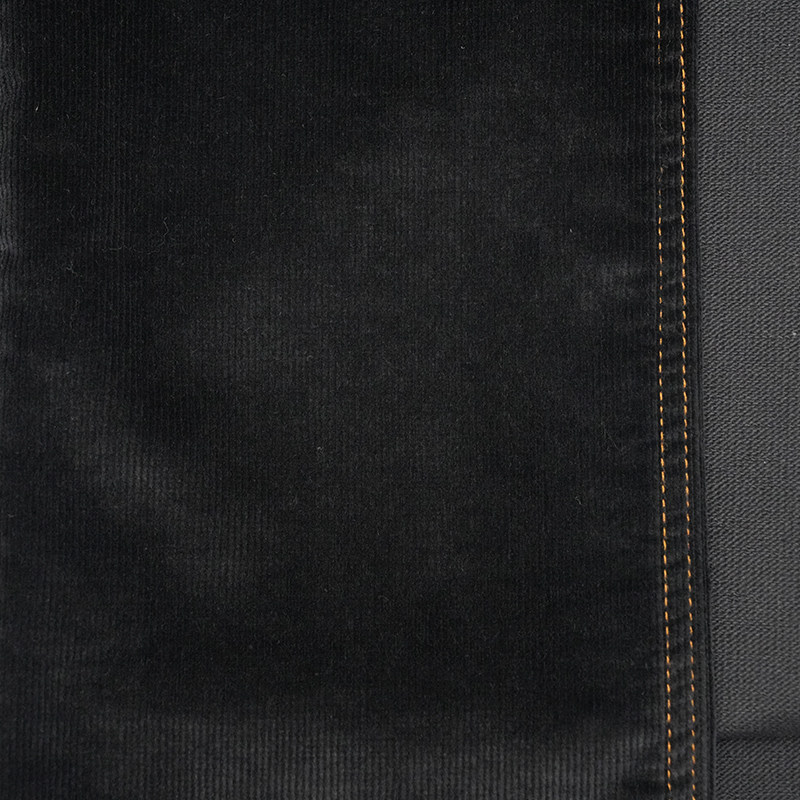
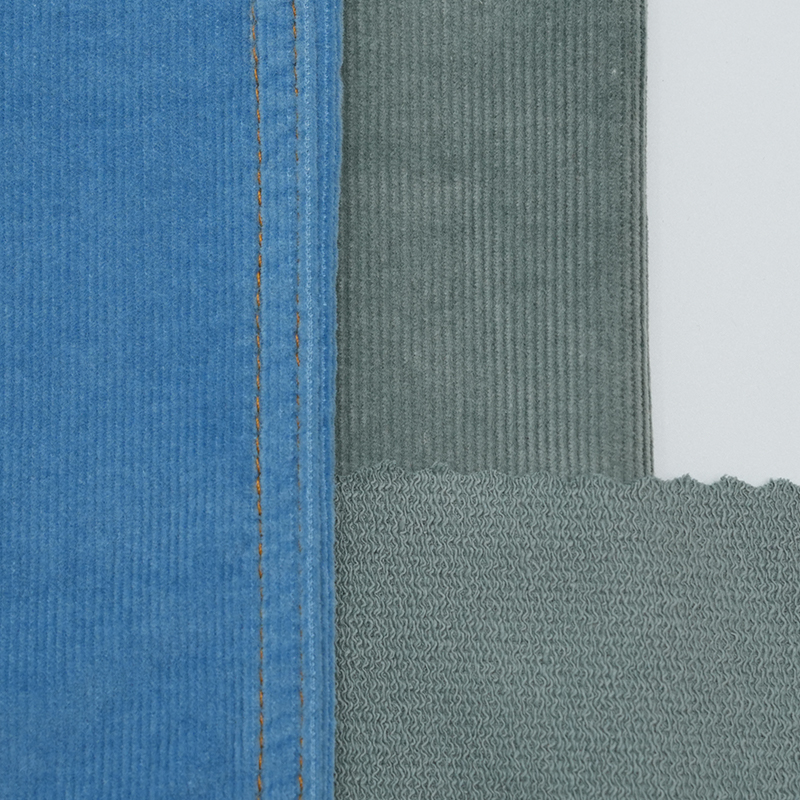
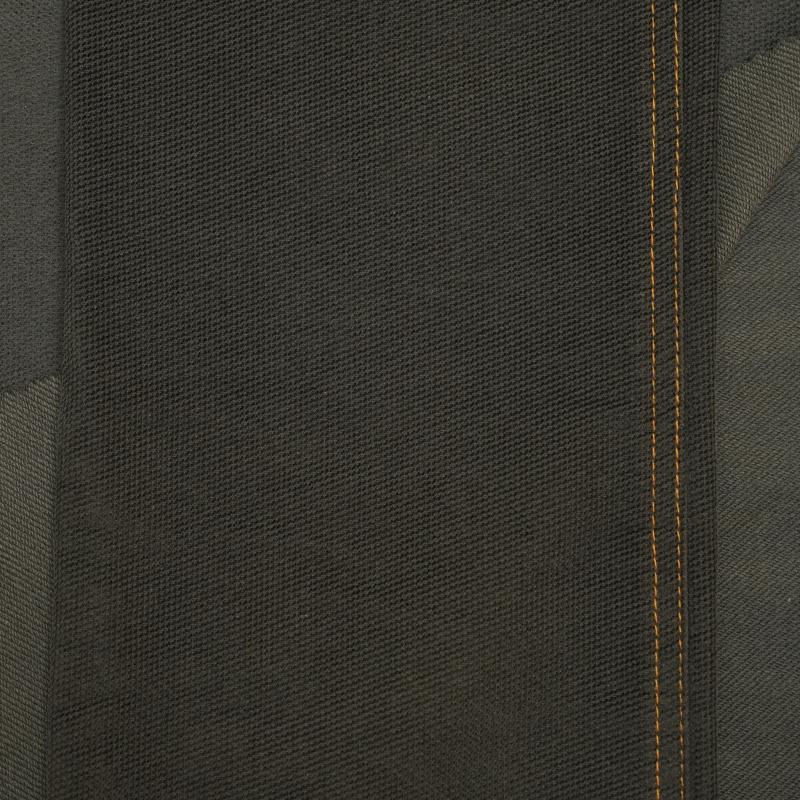
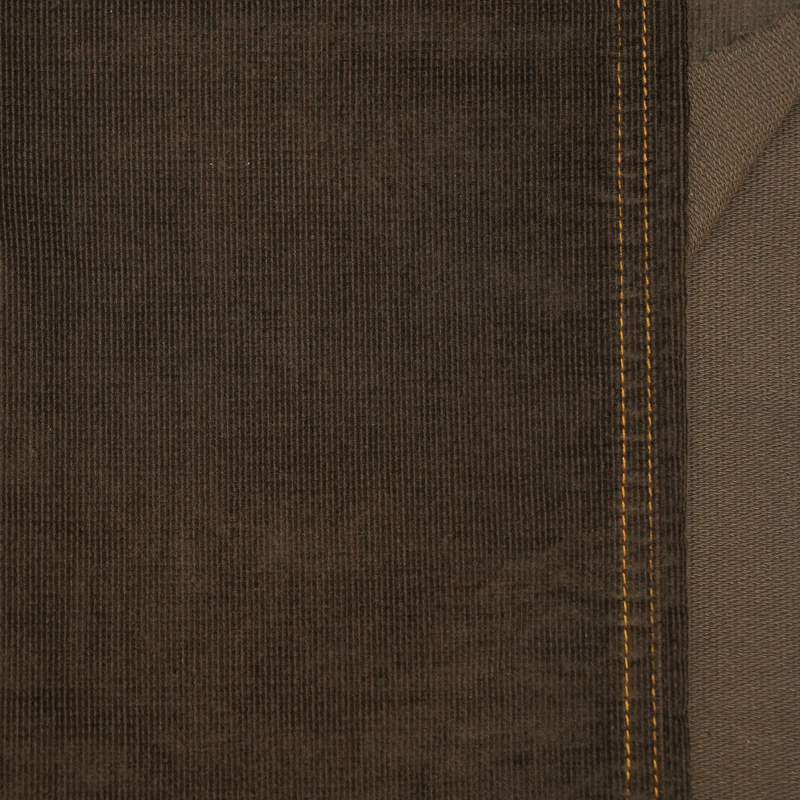
Adding spandex or polyester into the blend opens up stretch applications. A real-world example: our Modal-cotton Dyed Cloth style GS1742D is composed of 63% cotton, 30% modal, 4% polyester, and 3% spandex — a construction that delivers both softness and four-way stretch. At 290 GSM with a 57/8" width, it's substantial enough for tailored trousers and performance bottoms without sacrificing comfort.
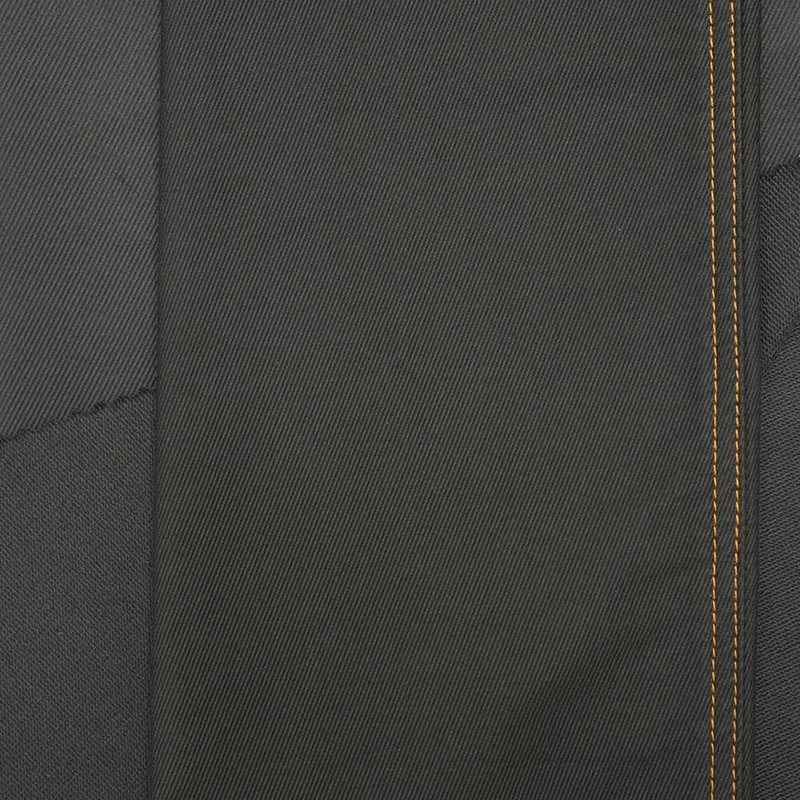
The construction spec (12+SB12×21+40D+21(75D)70D/110×65) reflects a twill weave with a siro-spun core, which contributes to the fabric's smooth surface and crease recovery. For sourcing buyers, this level of construction detail is what separates a high-performing fabric from a generic blend.
Dyeing Behavior: Why the Blend Changes the Process
Dyeing modal-cotton requires a dual-fiber approach. Modal, like cotton, is a cellulosic fiber — but its crystalline structure differs, meaning it absorbs reactive dyes at a slightly different rate. Mills that handle this well achieve uniform color without visible streaking or shade variation between fibers.
When the dyeing is executed correctly, modal-cotton cloth achieves colorfastness ratings that consistently outperform pure cotton. The modal component holds dye deep in the fiber structure rather than at the surface, which directly reduces wash fading. For garments that go through frequent laundering — workwear, activewear, everyday basics — this matters.
Pre-treatment is equally critical. The fabric must be thoroughly scoured before dyeing to remove any finishing agents that would block dye uptake. Mills with controlled pre-treatment lines and closed-loop dye processes produce the most consistent results across batches.
Primary Applications by End Use
Modal-cotton dyed cloth is used across a wide range of garment categories. The blend's versatility is its main commercial advantage.
- Bottoms and trousers: The combination of drape, stretch (when spandex is included), and dye depth makes it a strong choice for chinos, casual trousers, and joggers. The 290 GSM weight of GS1742D, for instance, is optimized for exactly this category.
- Casual tops and shirting: Lower GSM variants (around 150–180 GSM) suit lightweight shirts and blouses where breathability is the priority.
- Loungewear and sleepwear: The modal component's softness against skin makes the blend a natural fit for close-contact garments.
- Activewear: With spandex incorporated, the stretch recovery and moisture management make it functional for yoga wear and gym apparel.
If you're exploring complementary options, our broader range of cotton blended dyed fabrics — including Tencel-cotton and rayon-cotton — covers most comfort-driven apparel categories.
What to Verify Before Sourcing
When evaluating a modal-cotton dyed cloth supplier, four things are worth checking directly:
- Fiber certification: Modal fiber quality varies by producer. Ask whether the modal used carries standard certifications that verify fiber origin and chemical safety.
- Colorfastness test data: Request wash and rub fastness results (ISO 105 or equivalent). A reputable mill will have batch test records.
- Shrinkage after washing: Modal-cotton blends generally shrink less than pure cotton, but this should be confirmed with a pre-wash swatch, especially for fitted garments.
- GSM consistency across rolls: Weight variation between rolls is a common quality issue. Mills with standardized loom settings and quality control checkpoints maintain tighter tolerances.
For buyers who also need fabrics at the prepared-for-dyeing stage — where you control the final color — our PFD and garment-dyeing fabrics provide a clean base for custom color work.
Care and Longevity
Modal-cotton dyed cloth is low-maintenance relative to its performance level. Machine washing on a gentle cycle with cold or warm water preserves both the fabric's softness and dye integrity. Avoid bleach and high-heat drying — the modal fibers are sensitive to prolonged heat exposure, which can weaken the fiber structure over time.
Flat drying or low-heat tumble drying maintains shape retention. If ironing is necessary, a medium heat setting works well; the twill weave recovers easily from creasing. With proper care, garments made from this blend hold their color, shape, and softness through 50+ wash cycles — a standard benchmark used by mills to verify durability before releasing fabric to market.
Summary
Modal-cotton dyed cloth earns its place in modern apparel production because the blend genuinely improves on the limitations of pure cotton — better dye uptake, softer hand, and longer-lasting performance. The key variables are fiber ratio, construction weight, and how carefully the dyeing process is managed. Get those right, and the fabric delivers across a broad range of end uses.
For specific product data, swatches, or sourcing inquiries, visit our Modal-cotton Dyed Cloth product page.
Related Products


-

- Address: No.8 Longxuan Road, Lijia Town, Wujin District, Changzhou, China
- Phone: +86-13301509168
- Email: [email protected]
- BE THE FIRST TO KNOW
- For exclusive deals and latest offers, sign up by entering your email address below.
- QUICK LINKS
RELATED CERTIFICATIONS: