English
 中文简体
中文简体 Tiếng Việt
Production of various high-end fabrics reaches 7 million meters annually, including a wide range of fashionable new products and exquisite items, with a broad coverage of color patterns.

Tencel-Cotton Dyed Cloth: Properties, Dyeing Behavior & Sourcing Guide
2026-08-07
Content
- 1 What Tencel-Cotton Dyed Cloth Actually Is
- 2 Dyeing Behavior and the Quality Benchmarks That Matter
- 3 Key Properties That Decide End-Use Selection
- 4 What to Check Before You Source Tencel-Cotton Dyed Cloth
- 5 Applications and Weight Guidance
- 6 Care and Production Considerations
- 7 The Bottom Line for Buyers
A sourcing manager receives a brief for a new shirt line: the fabric has to be softer than standard cotton poplin, structured enough to hold a collar shape, available at a target weight of 140 g/m², and consistent in color across multiple production lots. The conversation quickly lands on Tencel-cotton dyed cloth. This blend, which mixes lyocell fiber with cotton and dyes both components in one process, has become a default option for shirting, dresses, and light outerwear for a simple reason: it works.
The conclusion up front: Tencel-cotton dyed cloth delivers reliable results when the blend ratio is transparent, the weave is matched to the end use, and the finisher has controlled shrinkage and dye fixation. Problems that buyers blame on the fiber are usually, in practice, problems of unclear specification, missing test data, or insufficient finishing. Get those three things right and the fabric performs consistently from first shipment to reorder.
What Tencel-Cotton Dyed Cloth Actually Is
Tencel is the commercial name for lyocell, a man-made cellulosic fiber produced from wood pulp. In woven fabrics, it is often blended with cotton to balance hand, stability, and cost. Common ratios range from 50/50 to 70/30 cotton/Tencel, and the exact blend changes the fabric's price and behavior noticeably.
The two fibers complement each other at the mechanical level. Cotton contributes dimensional stability, a crisp surface, and a familiar hand. Tencel contributes drape, a smoother surface, and better moisture movement. Because both are cellulose fibers, reactive dyes can be applied to both in the same bath. That shared chemistry is what makes Tencel-cotton dyed cloth more predictable to produce than blends such as cotton-polyester, which require a mix of dye classes.
If you are deciding whether this fabric suits your program, our guide to how the Tencel-cotton blend combines softness and strength explains the mechanical pairing in more detail.
Typical constructions
- Two-up-one-down twill for shirts, blouses, and light jackets, because the diagonal structure hides wrinkles and drapes well.
- Poplin or plain weave when you need a smooth, formal surface at lower weight.
- Canvas or heavy twill for workwear trousers, structured skirts, and outerwear panels.
- Slub or jacquard variations when a textured surface is part of the design.
How the two fibers behave in the dye bath
Cotton and lyocell absorb reactive dye at different rates. Under identical conditions, Tencel often takes up dye faster and reaches a deeper shade than cotton. In a tightly blended yarn this difference is invisible, but when the warp and weft are different fiber types, the tonal contrast can become visible. That subtle difference is either a design feature or a reason to adjust the recipe before bulk dyeing. A mill that routinely handles cotton-Tencel blends knows how to adapt dosing and temperature curves so the final color is uniform.
Dyeing Behavior and the Quality Benchmarks That Matter
Because both components accept reactive dyes, Tencel-cotton dyed cloth is one of the more color-predictable blended fabrics in a woven mill. The risk points are bleaching, where strong cotton scouring can damage fiber; temperature control during dyeing, which affects dye uptake; and rinsing, which removes hydrolyzed dye that would otherwise fade later. These process steps show up in the finished fabric as measurable quality parameters.
| Parameter | Typical Acceptance Range | Why It Matters |
|---|---|---|
| Batch-to-batch shade difference | Delta E ≤ 0.6 under D65 daylight | Prevents panel mismatch when a production lot is cut from several rolls or reorders are added later |
| Color fastness to washing | ≥ 3.5–4 (ISO 105 C06) | Keeps the color stable through repeated home launderings without fading or staining |
| Color fastness to light | ≥ 4 (ISO 105 B02) | Required for garments and curtains that face daylight for long periods |
| Crocking, dry / wet | Dry ≥ 4, wet ≥ 3 (AATCC 8) | Prevents dye transfer to adjacent fabrics, trims, and lighter garments in the wash |
| Dimensional stability | ≤ 3% warp and weft (ISO 6330, 5 washes) | Controls garment fit and panel alignment after the first laundering cycles |
| Pilling resistance | ≥ 4 (Martindale, ISO 12945-2) | Keeps collars, cuffs, and seat areas smooth during wear |
| Finished fabric pH | 4.0–7.5 (ISO 3071) | Avoids skin irritation and protects the dye-fiber bond over time |
These numbers are not arbitrary. A shade tolerance of Delta E 0.6, for example, is what keeps a blue shirt looking the same when a replacement panel is cut from a later batch. If a supplier cannot provide wash fastness and dimensional stability data before sampling, the risk of rework and rejected goods increases significantly.
Key Properties That Decide End-Use Selection
Hand feel, drape, and softness
Tencel gives the fabric a fluid drape and a smooth, slightly cool initial touch. Cotton gives it body. The combination is why Tencel-cotton dyed cloth appears in dress shirts that need to move with the body rather than stand away from it, and in dresses where the fabric must skim the silhouette. A 120–150 g/m² weight range is typical for those uses.
Strength and durability
Lyocell is a strong fiber in both dry and wet states, which makes Tencel-cotton blends more robust than similar-weight rayon blends. The construction still sets the limit: a 130 g/m² poplin is not going to survive heavy industrial use, while a 220 g/m² canvas is built for workwear and structured garments. For a shirt-weight twill with proven performance, the GS17065B cotton-Tencel twill dyed cloth is a good reference: it sits at a practical weight for shirting and light trousers and takes reactive dyes evenly.
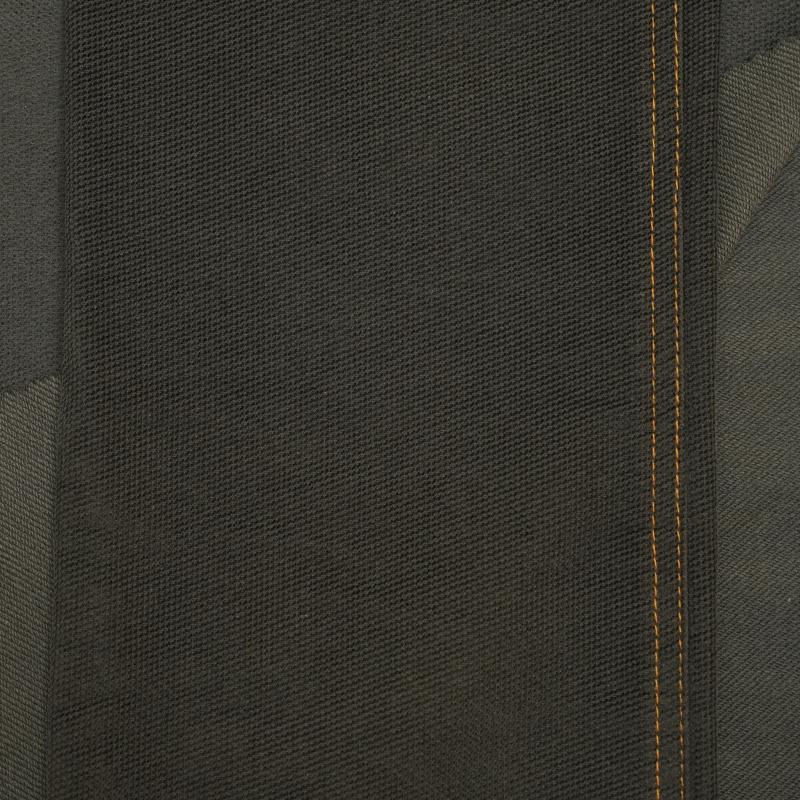
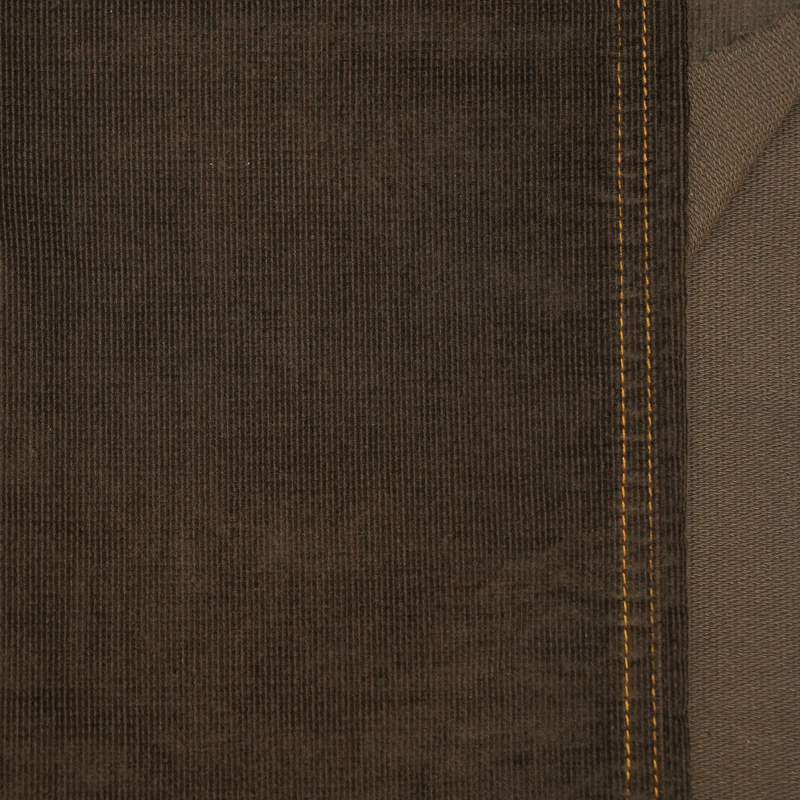
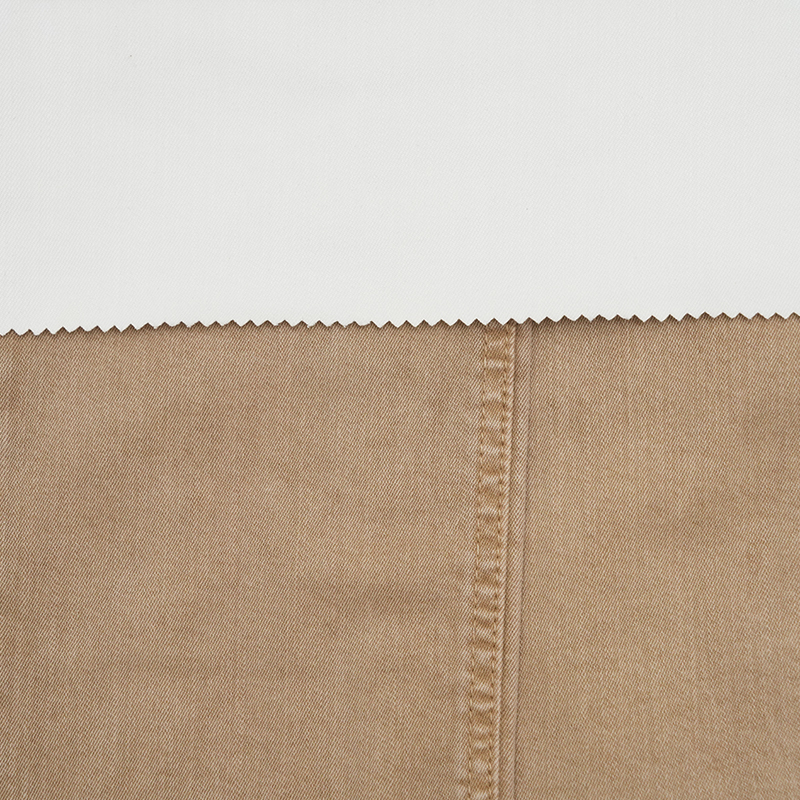 Custom GS17065B Cotton-Tencel Twill Dyed Cloth Suppliers, Company - Changzhou HuChangzhou Huiya Textile is China custom GS17065B Cotton-Tencel Twill Dyed Cloth suppliers and company, details: Cotton-Tencel Twill Dyed ...View Product →
Moisture behavior and comfort
Both fibers absorb moisture well. Tencel is particularly good at moving moisture away from the skin, and cotton adds the structure that keeps the garment in shape while wet. The trade-off is drying time: this fabric dries more slowly than synthetics, which matters for sportswear or travel garments. For general apparel and home textiles, the comfort gain far outweighs the longer drying time.
What to Check Before You Source Tencel-Cotton Dyed Cloth
Confirm the exact blend ratio
A fabric labeled simply Tencel-cotton can be 70/30, 60/40, or 55/45 cotton/Tencel, depending on the mill. The ratio changes the price because Tencel costs more than cotton, and it changes the hand, wet stability, and print or dye response. Ask for the exact percentage on the specification sheet, and request fiber-content verification from the supplier for larger orders. If a certified or recycled claim is part of the product brief, confirm whether the cotton or Tencel component carries GRS certification, because that determines the documentation trail you will need.
Validate the construction and the finish
Check the weave, thread count, finished width, and whether the fabric is Sanforized or pre-shrunk. The finish is where Tencel-cotton cloth is either improved or ruined: an anti-fibrillation finish keeps the surface smooth and prevents the hazy, fuzzy appearance that can develop on lyocell surfaces after washing. When the cotton proportion is high, the finish matters a little less, but it still belongs in the specification.
Request test data before you request a bulk price
A reliable supplier provides lab reports for wash fastness, crocking, and shrinkage without being asked twice. If the mill cannot produce these documents, the product is not finished fabric yet. If you need a cotton-dominant version with the same drape advantages, the GS17073B 85% cotton-Tencel twill dyed cloth is worth comparing against a 70/30 option, because the higher cotton content changes both the hand and the cost structure.
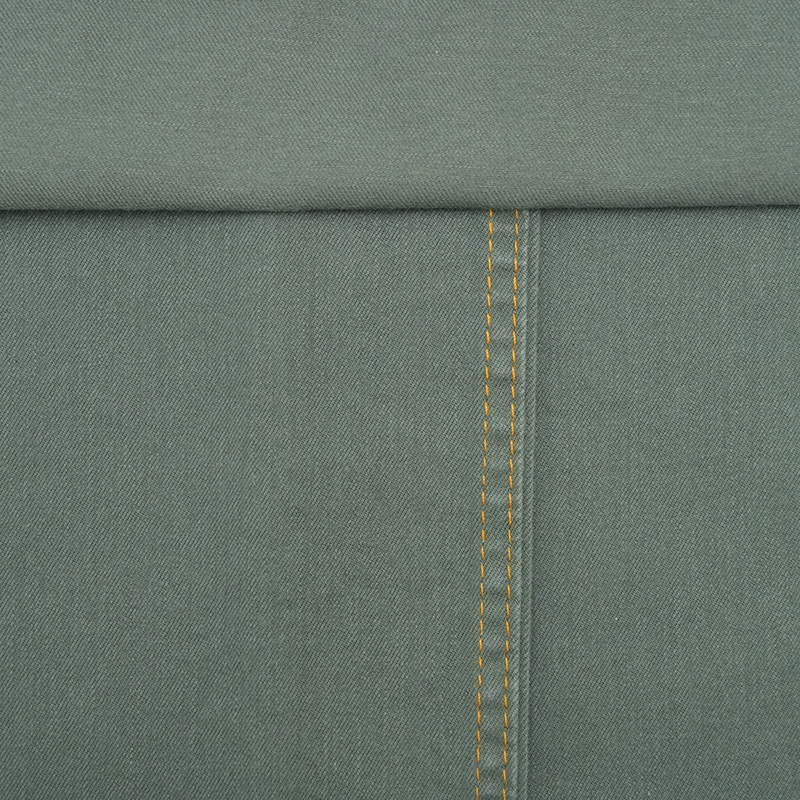 Custom GS17073B 85%Cotton-Tencel Twill Dyed Cloth Suppliers, Company - ChangzhouChangzhou Huiya Textile is China custom GS17073B 85%Cotton-Tencel Twill Dyed Cloth suppliers and company, details: 85% Cotton-Tencel Twil...View Product →
Applications and Weight Guidance
The right weight depends on the end use. The following ranges are practical starting points used by garment manufacturers sourcing this family of fabrics:
- 100–140 g/m²: blouses, shirt dresses, lining-weight skirts, and lightweight summer shirts.
- 140–180 g/m²: classic shirts, casual trousers, overshirts, and light jackets.
- 180–240 g/m²: workwear trousers, heavier shirts, and structured outerwear.
- 240 g/m² and above: canvas jackets, bags, upholstery-style accents, and heavy skirts.
For heavier applications where the fabric has to hold its shape under repeated wear, the GS4568 cotton-Tencel canvas dyed cloth gives the weight and dimensional stability that a lighter twill cannot offer, while keeping a smoother surface than a pure cotton canvas.
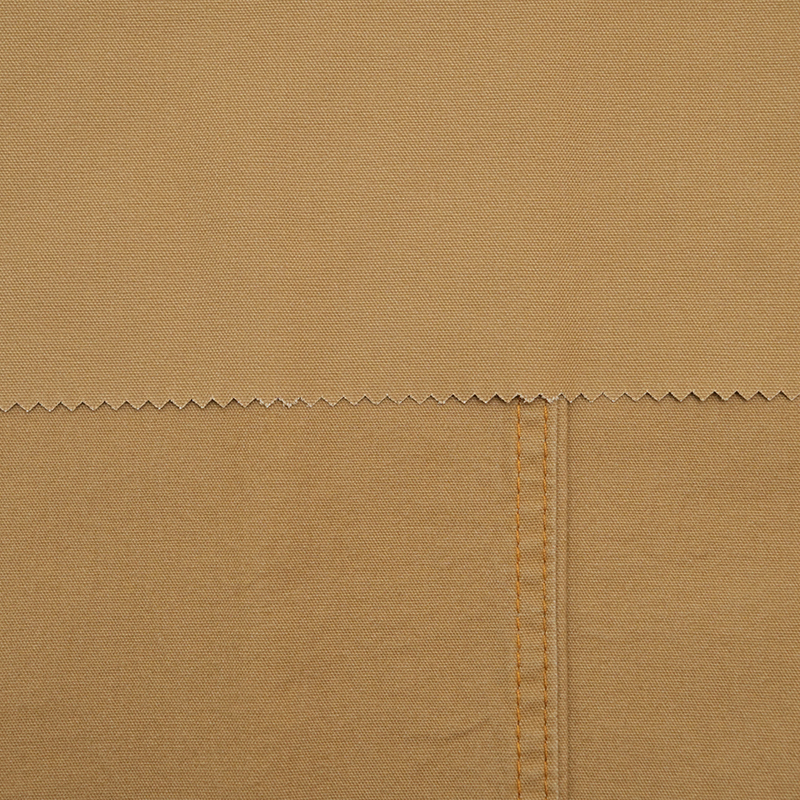 Custom GS4568 Cotton-Tencel Ground Dyed Canvas Cloth Suppliers, Company - ChangzChangzhou Huiya Textile is China custom GS4568 Cotton-Tencel Ground Dyed Canvas Cloth suppliers and company, details: Cotton-Tencel Groun...View Product →
Care and Production Considerations
Tencel-cotton dyed cloth is easy to maintain, but like all cellulosic fabrics it responds poorly to high temperatures and aggressive chemicals. Washing at 30–40°C with a mild detergent, avoiding chlorine bleach, and using low heat for tumble drying will preserve both color and hand. Ironing should be done at a moderate temperature, ideally on the reverse side to protect the dyed surface. The recommended washing routine, with specific temperature and drying guidance, is covered in our guide to washing Tencel-cotton dyed cloth.
The Bottom Line for Buyers
Tencel-cotton dyed cloth balances cotton's structure with Tencel's softness, and its dyeing behavior is predictable as long as the mill controls the process. The difference between a smooth sourcing experience and a costly one comes down to a few specifics: the stated blend ratio, the construction details, the finishing applied, and the test data provided. Put those in the specification, start with a lab dip, and this fabric will perform consistently across production runs.
For a more complete reference, including comparisons across weights, finishes, and supplier questions, the buying guide for Tencel-cotton dyed cloth walks through each stage of evaluation in detail.
Related Products

-

- Address: No.8 Longxuan Road, Lijia Town, Wujin District, Changzhou, China
- Phone: +86-13301509168
- Email: [email protected]
- BE THE FIRST TO KNOW
- For exclusive deals and latest offers, sign up by entering your email address below.
- QUICK LINKS
RELATED CERTIFICATIONS: