English
 中文简体
中文简体 Tiếng Việt
Production of various high-end fabrics reaches 7 million meters annually, including a wide range of fashionable new products and exquisite items, with a broad coverage of color patterns.

Jute Fiber: Essential Properties, Uses, and What Textile Buyers Should Know
2026-09-11
Content
Walk through any coffee warehouse and you will see it: coarse, honey-colored cloth wrapped around sacks of beans and grain. That cloth is jute, and its role extends far beyond burlap. Jute fiber also reinforces car door panels, backs woven carpets, stabilizes riverbanks, and appears in rustic cotton-blend apparel. The conclusion for buyers is simple: jute is one of the cheapest, most environmentally credible natural fibers available, with real strength and a small processing footprint, but it only performs where stiffness, high moisture sensitivity, and poor sunlight resistance are acceptable. Design around those limits and jute delivers; ignore them and it becomes a costly compromise.
What is jute fiber?
Jute is a bast fiber extracted from the stems of Corchorus plants, an annual crop grown mainly in the warm, humid deltas of South Asia. Two species dominate. Corchorus capsularis yields white jute, which is finer, softer, and brighter. Corchorus olitorius yields tossa jute, which is golden-brown, slightly coarser, and stronger. Tossa jute accounts for most international trade because that extra strength survives rough handling.
The production cycle explains the fiber's character. Farmers sow in spring, harvest in four to five months at flowering, and leave the stems to rett in slow-moving water for two to three weeks so bacteria dissolve the woody gums holding the fiber strands. After stripping, washing, and field drying, the long shiny strands are pressed into bales. Jute needs little fertilizer and almost no pesticide, matures fast, and returns organic matter to the soil, which is why it earned the nickname "golden fiber" for its sustainability story as much as its color.
India and Bangladesh grow roughly 90 percent of the world's jute, with smaller volumes from Myanmar, Nepal, Thailand, and China. That concentration matters because weather, retting-water quality, and local grading practices affect every shipment.
Properties that decide where jute works
Jute's technical profile is distinctive. It is strong for the price, but it barely stretches, feels stiff, and absorbs moisture aggressively. Those four traits explain most real-world jute successes and failures.
| Property | Typical value | Practical consequence |
|---|---|---|
| Fiber length | 1.5-3 m strands | Spins into coarse, durable yarns |
| Fineness | About 2-3 tex | Well over ten times coarser than cotton |
| Density | 1.3-1.5 g/cm³ | Similar to other cellulosic fibers |
| Tenacity | 25-45 cN/tex | Strong enough for sacks and geotextiles |
| Elongation at break | 1.5-2% | Very low stretch; cloth creases sharply |
| Moisture regain | About 13.75% at 65% RH | Comfortable in humid heat but must stay dry in storage |
| UV resistance | Poor | Yellows and weakens in direct sun |
| Acid resistance | Poor | Avoid acidic finishes and cleaners |
| Biodegradability | Full, in soil and compost | Leaves no persistent microplastics |
The moisture figure deserves special attention. At roughly 13.75 percent regain, jute holds far more water vapor than cotton's 8.5 percent. In humid conditions, jute apparel feels cool because it exchanges moisture with the air; in a warehouse, the same behavior invites mildew whenever bales touch a damp floor. Humidity management is not optional with jute; it is the core requirement.
How jute compares with cotton, linen, and hemp
Cotton and jute are both cellulosic fibers, but they behave differently. Cotton is fine, soft, and stretches to 6-8 percent before breaking; jute is coarse, rigid, and snaps at 2 percent or less. Cotton wins in apparel on comfort and dye consistency, while jute wins on strength per dollar, which keeps it in packaging and industrial roles.
Linen and jute are closer relatives, since both come from plant stems. Flax-derived linen is finer, smoother, and much lower in lignin, so it takes a crisp finish; jute's higher lignin content makes it stiffer, yellower, and markedly cheaper. Hemp, the other commercial bast fiber, exceeds jute in strength and durability but costs more and needs longer retting. In short, jute sits at the value end of the bast-fiber family.
Where jute fiber is used
Jute's mix of strength, stiffness, and low cost points it toward a narrow but vital set of end uses.
Packaging and agriculture
Hessian cloth and jute sacks are still the classic application. The fiber's breathability keeps coffee, cocoa, grain, and potatoes from sweating, and the bags survive repeated handling. Twisted jute also becomes the twine and rope found on farms worldwide.
Home textiles and interiors
Jute appears in carpet backing, wallcoverings, curtains, table linens, upholstery, and the coarse baskets used in naturalist interiors. Here the fiber's stiffness is an advantage: structured home goods hold their shape instead of sagging.
Industrial textiles and composites
Jute geotextiles stabilize embankments and control erosion because they are strong, permeable, and biodegradable. In automotive interiors, jute-reinforced panels and trunk liners reduce weight and absorb sound. Natural-fiber composites with polypropylene or bio-resins are a fast-growing use.
Apparel and accessories
Pure jute is too rough for most clothing, but blends with 20 to 40 percent jute give jackets, skirts, footwear uppers, and bags an earthy texture. Enzyme softening and garment washing tame the hand, and the fiber's deep natural tone provides a believable undyed look.
Specifications buyers should check before ordering
- White or tossa. Tossa for strength-critical jobs such as sacks and geotextiles; white jute when you need a finer, brighter yarn for decorative wovens.
- Grade and shade. Ask for a physical sample of the expected grade. Good jute shows an even golden or creamy color, low root content, and few end defects; a dull brown shade signals poor retting or storage damage.
- Moisture content. Agree on a moisture specification and keep bales below 65 percent relative humidity. Wet jute heats, smells, and rots quickly.
- UV exposure. Untreated jute loses strength and fades within weeks of direct sun; specify stabilization or choose another fiber for outdoor goods.
- Consistency. Jute varies by season and retting water. Request test data on tenacity, elongation, and moisture regain per lot, and keep a reserve sample.
Because jute is a renewable annual crop, its carbon story is credible. If your brand needs documented proof, look for certified organic or fair-trade jute programs from the main growing regions rather than generic claims.
What jute means on a weaving mill floor
Mills weave jute differently from cotton. The strands are bristly, shed lint, and resist bending, so yarns require batching oil or a humid weave room to run smoothly. One hundred percent jute cloth is dense, crisp, and abrasion-resistant, but it creases sharply, dyes to a narrow shade range, and fades unevenly in daylight. For apparel and most home textiles, we advise buyers who want a jute aesthetic to choose a cotton-based weave with a coarse, rustic structure instead.
A heavy cotton-tencel canvas delivers that same rugged, natural hand while sewing cleanly, holding color, and softening after washing.
Sustainability briefs are the other common pathway. Buyers who want jute's green credentials can often meet the same requirement with traceable recycled inputs: a GRS-certified recycled-cotton corduroy offers the textured natural look with an audit trail and a far wider dye palette.
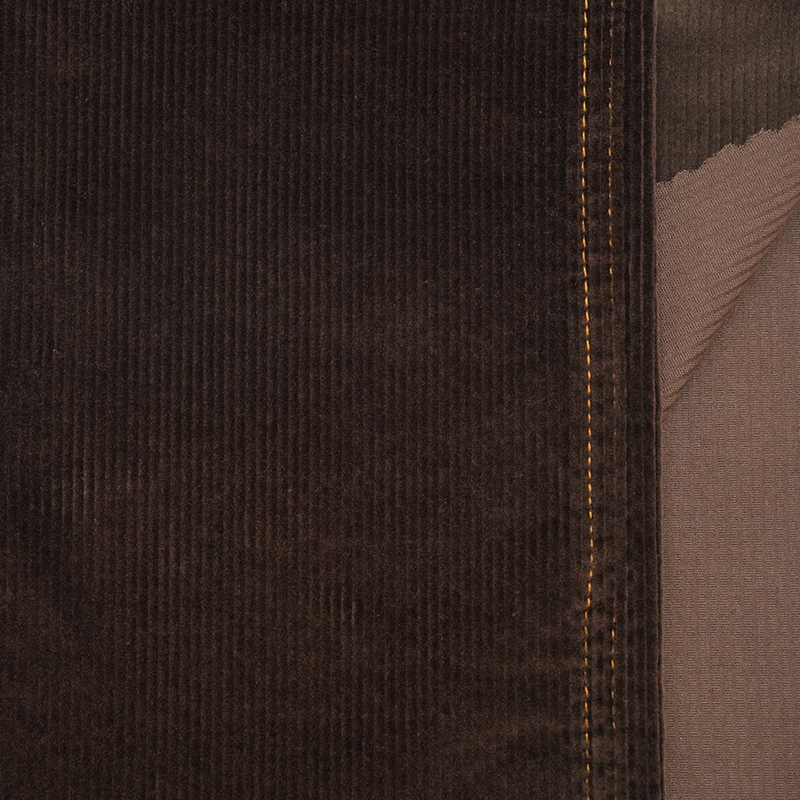
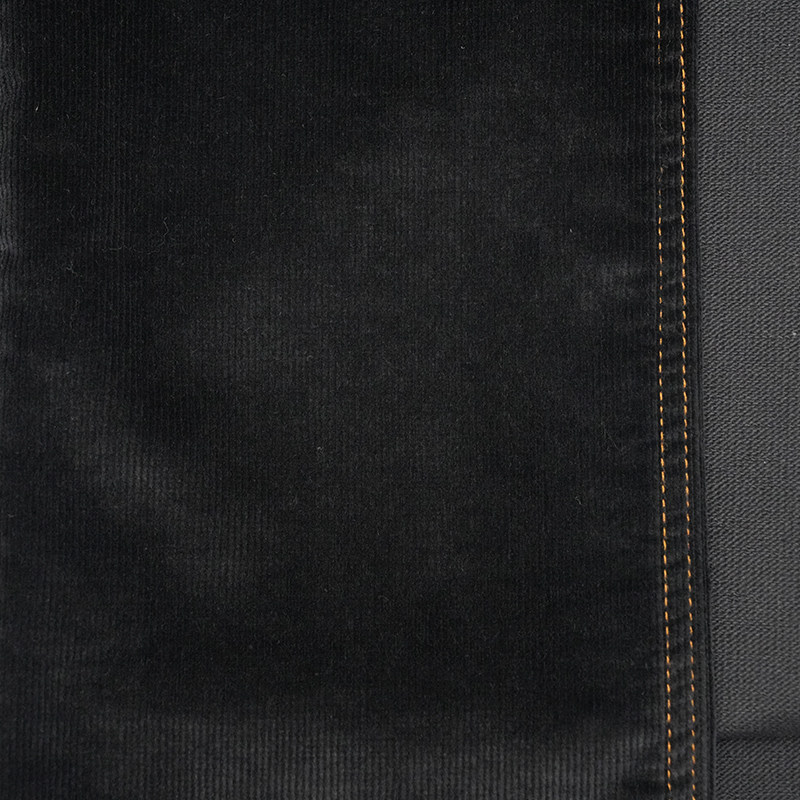
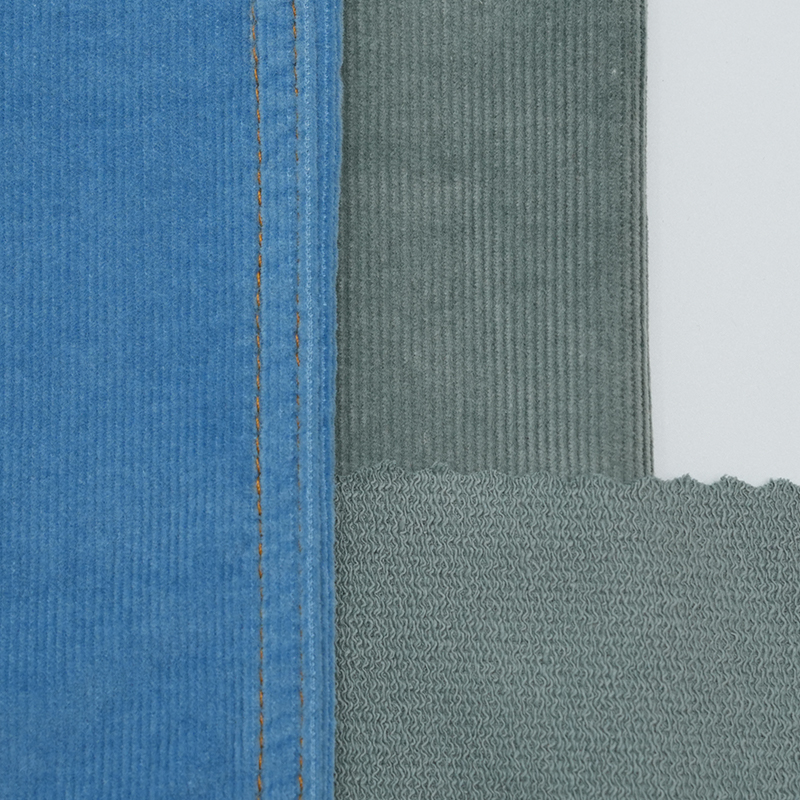
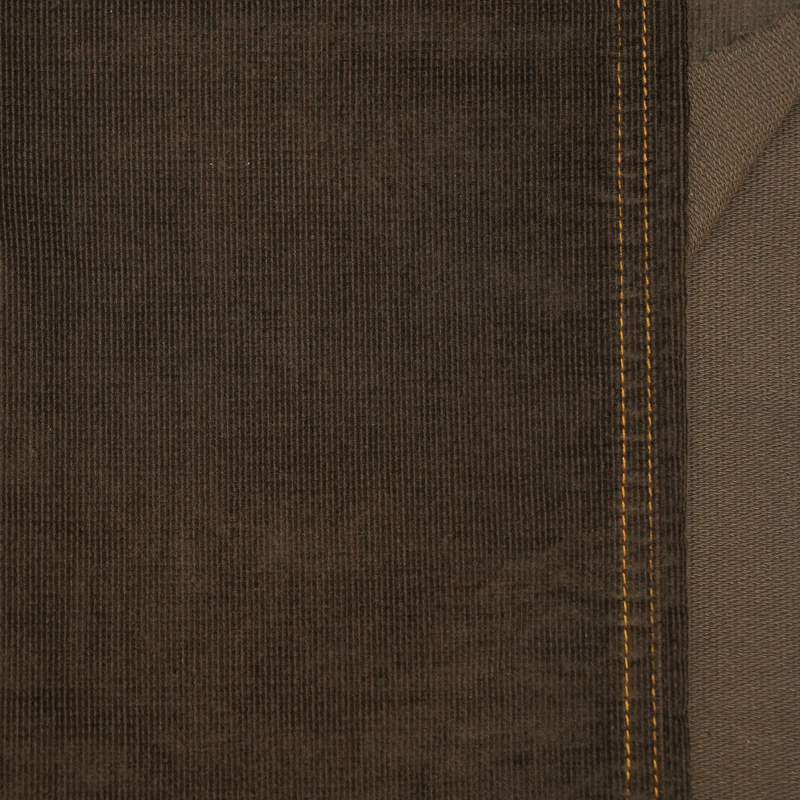
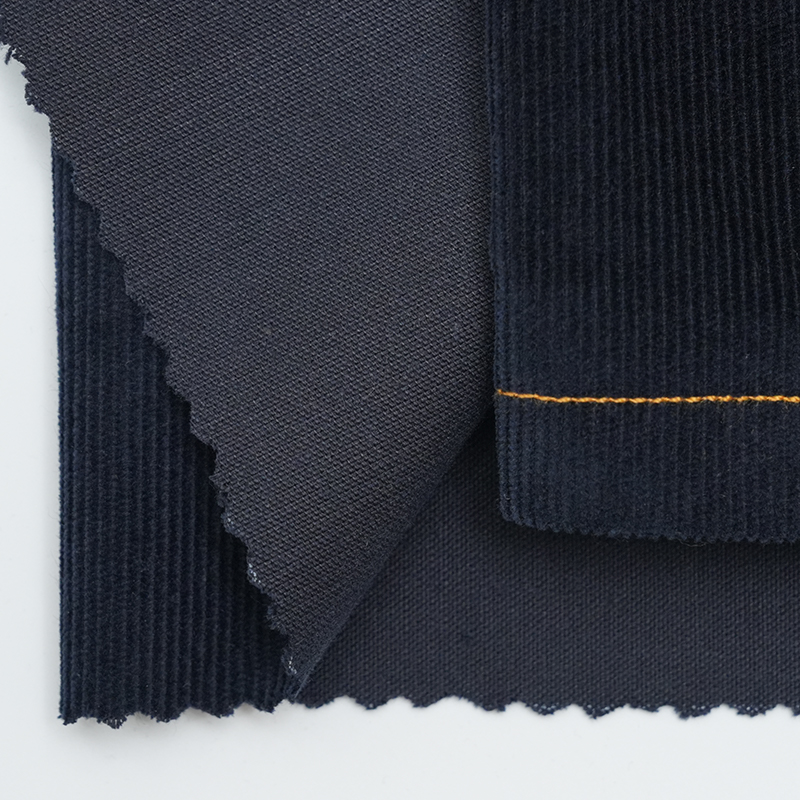 14W GRS Cotton Corduroy Dyed Fabric with Recycled Content and StretchThis eco-certified corduroy blends 78% cotton, 20% recycled cotton, and 2% spandex, offering a classic textured look with added stretch. Its sustainable makeup makes it a strong choice for buyers seeking green credentials without sacrificing hand feel.View Product →
For apparel that wants a rustic cotton-blend aesthetic rather than jute itself, a stretch cotton-modal twill reproduces the earthy character without the itch, stiffness, or poor light fastness.
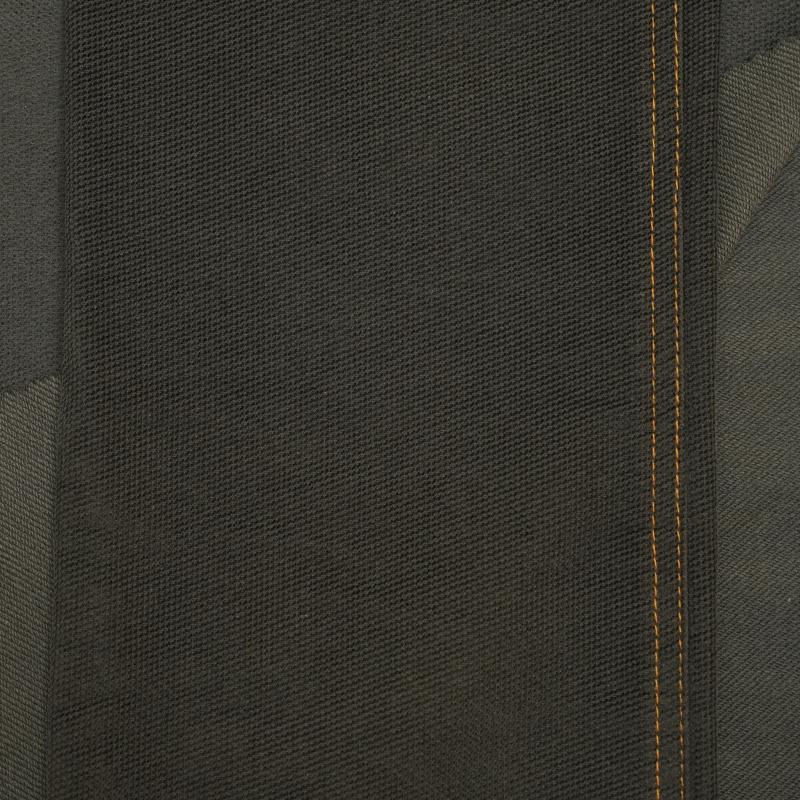
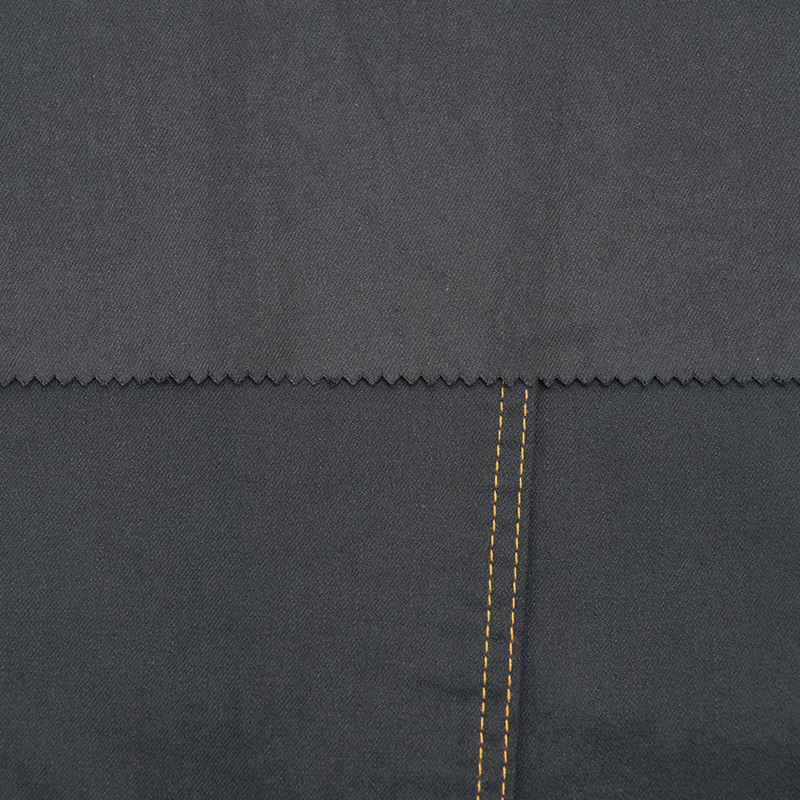 Super Stretch Cotton-Modal Twill Dyed Cloth for Comfort and VersatilityA premium blend of cotton, modal, and spandex provides softness, breathability, and excellent stretch. This twill delivers a rustic cotton-blend aesthetic without jute's stiffness or itch, ideal for high-quality apparel and trousers requiring both luxury and movement.View Product →
You can read more about the trade-offs between natural-fiber character and verified eco-fabrics in our practical sourcing guide to eco-friendly woven fabrics.
The verdict is simple. Jute fiber remains one of the best-value natural fibers in existence: strong, cheap, renewable, and fully compostable, and it keeps doing the unglamorous jobs of carrying grain, stabilizing soil, and reinforcing plastics without adding much to the carbon ledger. Just do not ask it to imitate cotton. Keep jute dry, out of bright sun, and designed around its stiffness, and it will serve you quietly for years. When a project needs that natural story with a softer hand and dependable color, a well-constructed cotton blend is the more forgiving choice.
Related Products


-

- Address: No.8 Longxuan Road, Lijia Town, Wujin District, Changzhou, China
- Phone: +86-13301509168
- Email: [email protected]
- BE THE FIRST TO KNOW
- For exclusive deals and latest offers, sign up by entering your email address below.
- QUICK LINKS
RELATED CERTIFICATIONS: