English
 中文简体
中文简体 Tiếng Việt
Production of various high-end fabrics reaches 7 million meters annually, including a wide range of fashionable new products and exquisite items, with a broad coverage of color patterns.

Woven Fabric & Eco-Friendly Dyed Fabric: A Practical Sourcing Guide
2026-05-20
Content
- 1 Why Woven Fabric Dominates Apparel and Home Textiles
- 2 The Problem with Conventional Dyeing — and What Eco-Friendly Dyeing Actually Fixes
- 3 Which Fabric Types Are Best Suited to Eco-Friendly Dyeing?
- 4 Certifications That Matter When Sourcing Eco-Friendly Dyed Fabric
- 5 Practical Checklist for Sourcing Eco-Friendly Woven Dyed Fabric
- 6 The Bottom Line for Buyers
The textile dyeing industry consumes 100–150 liters of water per kilogram of fabric processed — and accounts for roughly 20% of global industrial water pollution. For brands sourcing woven fabric today, that number is no longer just an environmental footnote. It is a procurement risk, a compliance exposure, and increasingly, a customer expectation.
This article explains what separates conventional dyed woven fabric from eco-friendly dyed fabric, what certifications actually mean in practice, and how to evaluate suppliers before placing an order.
Why Woven Fabric Dominates Apparel and Home Textiles
Woven fabric is produced by interlacing warp and weft threads on a loom. The resulting structure — plain, twill, satin, dobby, jacquard — determines the fabric's weight, drape, and durability. Unlike knits, woven constructions resist stretching in multiple directions, which is why they are the default choice for structured garments, workwear, upholstery, and technical applications.
From a sourcing perspective, woven dyed fabrics offer predictable consistency across large runs. The weave structure holds dye evenly, which is critical when you are producing thousands of meters in the same colorway. This is one reason why twill, canvas, and dobby constructions remain the backbone of B2B textile orders — they deliver color uniformity that buyers can depend on.
The Problem with Conventional Dyeing — and What Eco-Friendly Dyeing Actually Fixes
Standard reactive dyeing of cotton requires large volumes of salt, alkali, and water to push dye molecules into fiber. Much of that dye — estimates range from 10% to 40% — ends up as colored wastewater discharged into treatment systems or, in unregulated facilities, directly into waterways. The World Bank has identified over 70 toxic chemicals that originate solely from textile dyeing processes.
Eco-friendly dyed fabric addresses this through several overlapping approaches:
- Low-impact reactive dyes — formulated without heavy metals or carcinogenic amines (AZO dyes), with higher fixation rates that reduce effluent load.
- Waterless and low-water finishing — technologies like foam dyeing and supercritical CO₂ dyeing eliminate or drastically cut water from the process entirely.
- Recycled fiber integration — GRS-certified recycled polyester or cotton blended into the base fabric reduces the environmental cost of the fiber itself before dyeing begins.
- Closed-loop water systems — dyehouses with Zero Liquid Discharge (ZLD) infrastructure can recover up to 95% of process water, dramatically cutting discharge volume.
The practical result for buyers: fabric dyed by verified eco-friendly methods carries lower regulatory risk, is easier to place in European and North American markets with stricter import standards, and supports the brand-level sustainability disclosures that retailers increasingly require from suppliers.
Which Fabric Types Are Best Suited to Eco-Friendly Dyeing?
Not all fiber compositions respond equally to low-impact dyeing. Here is a practical comparison for sourcing decisions:
| Fiber / Blend | Eco-Dyeing Compatibility | Key Advantage |
|---|---|---|
| 100% Cotton (twill, canvas) | High | Wide dye range; biodegradable base fiber |
| Cotton / Tencel blend | Very High | Tencel requires less water to dye; soft hand feel |
| Cotton / Modal blend | High | Modal's smooth surface improves color depth uniformly |
| Cotton / Recycled Poly (GRS) | Medium–High | Reduces virgin material use; GRS-certifiable |
| Cotton / Rayon blend | Medium | Good drape; dye uptake varies with rayon ratio |
Cotton-blended dyed fabrics such as Tencel/cotton and Modal/cotton twills are increasingly favored in sustainable sourcing because the cellulosic blends dye efficiently under lower-temperature processes, cutting both energy use and processing time.
Certifications That Matter When Sourcing Eco-Friendly Dyed Fabric
Certifications are not marketing — they are supply chain documentation. The three most relevant for woven dyed fabric procurement are:
- OEKO-TEX Standard 100 — Confirms the finished fabric is free from harmful levels of regulated substances, including AZO dyes, heavy metals, and formaldehyde. This is the minimum baseline for most European retail buyers.
- GOTS (Global Organic Textile Standard) — Covers the entire supply chain from fiber to finished fabric, applying strict environmental and social criteria at every processing stage. Requires organic fiber content above 70%.
- GRS (Global Recycled Standard) — Verifies recycled content claims with chain-of-custody traceability. Relevant when sourcing fabrics that incorporate recycled polyester or post-consumer cotton.
When evaluating suppliers, request certificates that correspond to the actual production lot, not a parent company or unrelated facility. A GRS certificate for one plant does not cover dyeing done at a separate, uncertified dyehouse. Prepared-for-dyeing (PFD) fabrics from certified mills are a reliable starting point — they have been pre-treated without optical brighteners or finishing agents that interfere with eco-compliant dye processes.
Practical Checklist for Sourcing Eco-Friendly Woven Dyed Fabric
Before finalizing a supplier, verify the following:
- Dye class confirmation — Ask specifically whether low-impact reactive dyes or fiber-reactive dyes are used. Request the dyestuff supplier name if needed.
- Wastewater treatment documentation — A credible mill will provide evidence of effluent treatment compliance, ideally with ZLD or ISO 14001 environmental management certification.
- Color fastness ratings — Eco-friendly dyes should still meet minimum ISO wash fastness (grade 3–4) and light fastness standards. Request test reports per ISO 105 series.
- Fiber traceability — For GRS or GOTS claims, require transaction certificates (TCs) tied to your specific purchase order, not just a general scope certificate.
- Sample approval process — Request lab-dip samples against your Pantone or physical standard before bulk production. Color consistency is harder to control in low-salt dyeing processes, so lab-dip approval is non-negotiable.
The Bottom Line for Buyers
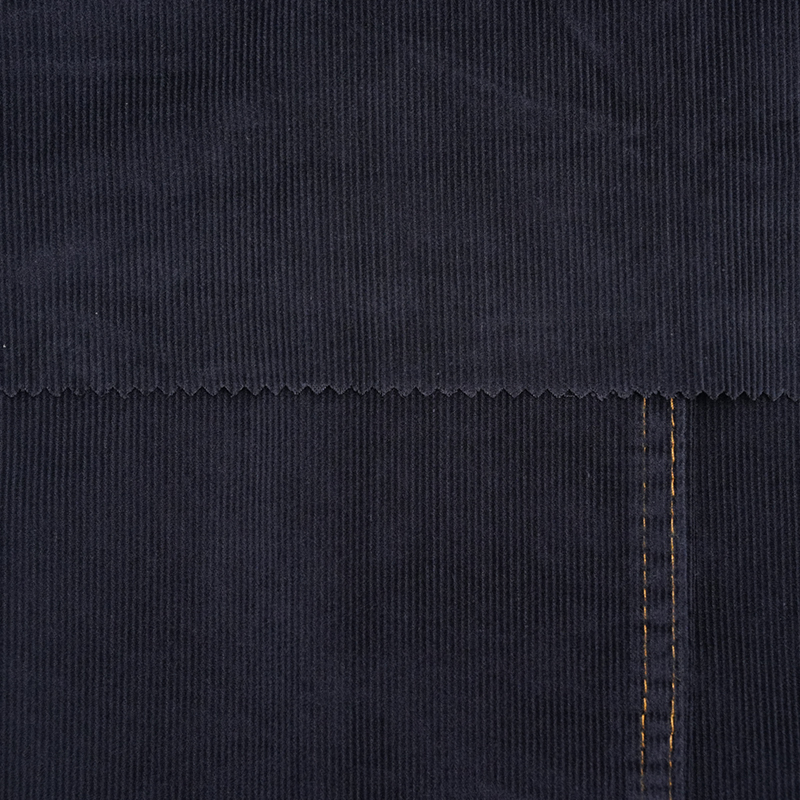
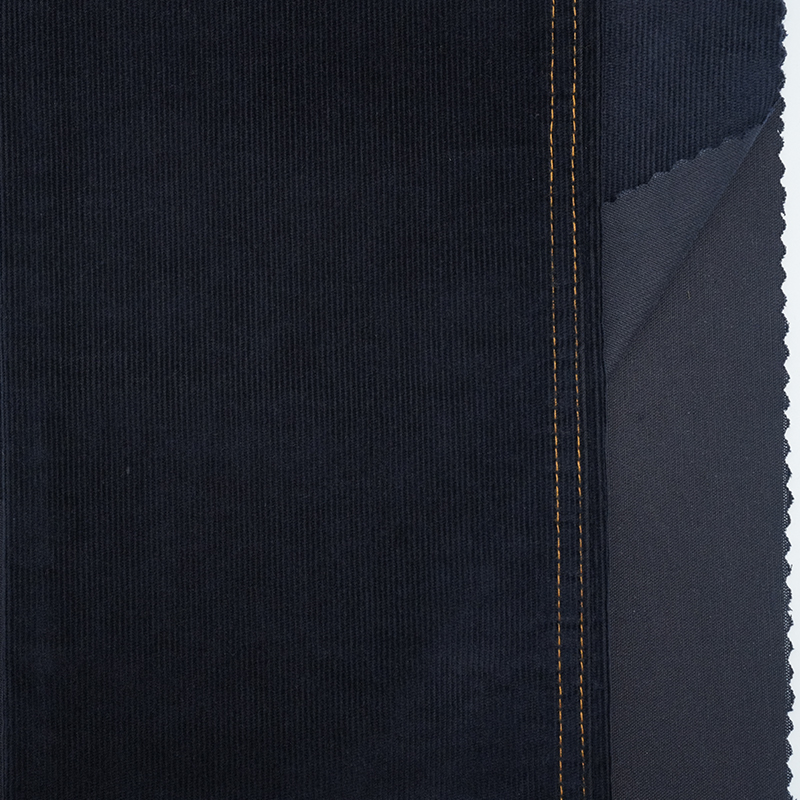
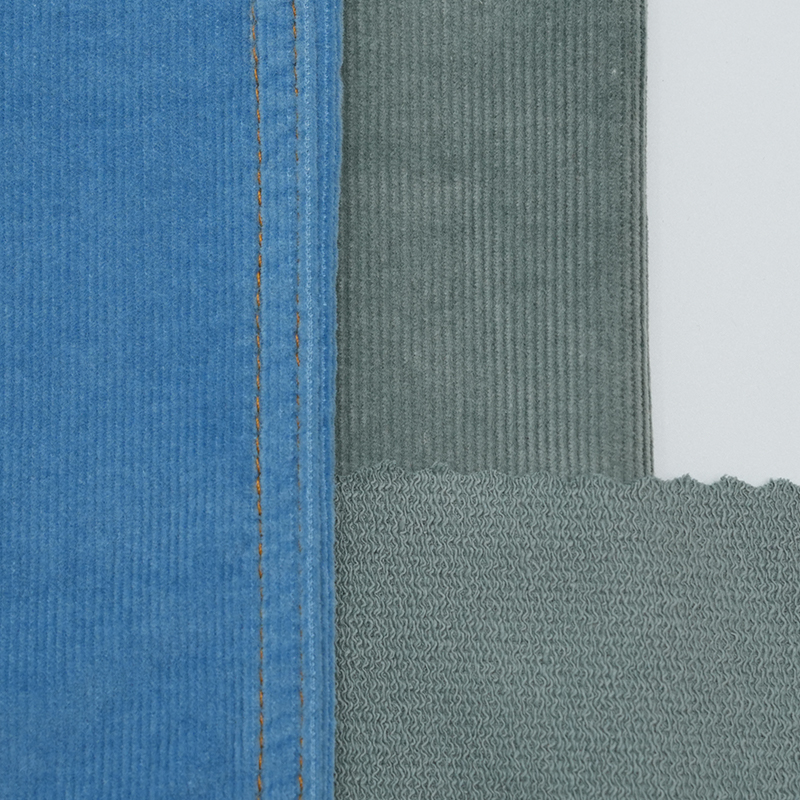
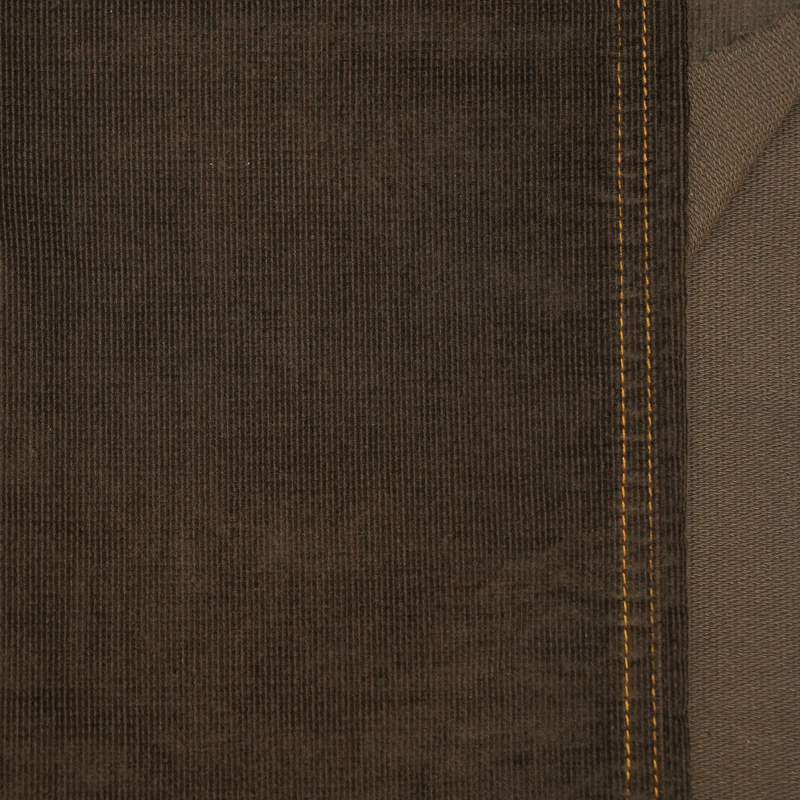
Eco-friendly dyed fabric is not a premium niche — it is becoming the standard baseline for regulated markets. The combination of tighter import chemical regulations in the EU and US, growing retailer ESG requirements, and end-consumer scrutiny means that sourcing conventional, high-pollution dyed fabric carries increasing commercial risk. Woven constructions — twill, corduroy, dobby, canvas — are well-suited to low-impact dyeing methods and certified fiber blends. The sourcing work is in supplier verification, not in finding alternatives that perform worse. Coated and specialty dyed woven cloths now also carry eco-compliant options for technical applications where durability and environmental credentials must coexist.
Start with certifications, validate them against your specific order, and treat dyehouse documentation with the same rigor as fabric performance specs. That discipline is what separates a defensible sustainability claim from a liability.
Related Products

-

- Address: No.8 Longxuan Road, Lijia Town, Wujin District, Changzhou, China
- Phone: +86-13301509168
- Email: [email protected]
- BE THE FIRST TO KNOW
- For exclusive deals and latest offers, sign up by entering your email address below.
- QUICK LINKS
RELATED CERTIFICATIONS: