English
 中文简体
中文简体 Tiếng Việt
Production of various high-end fabrics reaches 7 million meters annually, including a wide range of fashionable new products and exquisite items, with a broad coverage of color patterns.

Banana Fiber Explained: Properties, Production, and Dyeing for Fabric Buyers
2026-09-04
Content
- 1 What Banana Fiber Is and How It Is Extracted
- 2 Key Properties Buyers Should Expect
- 3 The Four Types You Will Encounter in Sourcing
- 4 Where Banana Fiber Is Actually Used
- 5 Why Banana Fiber Usually Reaches the Market as a Cotton Blend
- 6 Dyeing Banana Fiber: What Actually Controls the Result
- 7 The Sustainability Case, Including the Honest Caveats
- 8 A Practical Checklist Before You Commit
A banana plant fruits once, then it is cut down. What remains — the tall, trunk-like column that held the leaves — is not wood at all, but a stack of moist, fibrous sheaths, and in most growing regions it is burned, composted, or left to rot at the field's edge. Banana fiber is what happens when that waste stream is taken seriously: the sheaths are stripped, cleaned, dried, and spun into a cellulosic yarn that can be woven, dyed, and finished much like cotton. For fabric buyers, the short answer is this. Banana fiber delivers real moisture management, a quiet silk-like luster, and a credible byproduct-to-fabric sustainability story, but in commercial apparel it nearly always appears blended with cotton, and its dyeing results depend on ground preparation and shade control just as much as any specialty fiber does.
What Banana Fiber Is and How It Is Extracted
Banana fiber is a bast-type cellulosic fiber drawn from the pseudo-stem of the banana plant — the leaf sheaths that wrap around one another to form the "trunk." It is not made from the fruit, and it is not a new invention: fine hand-woven banana cloth has been produced for centuries in the Philippines, in Micronesia, and most famously in Okinawa, Japan. What is newer is industrial interest, driven by a simple fact: every banana harvest generates tons of sheaths that already exist and require no additional farmland.
From Sheath to Yarn
The extraction route is simple in outline, and the quality of each step shows up later in the yarn and in the dyed cloth:
- Sheaths are cut from the harvested pseudo-stem and split into workable ribbons.
- Soft pulp and moisture are scraped or mechanically decorticated away, leaving the fiber strands.
- Strands are washed and dried, often in shade, to limit yellowing and preserve strength.
- Fibers are graded by fineness, color, and strength, because inner and outer layers behave very differently.
- Graded fiber is spun — fine grades by hand for craft textiles, commercial grades on cotton-type spinning systems, usually in blends.
Key Properties Buyers Should Expect
Banana fiber is cellulose, like cotton, viscose, or tencel, so a dyehouse built around cotton chemistry can process it. The differences that matter sit in three places. Residual lignin leaves the raw fiber cream to yellowish-brown. Elongation is low, so the fabric feels crisp and resists stretch. And moisture absorption is strong. The table below sets those attributes against the cotton baseline most woven programs are built on.
| Attribute | Banana Fiber | Cotton, for Comparison |
|---|---|---|
| Source | Leaf sheaths of the banana pseudo-stem, an agricultural byproduct | Seed hairs of the cotton boll, a cultivated crop |
| Natural color | Cream to yellowish brown, from residual lignin | Cream to off-white |
| Moisture behavior | Absorbs and releases moisture readily; published regain figures generally sit at or above cotton's | High absorbency; the comfort baseline buyers know |
| Luster | Subtle sheen, strongest in fine grades and in banana silk | Matte |
| Elongation | Low; resists stretch and gives a crisp, dry hand | Moderate |
| End of life | Fully biodegradable cellulosic | Fully biodegradable cellulosic |
The Four Types You Will Encounter in Sourcing
Vendors use the vocabulary loosely, so it pays to know which material is actually being quoted:
- Inner-sheath fiber: the finest, palest layers, closest to the plant's core; used where softness and sheen justify the extra labor.
- Outer-sheath fiber: coarser, darker, and stronger; the traditional choice for bags, mats, rope, and structured decor.
- Banana cotton: banana fiber spun together with cotton, by far the most common commercial form for apparel fabric.
- Banana silk: finely spun, lustrous yarn positioned as a plant-based alternative to silk in scarves, blouses, and lightweight fabrics.
Where Banana Fiber Is Actually Used
In apparel, banana fiber appears in blouses, dresses, scarves, and lightweight jackets, where its sheen and dry handle do the selling, and in Southeast Asia it still carries centuries of tradition in formal cloth. Accessories are a natural fit because the coarser grades resist abrasion: hats, bags, belts, and table mats. In home textiles it shows up in curtains and decorative panels, and in paper and cordage niches — tea bags, banknote paper, twine — it has been used for decades. The pattern to notice is simple: the finer and more consistent the yarn, the closer the product moves to next-to-skin apparel, while coarser grades stay in accessories and decor.
Why Banana Fiber Usually Reaches the Market as a Cotton Blend
Pure banana yarn is difficult to spin at scale. Staple length and fineness vary from sheath to sheath, and the fiber's stiffness makes 100 percent fabrics feel wiry while pushing their price up. Blending solves both problems: cotton carries the softness, spinning stability, and predictable dye behavior, while banana contributes luster, a dry hand, and the byproduct story. This is the same commercialization path other plant-based fibers followed — tencel and modal entered mainstream apparel through cotton blends, not pure fabrics, and buyers accepted them once the blend delivered comfort with reliability. The practical takeaway for sourcing teams is to judge a banana-blend fabric exactly as any blended dyed fabric would be judged: fiber ratio, yarn regularity, and how the mill controls shade across the blend.
That is how plant-fiber blends are specified and merchandised in commercial woven programs:
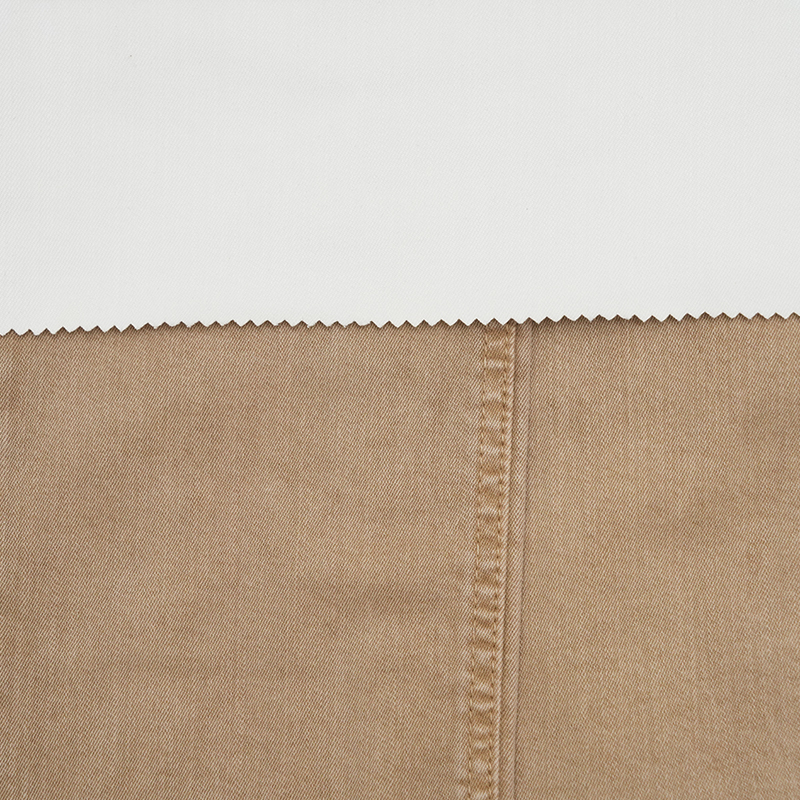 Cotton Blend Dyed Fabrics for Woven ProgramsA range of cotton-blend dyed cloths including cotton-Tencel, cotton-modal, and stretch twills. Relevant here because blending fibers can take dye at different rates, so mill blend experience directly affects shade consistency.View Product →
Dyeing Banana Fiber: What Actually Controls the Result
Because banana fiber is cellulosic, the reactive dye classes used on cotton apply here, which is good news — no exotic chemistry is required. The variables that decide quality are more mundane. Residual lignin and waxes mean an under-scoured ground will mute and yellow every pale shade, so scouring and bleaching must be calibrated rather than guessed. Batch variation is the second issue: fiber from different farms and seasons carries different natural color, which shifts the same recipe onto visibly different shades. In a cotton blend, the two fibers may also take dye at slightly different rates, and that is precisely where a mill's blend experience shows.
This is why a properly prepared ground matters even more with specialty fibers than with commodity cotton:
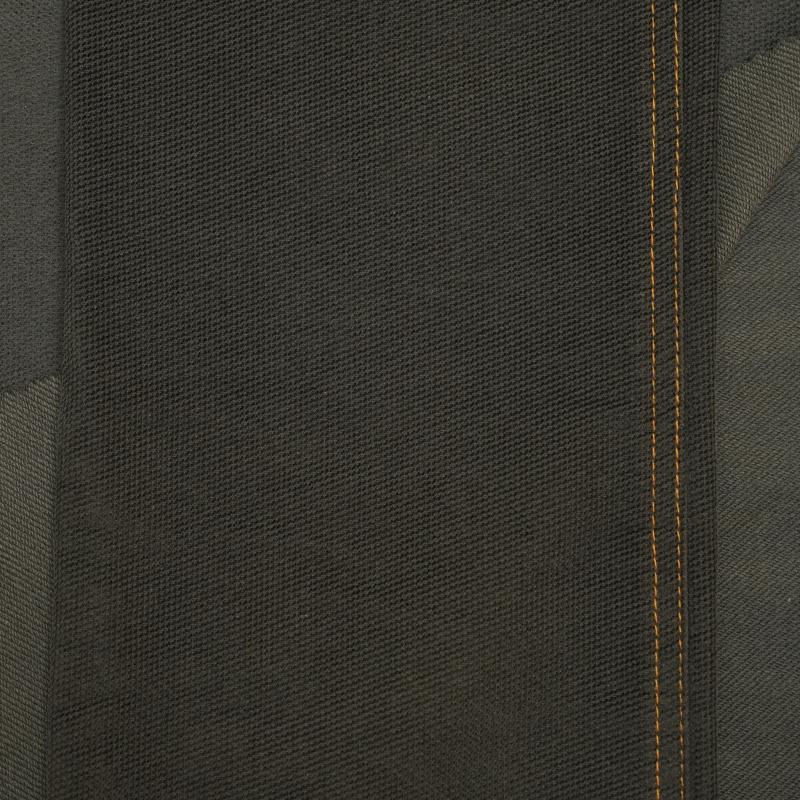
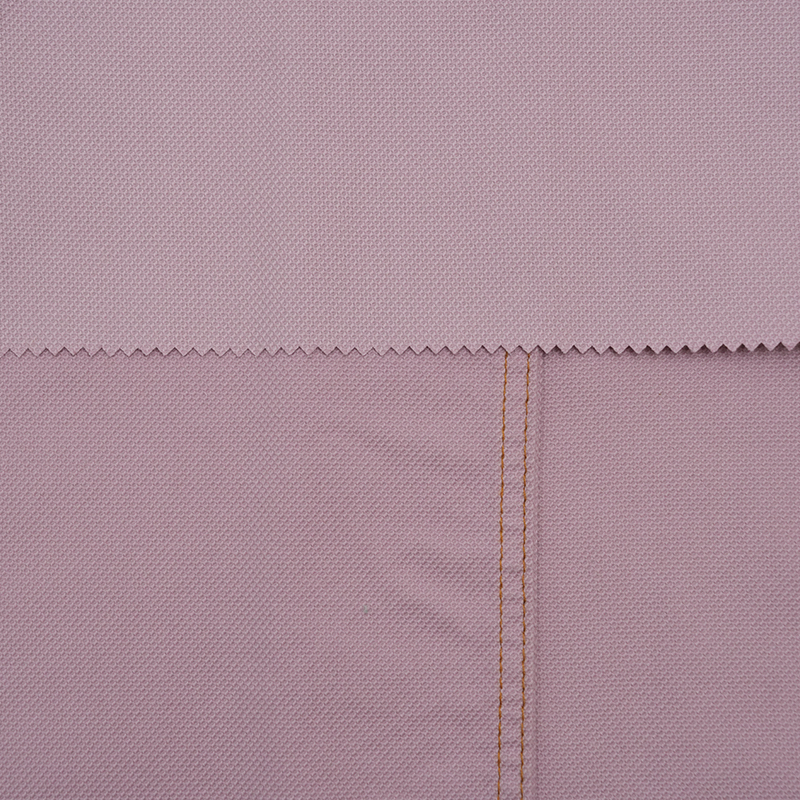 Cotton Prepared for Dyeing ClothPrepared-for-dyeing cotton fabrics such as poplins, dobby, and jacquard constructions. A clean, uniformly prepared ground gives predictable dyeing results, which matters even more when working with specialty fibers like banana.View Product →
A clean, uniform ground gives the dyer a predictable starting point, and pairing unusual fibers with lower-impact chemistry is exactly the territory covered in sustainable approaches to fabric dyeing.
The Sustainability Case, Including the Honest Caveats
The genuine advantages are easy to state. The fiber comes from an existing agricultural byproduct, so it needs no additional land, water, or fertilizer beyond what banana farming already consumes. It is fully biodegradable. And selling sheaths gives farmers a second income stream from a crop they already grow. These are structural benefits, not marketing gloss.
The caveats deserve equal airtime. Extraction is labor-intensive, which limits scale and keeps consistent supply tight. Certification is another gap: recycled-content standards such as GRS do not apply to banana fiber, so a supplier claiming sustainability should be asked for traceability documentation and dye-chemistry compliance rather than a generic eco label. It also helps to work with mills that already handle certified inputs — GRS-certified recycled cotton in corduroy is one established example — and to understand how recovered fibers earn their place in mainstream dyed fabrics before committing to a niche-fiber supplier.
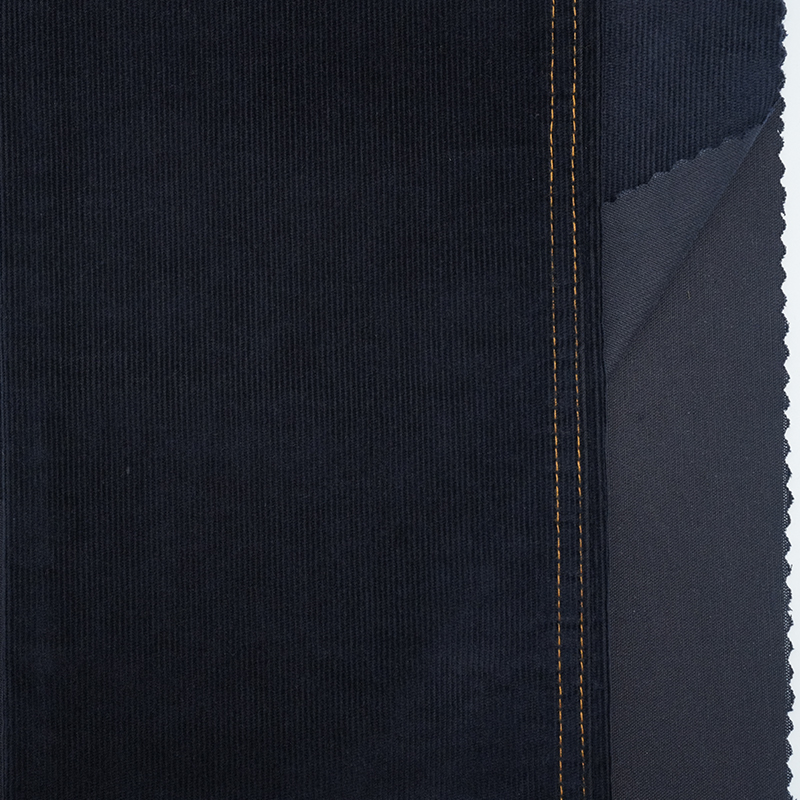
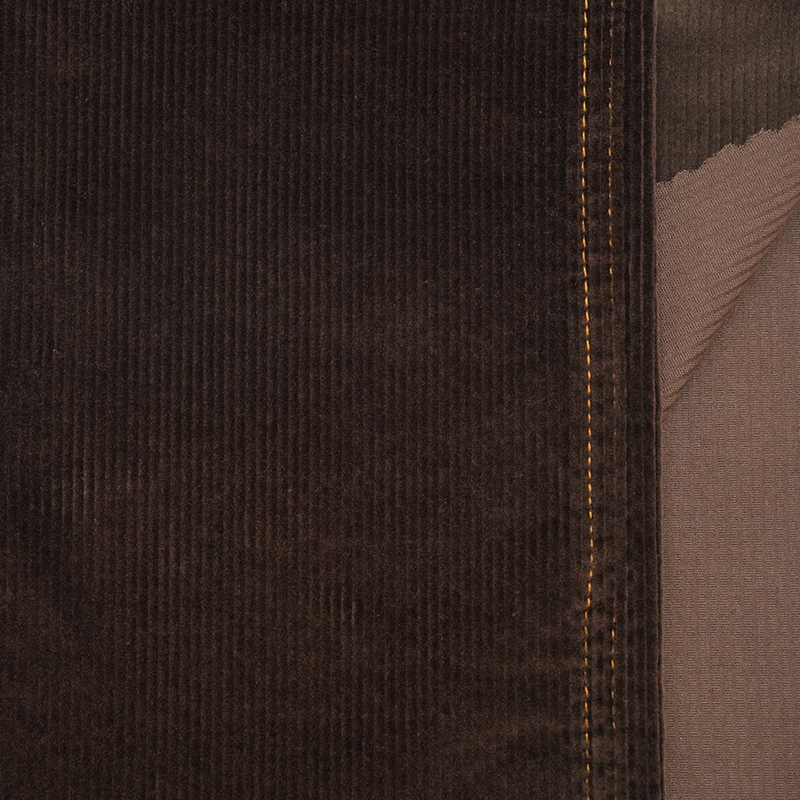
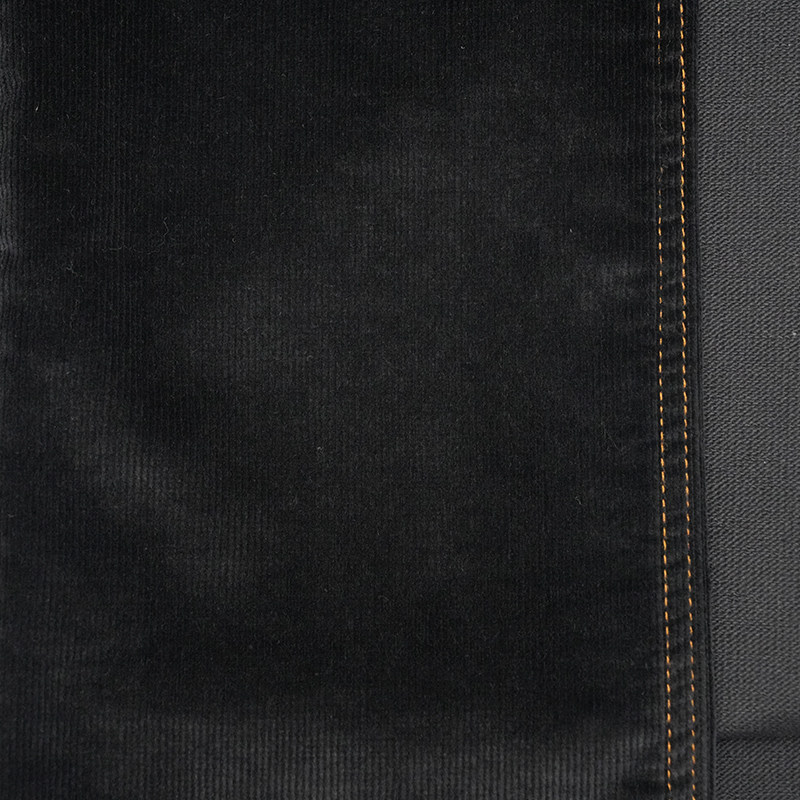
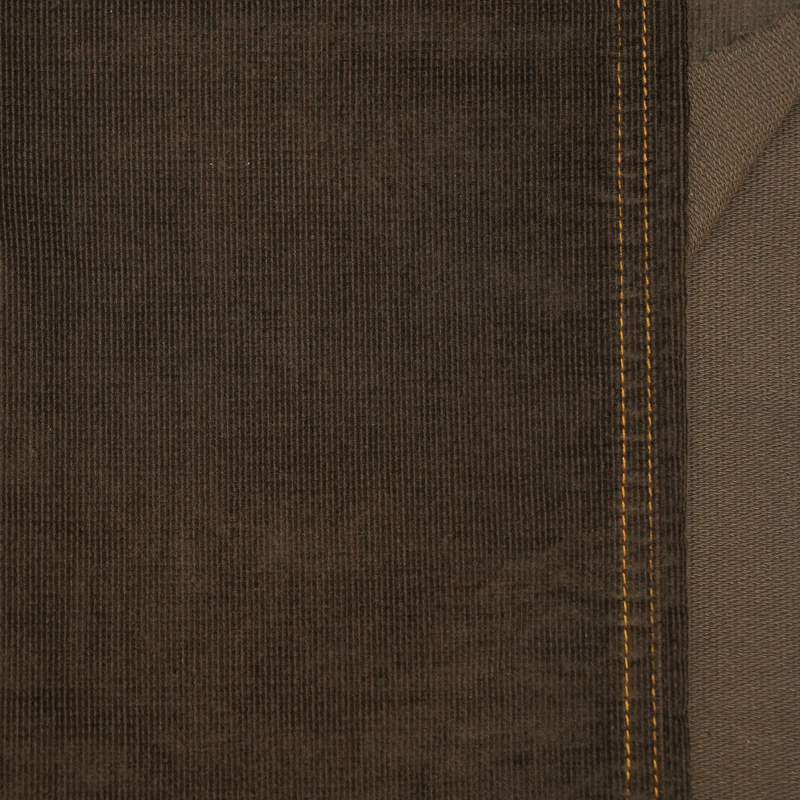
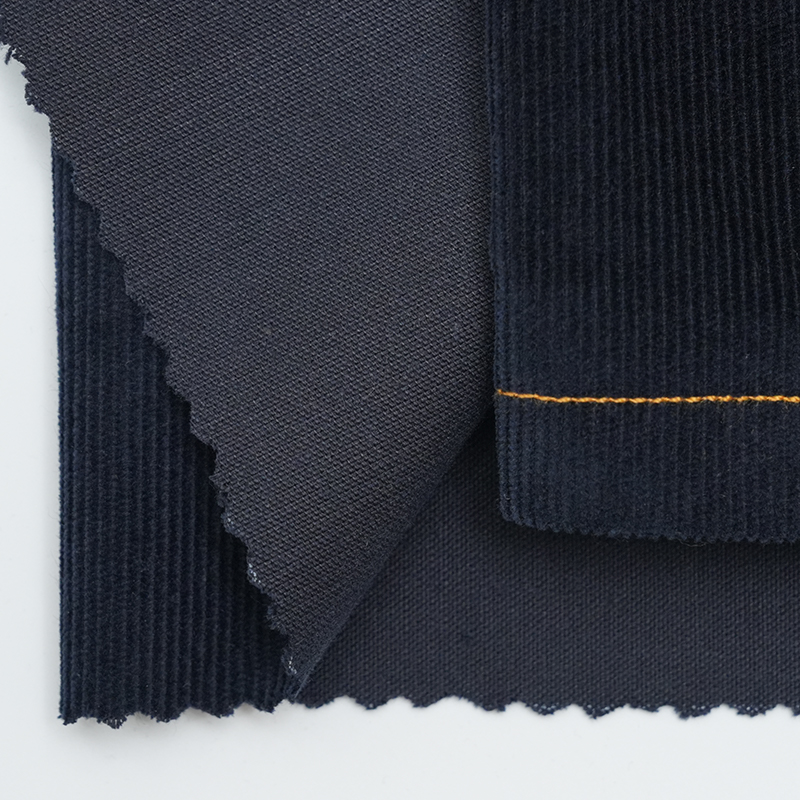 GS1155 14W GRS Cotton Corduroy Dyed FabricA 14W corduroy of 78% cotton, 20% GRS recycled cotton, and 2% spandex, 290 GSM. Shows how recovered fibers already earn a place in mainstream dyed fabrics, a useful benchmark before choosing niche-fiber suppliers.View Product →
A Practical Checklist Before You Commit
- Ask for the exact fiber composition and blend ratio, supported by a test report, rather than the vague label "banana fabric."
- Confirm the spinning system and blend partners, since yarn regularity predicts both hand and dye appearance.
- Request lab dips on the actual ground fabric and agree on wash, rub, and light fastness targets before bulk dyeing.
- Set expectations for shrinkage and dimensional stability, because low-elongation bast fibers change how a woven fabric relaxes after finishing.
- Match every sustainability claim to evidence you can support, from traceability to dye compliance.
Banana fiber will not displace cotton, and it does not need to. Its realistic role is as a blending fiber that adds luster, a distinctive dry hand, and an agricultural-waste story to fabrics that mills already know how to weave and dye. Treated that way — with honest blend ratios, a properly prepared ground, and shade control run with the same discipline as any specialty program — it is a credible, low-regret way for brands to test consumer appetite for byproduct fibers. Start with small trials on familiar constructions, judge the results on the dyed cloth rather than the yarn label, and scale only what survives that test.
Related Products

-

- Address: No.8 Longxuan Road, Lijia Town, Wujin District, Changzhou, China
- Phone: +86-13301509168
- Email: [email protected]
- BE THE FIRST TO KNOW
- For exclusive deals and latest offers, sign up by entering your email address below.
- QUICK LINKS
RELATED CERTIFICATIONS: