English
 中文简体
中文简体 Tiếng Việt
Production of various high-end fabrics reaches 7 million meters annually, including a wide range of fashionable new products and exquisite items, with a broad coverage of color patterns.

Dyes and Fabric: How to Match Dye Types to Fibers for Strong, Lasting Color
2026-08-27
Content
- 1 Match the Dye to the Fiber Before Choosing a Shade
- 2 What Natural Dyes Deliver, and What They Demand
- 3 Preparation Decides How Evenly Fabric Takes Dye
- 4 What to Verify Before You Commit to a Color
- 5 Textured Cloth: Corduroy, Jacquard, and Recycled Fiber
- 6 Why an Integrated Chain Keeps Color Predictable
A blouse and a pair of trousers leave the same dye house in the same navy shade. After five domestic washes, the blouse still looks new; the trousers have faded to a washed-out grey across the knees and seat. The first suspect is always the dye formula, yet the deciding variables usually sit earlier in the chain: whether the dye chemistry matched the fiber, and how thoroughly the cloth was prepared before it entered the bath. That is the essential relationship between dyes and fabric — the fiber determines which dye can bond at all, and preparation determines how evenly it bonds. Settle those two questions and nearly any color plan becomes workable; ignore them and no recipe adjustment will rescue the shade.
Match the Dye to the Fiber Before Choosing a Shade
Every commercial dye class is engineered around a specific fiber chemistry, so the sensible order of decisions is fiber first, dye class second, shade last. Three groups cover most woven cloth:
- Cellulose fibers — cotton, linen, rayon, modal, and Tencel lyocell — accept fiber-reactive dyes, which form covalent bonds with the fiber and hold up through repeated laundering; direct dyes cost less but wash down faster.
- Protein fibers — wool and silk — take acid dyes in a mildly acidic bath. These dyes bond well under controlled pH, but high alkalinity or excessive heat damages the fiber itself, so wool recipes are guarded carefully.
- Polyester requires disperse dyes, which diffuse into the fiber at roughly 130 °C under pressure. A cotton recipe applied to polyester yields almost no shade, and the reverse is just as true.
Blends complicate the map. A cotton-polyester twill needs two dye systems — reactive for the cotton, disperse for the polyester — applied in sequence or in one tightly controlled bath. Cotton-modal and cotton-Tencel fabrics are friendlier: both components are cellulosic, so a single reactive dye shades both fibers, each of which takes it slightly differently. The result is a subtle two-tone depth rather than a flat color, which is one reason these blends are favored for shirting and dresses. On a cotton-Tencel twill specifically, the lyocell component reflects light a little more than the cotton, so the twill line carries a quiet sheen while the shade stays level:
cotton-Tencel dyed twill cloth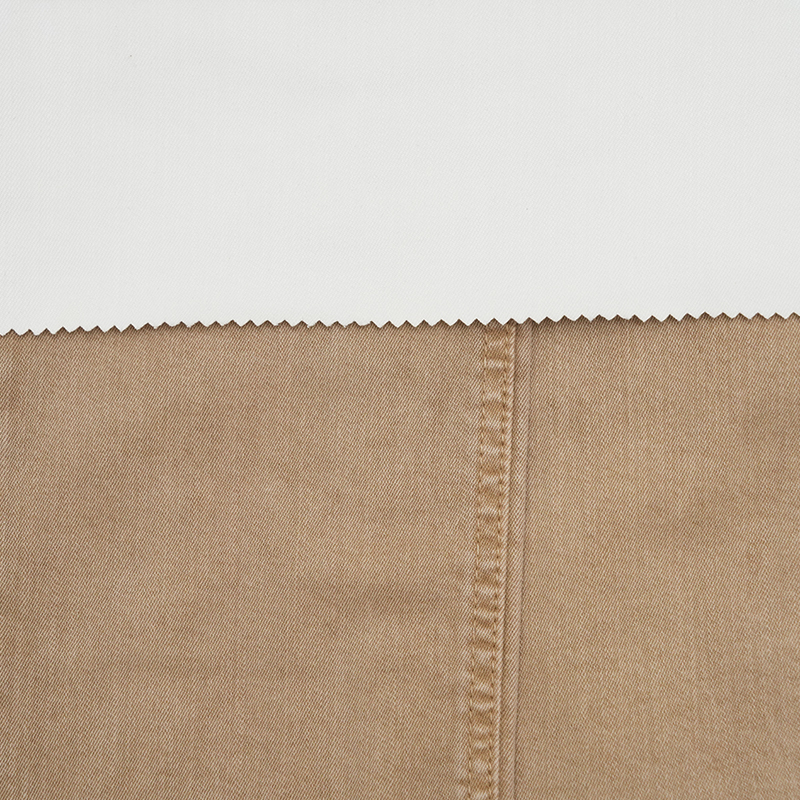 Cotton-Tencel Twill Dyed Cloth for Shirting and DressesA cellulosic blend where a single reactive dye shades both fibers, giving subtle two-tone depth. The lyocell component adds a quiet sheen along the twill line while the shade stays level.View Product →
The same logic appears in household dyeing instructions, which are worth reading even for industry buyers because they compress the chemistry into practical form: salt helps exhaust dye onto cellulose fibers such as cotton and rayon at roughly one cup per gallon, while vinegar acidifies the bath for wool and nylon. The chemicals differ from mill recipes, but the underlying principle — the dye must suit the fiber — holds at any scale.
What Natural Dyes Deliver, and What They Demand
Natural dyes extracted from plants, nuts, berries, and insects sit in a different category. They work best on natural fibers, they almost always need a mordant — alum, iron, or tannin — to fix the color, and a common starting ratio is three parts dye material to one part fabric by weight. Simmer the plant material, strain the bath, and dye at low heat for an hour or more.
The appeal is real: soft, living shades that shift with water hardness, harvest season, and mordant choice. The constraint is just as real. Batch-to-batch variation is inherent, the light fastness of many natural shades is moderate, and reproducing one approved swatch across thousands of meters is a production problem that plant dyes were never designed to solve. A craft studio can embrace that variation; a brand shipping the same jacket style for two seasons cannot.
This is why mills pursuing sustainability generally arrive elsewhere: low-impact fiber-reactive dyes with high fixation rates, closed-loop water treatment, and certified inputs such as GRS recycled fiber. For a manufacturer's view of that balance, this overview of eco-conscious approaches to fabric dyeing covers dye selection, water use, and certification in practical terms.
Preparation Decides How Evenly Fabric Takes Dye
Greige fabric — cloth fresh off the loom — carries wax, pectin, sizing, and spinning oils. Dye applied to unprepared cloth beads off the surface, strikes unevenly, or leaves pale specks and streaks that no after-treatment removes. Scouring strips these contaminants and bleaching lifts the base to a neutral white, which is why both steps precede nearly every serious dyeing run.
Prepared-for-dyeing, or PFD, fabric takes this a step further: the cloth is scoured, bleached, and finished without color, then delivered ready for garment dyers and custom shade programs. With the residual impurities gone, the fiber wets out uniformly and the dye strikes evenly, producing fewer resist marks and better repeatability between batches. The difference in moisture uptake between PFD and greige cloth is measurable, and it translates directly into shade consistency. The mechanics are explained in more detail in this guide to how PFD fabric improves dye absorption.
cotton prepared-for-dyeing cloth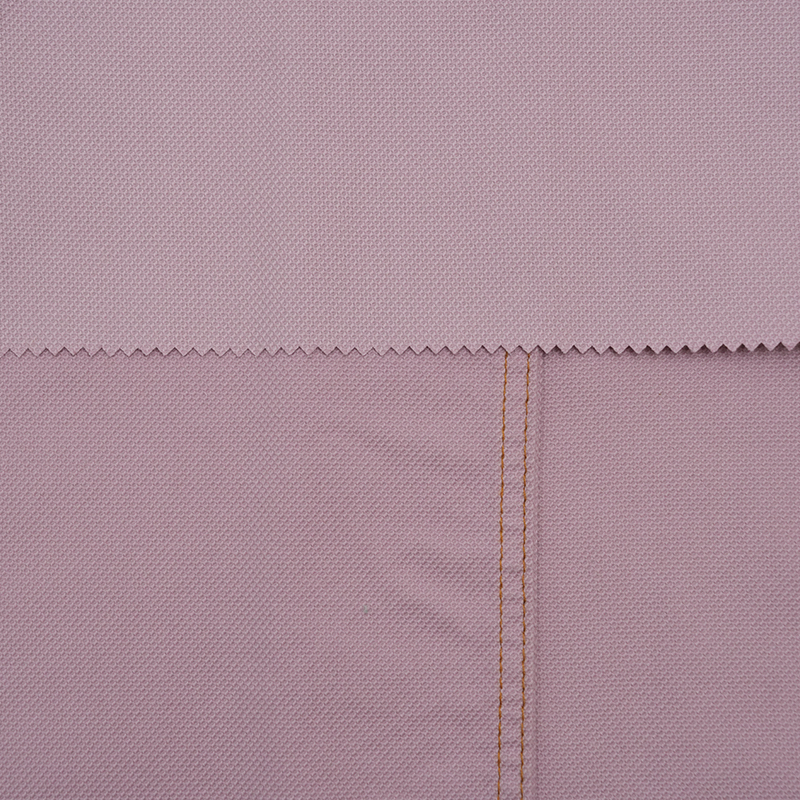 Cotton Prepared-For-Dyeing (PFD) ClothScoured, bleached, and finished without color, this cloth wets out uniformly and strikes dye evenly, making it a dependable base for garment dyeing and custom shade programs with consistent batch repeatability.View Product →
PFD cloth is the standard base for garment dyeing, where garments are cut and sewn first and dyed afterward. The approach delivers one continuous shade across panels and seams, but it only works when every component tolerates the bath — thread, buttons, and zips included — and when shrinkage has been pre-controlled at the finishing stage.
What to Verify Before You Commit to a Color
Color on a swatch card is the start of the conversation, not the end of it. Before placing an order, four checks separate a reliable dyed fabric from a problematic one:
- Fastness data. Ask which tests were run — washing, crocking (dry and wet rubbing), light, and perspiration — and against which standard, such as ISO or AATCC. Grey-scale ratings run from 1 to 5, and most apparel applications should target 4 or better for wash and rub.
- Batch shade control. Request a lab dip before bulk production and agree on a tolerance for shade variation within a roll and from roll to roll.
- Construction effects. Dense weaves and pile fabrics hold and show dye differently from open poplins, and any coating applied after dyeing will shift the visible shade slightly.
- Blend chemistry. Confirm the exact fiber percentages, because the dye system — and sometimes two systems in sequence — depends on them.
| Fiber or blend | Fitting dye class | Check before ordering |
|---|---|---|
| 100% cotton (corduroy, poplin, twill) | Fiber reactive | Wash and crocking ratings; pile penetration on corduroy; shade match roll to roll |
| Cotton-modal or cotton-rayon | Fiber reactive | Two-tone depth between fibers; hand and shrinkage after finishing |
| Cotton-Tencel | Fiber reactive | Surface luster; clarity of the twill line after dyeing |
| Cotton-polyester | Reactive plus disperse, in sequence | Cross-dye consistency; whether deep shades need dope-dyed polyester |
| Wool or silk blends | Acid dye | pH and temperature control; hand feel after dyeing |
None of these checks costs much; all of them cost far less than rejecting a shipment.
Textured Cloth: Corduroy, Jacquard, and Recycled Fiber
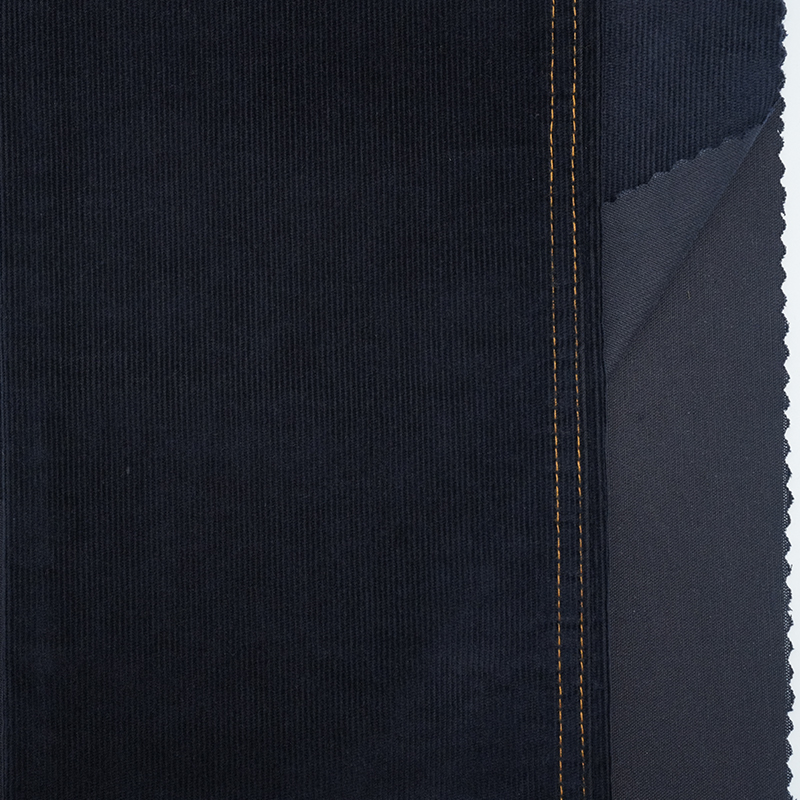
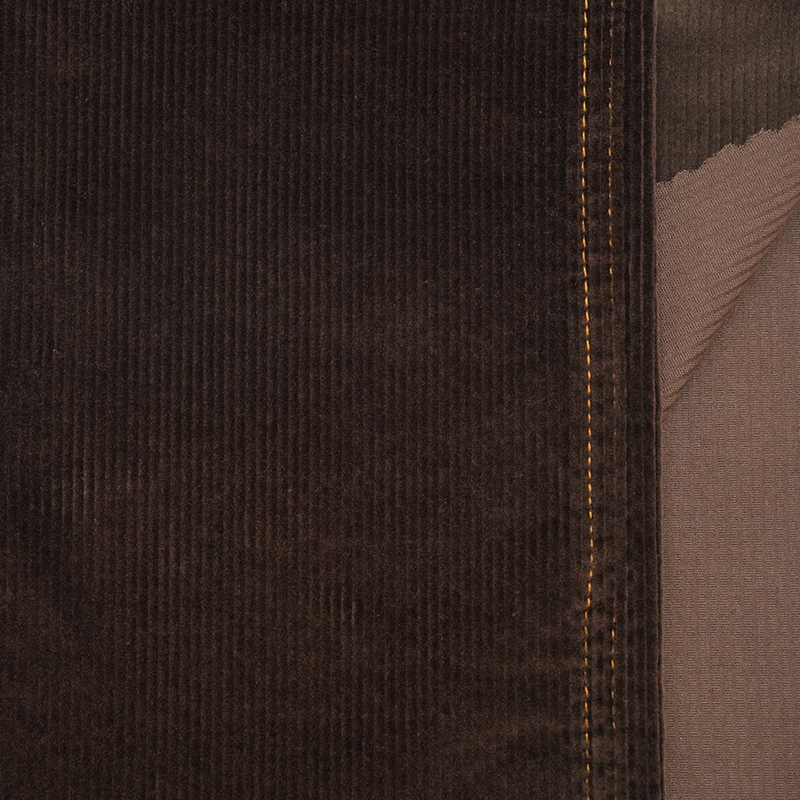
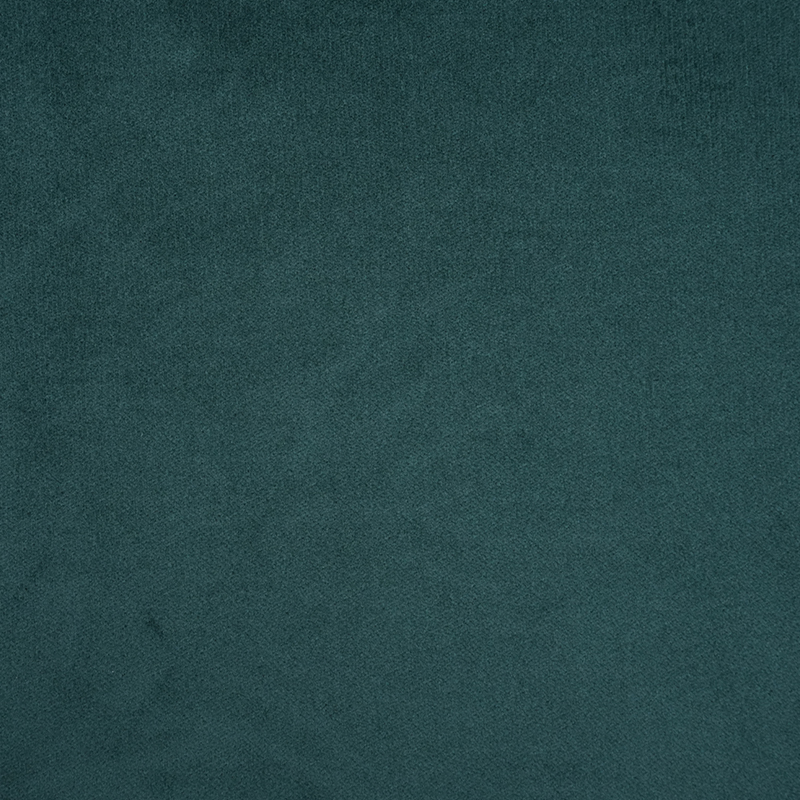
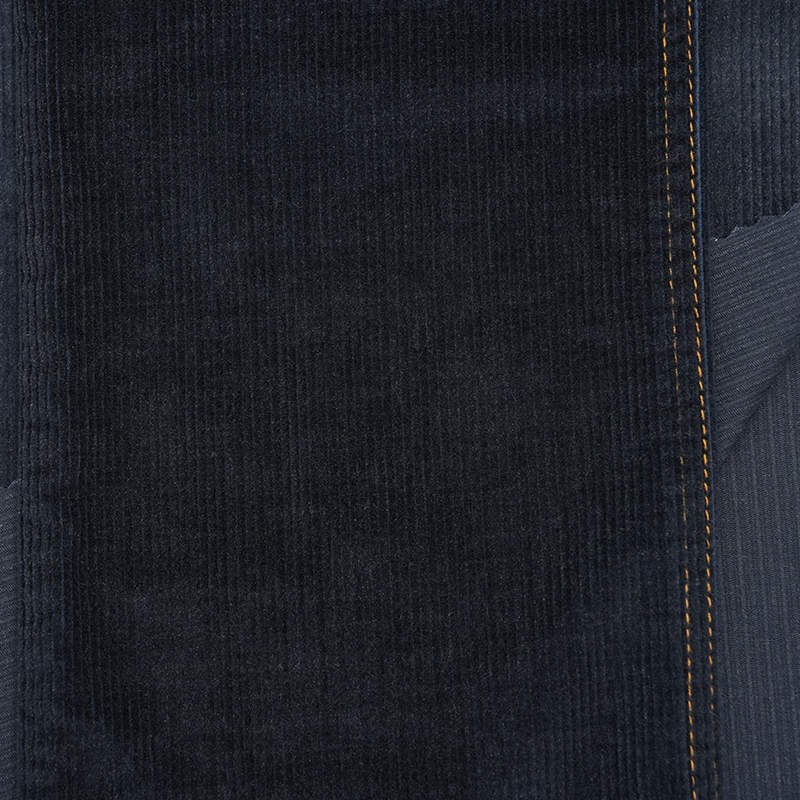
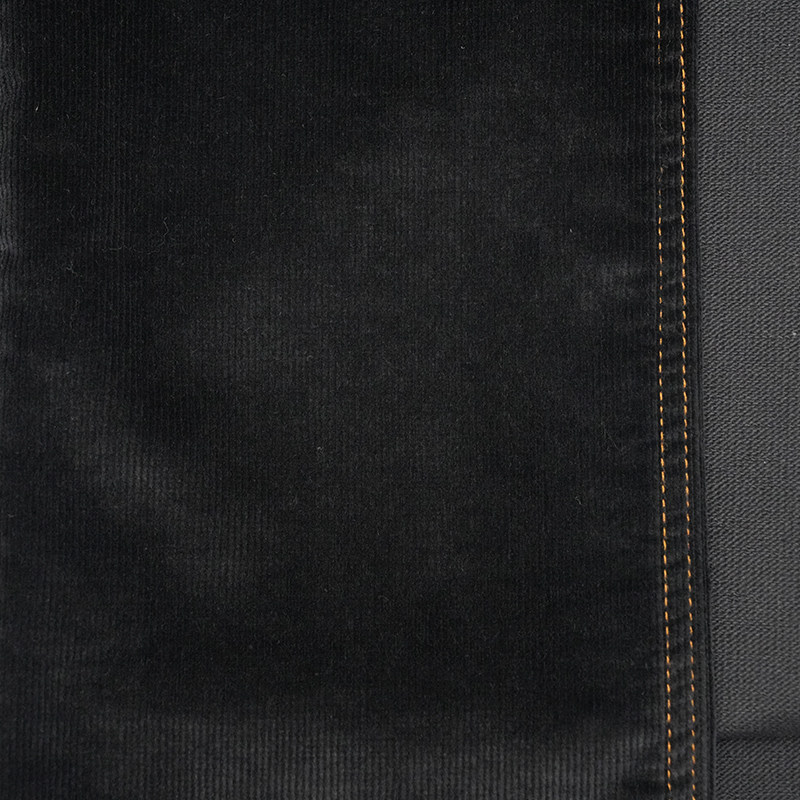
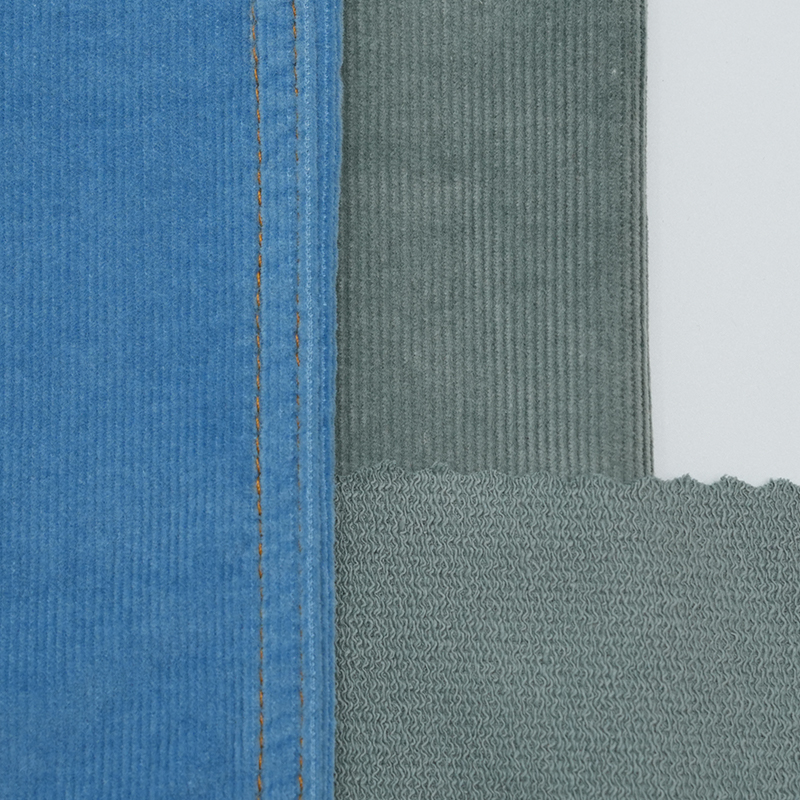
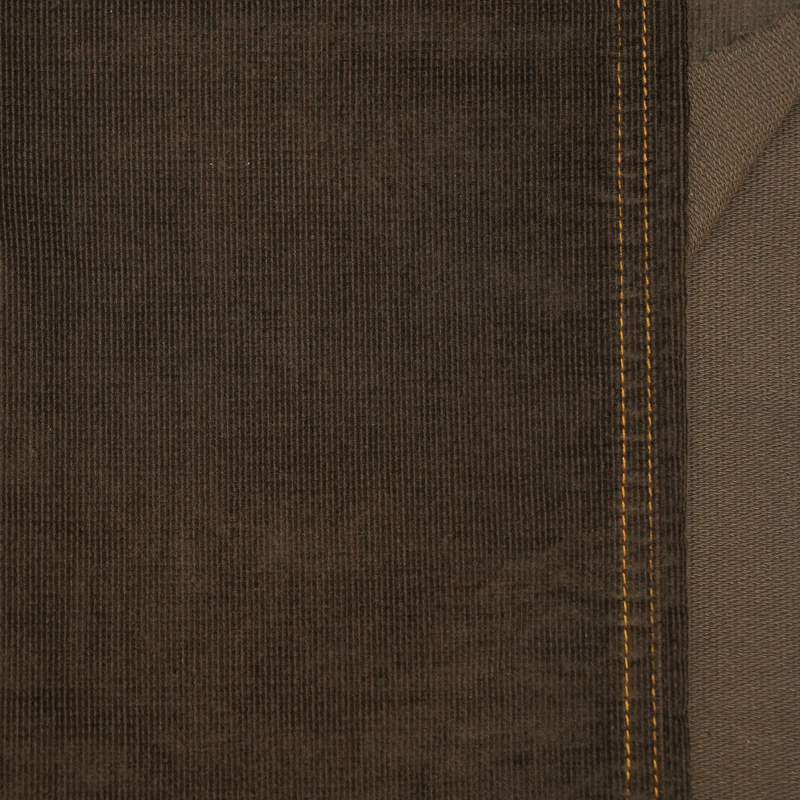
Weave structure adds its own demands. Corduroy is a pile fabric: the ridges — wales — are cut and brushed, and dye has to reach both the pile and the ground weave evenly or the grooves read pale against the ridges. Wale count changes the arithmetic, since a 14-wale construction presents more cut pile surface than a fine 24-wale velveteen, and jacquard or dobby corduroy weaves several yarn types into one cloth, each of which must shade as intended.
Recycled cotton introduces a further variable. GRS-certified recycled fiber arrives with residual color from its previous life, so dyeing it to a uniform shade takes tighter bath control and, in practice, favors deeper tones. Done well, the result is indistinguishable from virgin-fiber cloth; done carelessly, the shade drifts from batch to batch:
cotton corduroy dyed fabric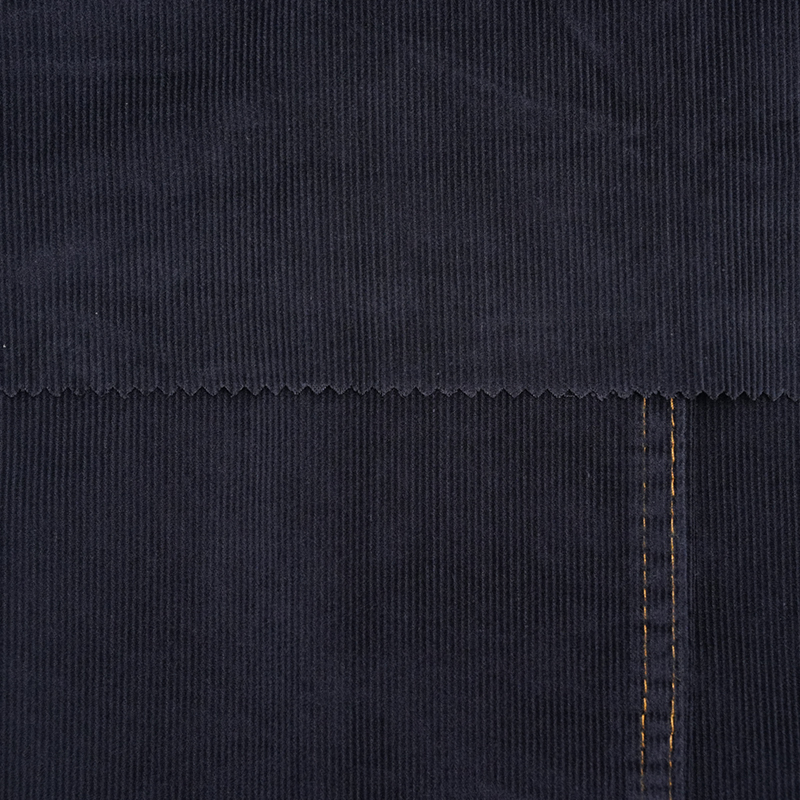 Cotton Corduroy Dyed FabricDyed corduroy constructions, including GRS-certified recycled cotton options, where tighter bath control matters. Narrow margins for error in the dyebath make mill experience especially valuable on these fabrics.View Product →
These are the constructions where mill experience shows most clearly, because the margin for error in the dyebath is narrower than on a flat, plain-woven cloth.
Why an Integrated Chain Keeps Color Predictable
Much of what determines the final shade happens before dyeing: the yarn lot, the weaving tension, the sizing recipe. That is the case for a vertically integrated supplier. When spinning, weaving, dyeing, and finishing sit in one chain, a shade problem can be traced to its source instead of being argued across three vendors. This is how Changzhou Huiya Textile is organized — an integrated producer of dyed woven fabric in Changzhou, in the Yangtze Delta region, producing roughly seven million meters of fabric annually, with equipment renewed year on year.
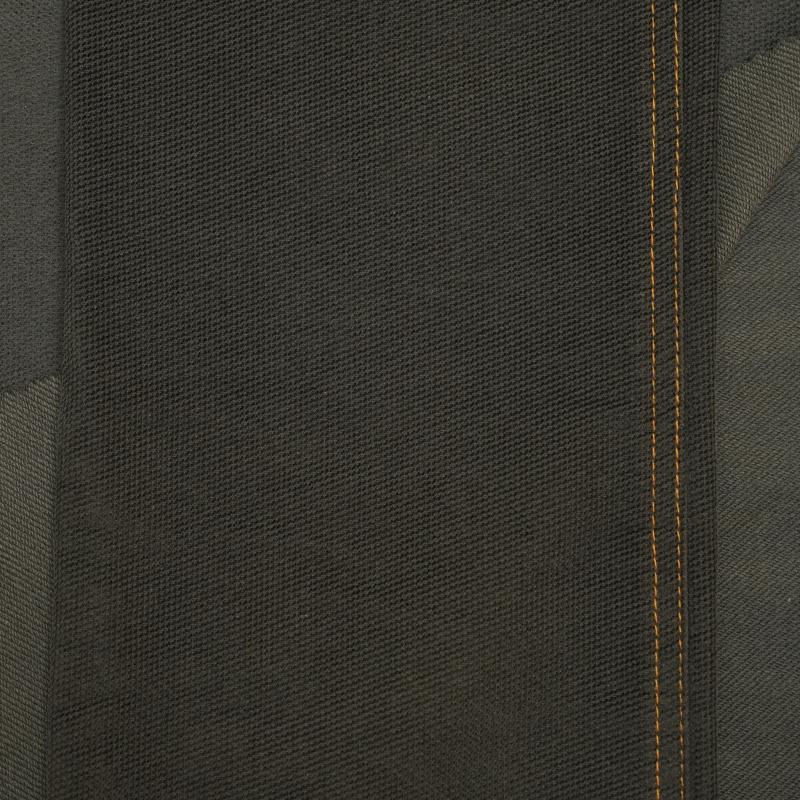
The product range follows the logic of this article: cotton and cotton-blend corduroy in plain, jacquard, and dobby weaves; modal, rayon, and Tencel-cotton dyed cloth for fashion applications; PFD cloth for garment dyeing programs; and coated dyed cloth for outdoor, sports, and industrial uses. Several corduroy and twill articles carry GRS certification for recycled content, pairing the color consistency discussed above with traceable sustainability claims.
The practical sequence, then: confirm the fiber content first, match the dye class to it, insist on proper preparation — PFD cloth wherever garment dyeing is planned — and put fastness and shade data in writing before bulk production. Dyes and fabric succeed as a system; treat the fiber as the fixed half of that system and the color plan falls into place around it.
Related Products

-

- Address: No.8 Longxuan Road, Lijia Town, Wujin District, Changzhou, China
- Phone: +86-13301509168
- Email: [email protected]
- BE THE FIRST TO KNOW
- For exclusive deals and latest offers, sign up by entering your email address below.
- QUICK LINKS
RELATED CERTIFICATIONS: