English
 中文简体
 Tiếng Việt
Production of various high-end fabrics reaches 7 million meters annually, including a wide range of fashionable new products and exquisite items, with a broad coverage of color patterns.

Synthetic Dyes in Woven Fabric: A Buyer's Guide to Classes and Fastness
2026-10-23
Content
- 1 Synthetic Dyes: A Definition That Survives a Factory Audit
- 2 Six Dye Classes Cover Most Woven Orders, and Each Fails Differently
- 3 Matching Dye Class to Fibre Sets the Fastness Ceiling
- 4 Lab Dips Confirm Colour, Not Production Behaviour
- 5 Fastness Numbers Worth Writing Into the Specification
- 6 Where Bulk Dyeing Goes Wrong, and What It Looks Like
- 7 Cost, Effluent and the Sustainability Question
- 8 What to Put on the Purchase Order
- 9 Frequently Asked Questions
A 12,000-metre order of 14-wale cotton corduroy was approved on a lab dip in March and rejected in May. The shade matched; the fastness did not. The dyehouse had moved from a vat route to a reactive route to hold a delivery date, and the purchase order had never named a dye class at all.
Synthetic dye decisions are made long before fabric reaches a cutting table, and they are usually made by people who will not be in the room when your customer runs a crocking rub or a 40-degree wash. What follows is what buyers of woven cotton, cellulosic blends and coated cloth need on paper before the next bulk order: the dye families that matter, how fibre choice constrains them, how to read a lab dip, which fastness values to demand, and where bulk dyeing actually goes wrong.
Synthetic Dyes: A Definition That Survives a Factory Audit
A synthetic dye is a colourant synthesised in a chemical plant from petrochemical or coal-tar intermediates, and in commercial trade it is named by a Colour Index (CI) number that fixes its chemical family and the method used to apply it.
Mauveine, produced by William Perkin in 1856, was the first commercially successful example, and within two generations it had displaced natural indigo, madder and cochineal from the European textile trade. Azo, anthraquinone and phthalocyanine chemistry followed, and the CI system was built precisely so that a mill in one country and a brand in another could argue about the same molecule by name.
Working definition: a synthetic dye is an organic colourant manufactured from petrochemical or coal-tar intermediates, specified by CI number, dye class and application method. Two rolls of identical navy can carry different CI numbers, different fastness and a completely different effluent load.
"Navy" is a colour, not a specification. That navy might be a reactive dye on cotton, a vat dye on the same cotton, a sulfur dye on a workwear twill, or a pigment held on the surface of a coated fabric. In a light box they are indistinguishable. In a wash test, a chlorine bleach spot or a two-year storage trial they behave nothing alike. A buyer who writes only "navy, 4-5 wash fastness" has handed the choice of chemistry to the mill. The fibre-to-dye matching logic behind that choice is set out in this guide to matching dye types to fibres.
Six Dye Classes Cover Most Woven Orders, and Each Fails Differently
Six dye families carry nearly all woven apparel and home textile production, and the fastness ceiling each one sets is the most useful thing to compare when quotations arrive at different prices.
| Dye class | Main fibres | Fastness ceiling | Where it bites |
| Reactive | Cotton, viscose, modal, tencel, linen | Wash 4-5, light 4-5 | Fixation around 60-70 percent; 40-100 g/L salt; turquoise and several blues fade first |
| Vat | Cotton, linen, denim | Wash 4-5, light 6-7 | Highest chemical cost; reduction step; limited range of bright shades |
| Direct | Cotton, viscose | Wash 2-3 unfixed, 4 fixed | Cationic fixative shifts shade; weak wet rubbing |
| Sulfur | Cotton, denim, workwear | Wash 4-5, light 3-4 | Sulfide-bearing effluent; darks only; tender shades on fine yarns |
| Disperse | Polyester, acetate, nylon | Wash 4, light 5-6 | Thermal migration; stains the cotton side of a blend |
| Acid | Wool, nylon, silk | Wash 4, light 4-5 | No affinity for cellulose; metal-complex types add effluent load |
A quotation that is 15 percent cheaper usually differs in the fourth column, not in the shade.
Pigment and binder systems sit just outside this list and matter for coated fabrics, where the colour is a surface film rather than a fibre that has absorbed dye. That is a different discussion with different abrasion and crocking behaviour.
Matching Dye Class to Fibre Sets the Fastness Ceiling
The fibre blend on the order, not the colour card, decides which dye class is available, and the available class sets a hard ceiling that no finishing recipe can lift.
- Cotton and linen: reactive is the default; vat is specified for workwear, industrial laundering and shades that must survive bleach.
- Viscose, modal and tencel: reactive dyes fix well, but the fibre is alkali-sensitive, so caustic dosing and batching time control strength loss and surface fibrillation.
- Polyester and poly-cotton: disperse on the polyester, reactive on the cotton; in a single bath the disperse dye can stain the cotton side, and heat in storage can pull dye back to the surface.
- Wool and wool blends: acid or metal-complex dyes, often in a two-stage route alongside the cellulosic component.
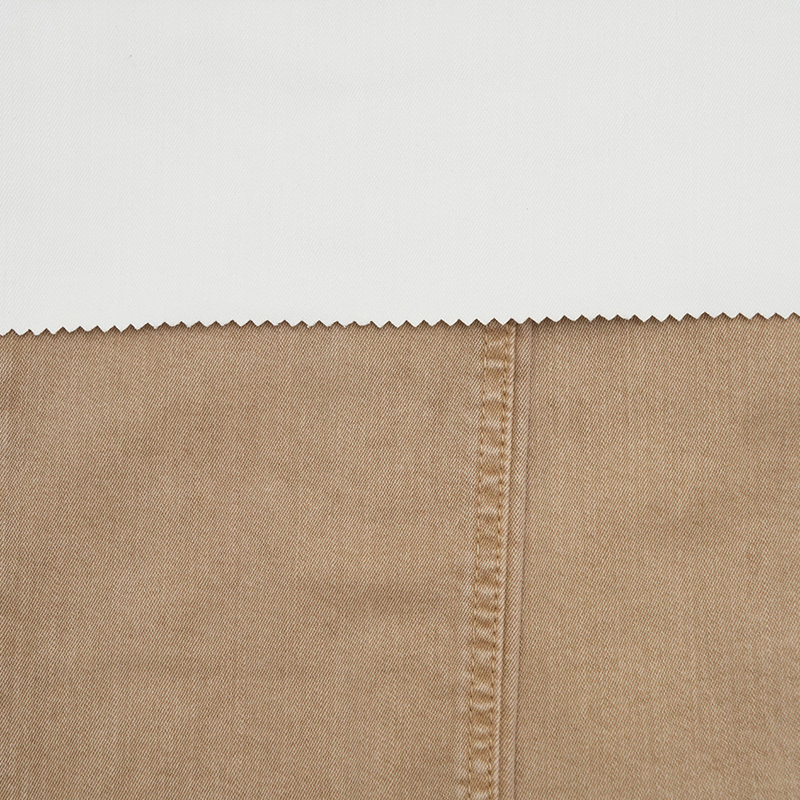 Cotton-Tencel Twill Dyed Cloth with StretchThis cotton-Tencel stretch twill combines a soft, breathable hand with durability and drape, making it relevant for casual, workwear and fashion apparel.View Product →
A colour can be matched on almost any substrate. A fastness standard cannot.
This is why a mill that dyes pure cotton beautifully may still struggle with a cotton-tencel twill: the same reactive chemistry behaves differently when one third of the fibre is regenerated cellulose, and the rinse sequence has to change with it.
Lab Dips Confirm Colour, Not Production Behaviour
A lab dip is a colour agreement, not a performance agreement, so treat approval as the first of four steps rather than the end of the conversation.
- Fix the standard first. Name the test methods before the first dip: ISO 105-C06 for washing, ISO 105-X12 for rubbing, ISO 105-B02 for light, with the illuminant (usually D65) and a shade tolerance of delta E 1.0 or better on CMC 2:1.
- Approve the dip on the real substrate. A dip struck on someone else's greige proves very little; the preparation of your own fabric, its pH and its absorbency are part of the result.
- Run a pilot of 50 to 100 metres on production equipment, then measure shade at both selvedges and the centre, and at the head and tail of the run. This is where listing and tailing first appear.
- Hold first-off bulk samples and re-test fastness. Colour measured on the first 10 metres is not a bulk result, and neither is a fastness figure quoted from the laboratory dip.
Metamerism is the quiet failure. Two samples can match under D65 and separate under the warm fluorescent light of a shop floor. Always ask which illuminants were checked, and ask to see the readings, not the summary.
Fastness Numbers Worth Writing Into the Specification
Four measured values catch most bulk disputes: wash fastness, rubbing fastness, light fastness and shade tolerance between dip and bulk.
4-5 Wash, ISO 105-C06
4 / 3 Rubbing, dry / wet
4-5 Light, ISO 105-B02
1.0 Delta E, CMC 2:1
Deep shades are the usual failure point. Wet rubbing drops when unfixed dye and softener residue sit on the surface, and a thorough soaping-off after dyeing often buys half a point. Light fastness is the figure most often quoted from a supplier's generic technical sheet; ask for the result on your colour, in your depth, measured by a named laboratory, and measured after one domestic wash rather than on the freshly dyed sample.
Where Bulk Dyeing Goes Wrong, and What It Looks Like
Most bulk shade and fastness failures are machine and process faults rather than chemistry faults, and they turn up in the same six places.
- Tailing, or ending effect: the head and tail of a jig or beam batch dye at different rates as the bath exhausts, leaving a measurable gradient along the length.
- Listing: a shade difference from selvedge to centre, usually from uneven padding pressure, weft tension or drying across the width.
- Thermal migration: disperse dye on polyester moves to the surface during storage or pressing, producing a crocking failure weeks after the goods passed inspection.
- Cross-staining: in a one-bath poly-cotton route, disperse dye that should stay on the polyester settles on the cotton and dulls the shade.
- Bronzing and surface dullness: over-reduction, or an overdose of cationic aftertreatment, changes the surface so the colour reads darker and greyer than the dip.
- Patchy fixation: uneven alkali dosing or inconsistent batching time leaves part of the batch under-fixed and part over-shaded.
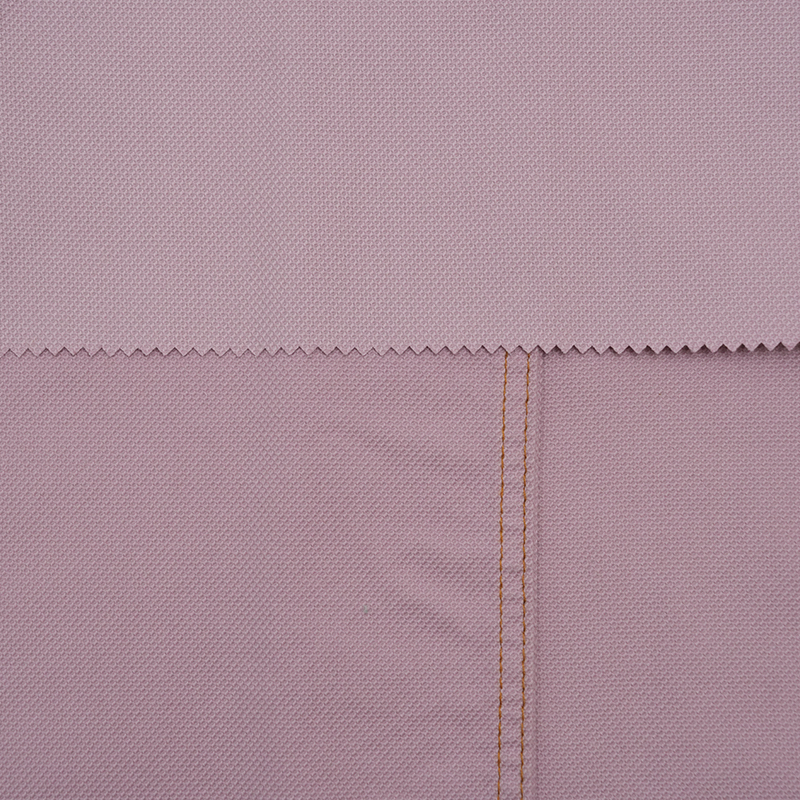 Cotton Prepared for Dyeing Cloth RangeA seven-fabric PFD cotton range for garment dyeing, aimed at fast-selling brands and e-commerce lines needing shorter production cycles.View Product →
Several of these start before the dye vessel. Greige with variable absorbency, residual sizing or a pH outside 6 to 7 will produce a streaky result no dye recipe can rescue, which is why prepared-for-dyeing programmes exist at all.
Cost, Effluent and the Sustainability Question
The cheapest compliant dyeing route is normally the one that fixes the most dye, not the one with the lowest chemical invoice.
Reactive dyeing typically fixes 60 to 70 percent of the dye on the fibre; the rest hydrolyses and leaves in the wash water, along with 40 to 100 g/L of salt in exhaust routes. Vat dyeing costs more per kilogram but reaches a higher fastness and needs no salt. Sulfur colours are inexpensive and wash-fast but carry a sulfide load that requires dedicated treatment. Restricted substance lists, whether REACH Annex XVII, a brand's own list or the ZDHC manufacturing restricted list, increasingly push buyers toward high-fixation and low-salt routes for the same reason: less chemistry in, less chemistry out.
Lowest unit cost
Direct or sulfur routes, shorter rinse cycles, less soaping-off. The saving appears on the invoice and again as a claim when wet rubbing or light fastness is tested.
Lowest total risk
High-fixation reactive or vat routes, full soaping-off, documented effluent treatment. Higher chemical cost, fewer reworks, and a fastness story you can hand to a customer.
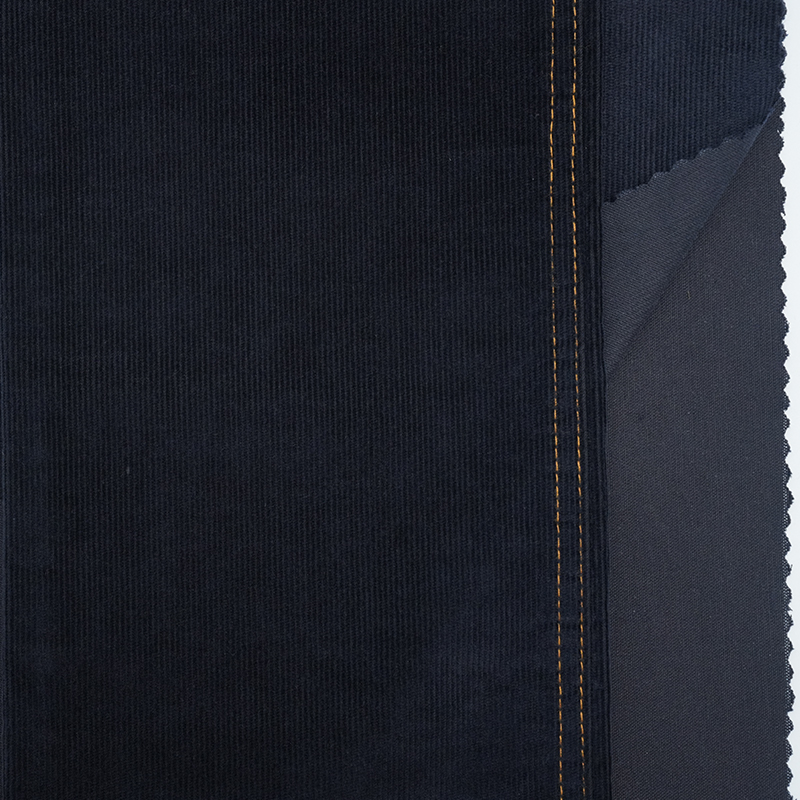
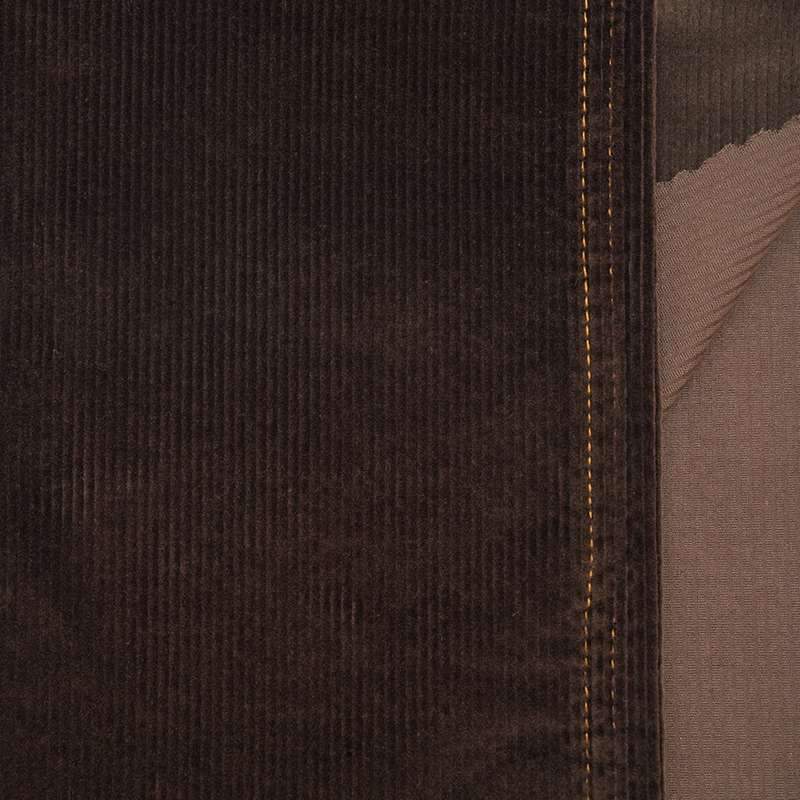
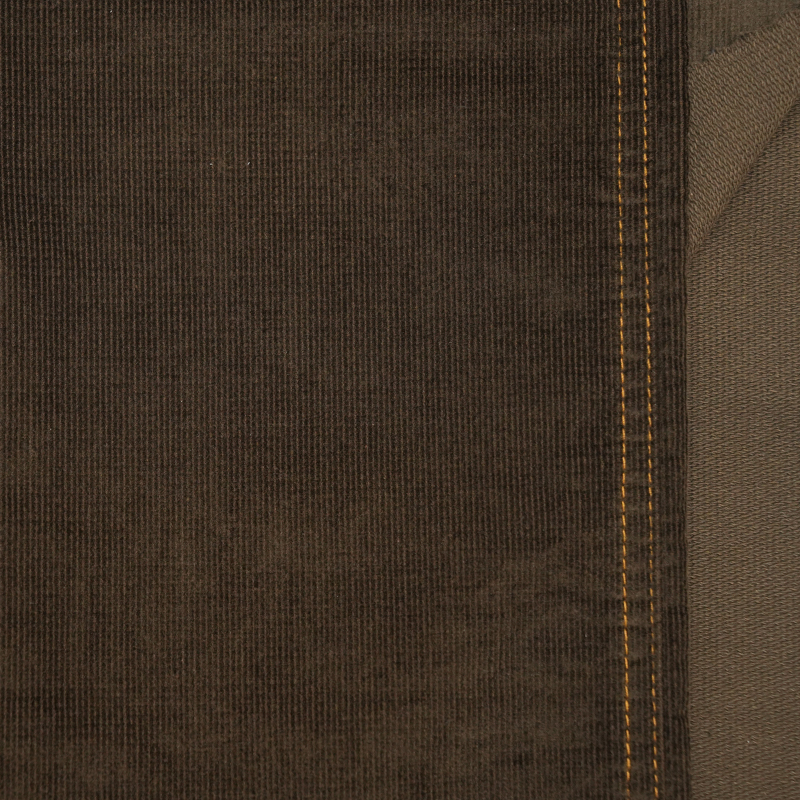
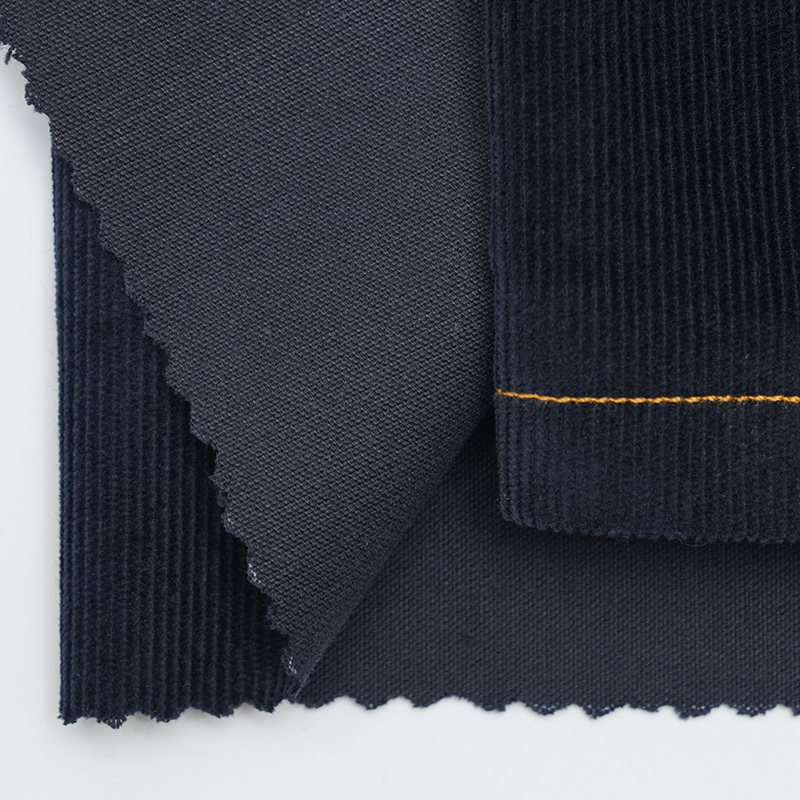 GRS Recycled Cotton Corduroy Dyed FabricA stretch cotton corduroy with recycled content, offering a substantial feel and durability for sustainable fashion applications.View Product →
Recycled content complicates the picture further: recycled cotton fibres are shorter and absorb dye less uniformly, so shade consistency depends more on preparation and on blending than on the colour recipe. Practical options are reviewed in this piece on sustainable dyeing methods and their trade-offs.
What to Put on the Purchase Order
Write the dye class, the test method and the tolerance into the order, because anything left open will be optimised for the dyehouse's cost rather than your risk.
- Dye class and CI reference for every colour, not just a Pantone number
- Substrate, blend percentages and greige source
- Fastness methods with pass thresholds, per colour depth
- Shade tolerance in delta E CMC 2:1, plus the illuminants to check
- pH and absorbency limits for prepared-for-dyeing goods
- Restricted substance list and its version date
- Retention sample per batch, kept for at least twelve months
The retention sample is the cheapest insurance on the list. When a repeat order arrives nine months later and the shade drifts, a sealed sample from the original bulk run settles the argument in ten minutes and tells the laboratory which direction to correct.
Frequently Asked Questions
Are synthetic dyes worse for textiles than natural dyes?
Not inherently. Natural dyes need mordants, vary with the harvest and rarely reproduce a shade to within one delta E. The environmental difference comes from fixation rate, salt loading and effluent treatment, not from whether the molecule was made in a plant or grown in a field.
How can I tell whether a fabric was dyed with reactive or vat dyes?
Ask for the CI number on the mill's technical sheet first. A spot test with dilute chlorine bleach gives a field indication, since most vat dyes resist it while many reactive dyes do not, but the reading is not definitive and should not be used as a contractual test.
What shade tolerance is realistic between lab dip and bulk?
Delta E 1.0 or better on CMC 2:1 is realistic for solid mid-tone shades on cotton. Deep blacks, naves and blends often need 1.5, and the tolerance should be measured at three points across the width plus the head and tail of the batch.
Can an off-shade bulk order be re-dyed?
Sometimes. Topping to darken is common and usually safe; stripping and re-dyeing risks strength loss, changed handle and a fresh metamerism problem. If the shade is out but fastness is already marginal, re-dyeing rarely improves the situation.
Related Products


-

- Address: No.8 Longxuan Road, Lijia Town, Wujin District, Changzhou, China
- Phone: +86-13301509168
- Email: [email protected]
- BE THE FIRST TO KNOW
- For exclusive deals and latest offers, sign up by entering your email address below.
- QUICK LINKS
RELATED CERTIFICATIONS: