English
 中文简体
 Tiếng Việt
Production of various high-end fabrics reaches 7 million meters annually, including a wide range of fashionable new products and exquisite items, with a broad coverage of color patterns.

Dyestuffs Definition Explained: Dye Classes, Fastness and Buyer Checks
2026-10-26
Content
- 1 Dyestuffs Definition: What the Term Really Covers
- 2 Dyestuff, Dye and Pigment: Three Words, Three Behaviors
- 3 How Dyestuffs Are Classified
- 4 What Buyers Actually Test
- 5 Fiber Decides the Class, the Class Decides the Process
- 6 Where Dyestuff Choice Shows Up in the Finished Cloth
- 7 A Short Dyestuff Spec Checklist
- 8 Frequently Asked Questions
Two lots of the same woven fabric can match perfectly under the office light box and then separate under daylight in a shop window. Same loom, same recipe sheet, different dyestuff lot underneath.
A dyestuff is the coloring substance a dyehouse buys, weighs and dissolves before it ever touches cloth. Its behavior sets shade depth, levelness, fastness and how the color ages in wear, which is why the definition matters to buyers and not only to chemists.
Dyestuffs Definition: What the Term Really Covers
A dyestuff is a coloring substance that gives a material color by bonding to it at molecular level, rather than by sitting on top of it as a coating.
That single difference, bonding versus covering, separates dyestuffs from pigments and explains most of the properties a buyer ends up testing. The word is a plain compound of dye and stuff, in use since the nineteenth century for the coloring matter in the form a mill receives it.
In textile work the substrate is nearly always fiber, yarn or woven fabric, but the term also covers paper, leather and hair, because the mechanism is identical: the coloring molecule leaves the bath, enters the polymer structure and stays there through washing, light and rubbing.
dyestuff (noun): a coloring substance, usually soluble or finely dispersible in water at dyeing temperature, that carries color into a substrate and holds it against washing, light and abrasion. In mill language, the raw coloring matter before auxiliaries are added.
Commercial form changes handling more than it changes chemistry:
- Powder, highest strength per kilo, needing dust control and accurate weighing.
- Granular or dust-free grades, slower to dissolve but cleaner on the dosing floor.
- Paste, pre-dispersed and useful for short lots, with a shorter shelf life.
- Liquid, pumped straight into the bath and a natural fit for automated dosing.
Dyestuff, Dye and Pigment: Three Words, Three Behaviors
In trade use a dyestuff and a dye mean the same coloring matter; pigment is the term that behaves differently, because it has no affinity for fiber on its own.
A dyestuff is the material. A dye is the working system: the dyestuff plus salt, alkali, levelling agents and water, with a recipe that controls how fast the color moves onto the fiber.
Dyestuff
The coloring matter as purchased, in powder, paste, granular or liquid form, and it needs formulation before use.
Dye
The dyestuff in a working bath or paste, with the auxiliaries that carry it into the fiber and fix it there.
Pigment
Insoluble, with no fiber affinity. A binder holds it on the surface, which is how coatings and many prints are built.
Rule of thumb: if it dissolves or disperses and then bonds, it is a dye. If it needs a binder to stay put, it is a pigment.
The distinction is practical rather than academic. A pigmented surface fails by crocking or flaking; a dyed surface fails by fading or bleeding, and the two are tested to different standards.
How Dyestuffs Are Classified
Dyestuffs are classified by origin, by chemical structure and, most usefully for buyers, by the application method a dyehouse uses to fix them.
The application class predicts everything downstream: bath chemistry, temperature profile, wash boxes and the fastness you can promise in a spec sheet.
- Origin. Natural dyestuffs come from plants, insects and minerals; synthetic ones are built from petrochemical intermediates. Synthetic dominates volume.
- Structure. Azo compounds form the largest family, followed by anthraquinone, triphenylmethane, phthalocyanine and indigo. Structure predicts light fastness better than shade does.
- Application class. Reactive, direct, vat, sulfur, acid, disperse and cationic, each with its own salt demand, alkali tolerance and after-treatment.
| Class | Main fibers | Application | Fastness notes |
| Reactive | Cotton, viscose, modal | Pad or exhaust with salt and alkali | Covalent bond, strong wash fastness |
| Direct | Cotton, viscose | Exhaust near the boil | Short route, moderate wash fastness |
| Vat | Cotton, linen | Reduction, then oxidation | Excellent wash and light fastness |
| Acid | Wool, silk, nylon | Exhaust in acid liquor | Bright shades, good on protein fibers |
| Disperse | Polyester, acetate | High temperature or thermosol | Insoluble, fixed by heat |
| Cationic | Acrylic | Slow exhaust with retarder | Deep shades, watch light fastness |
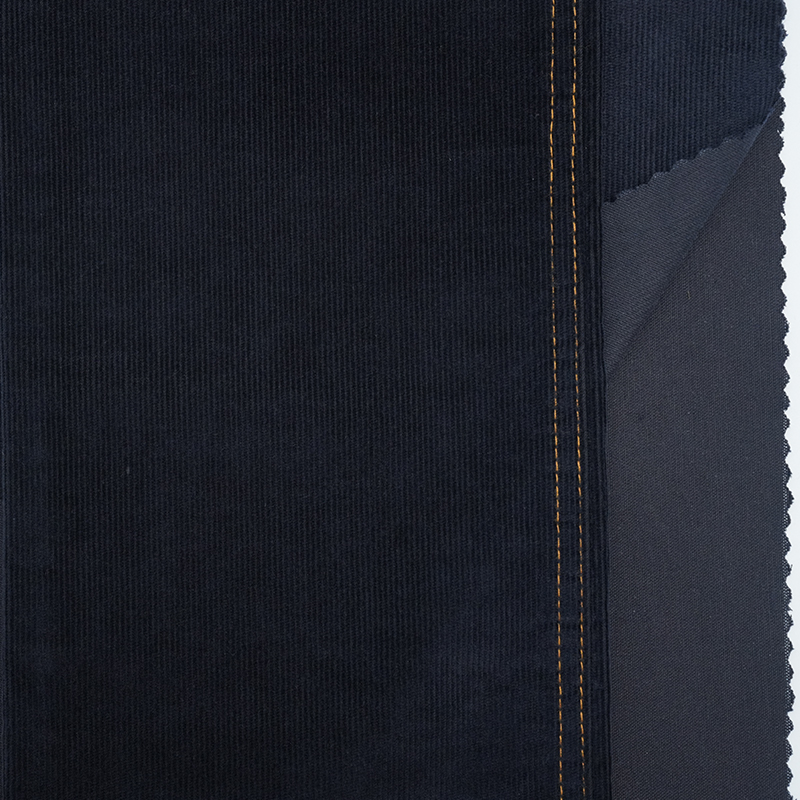
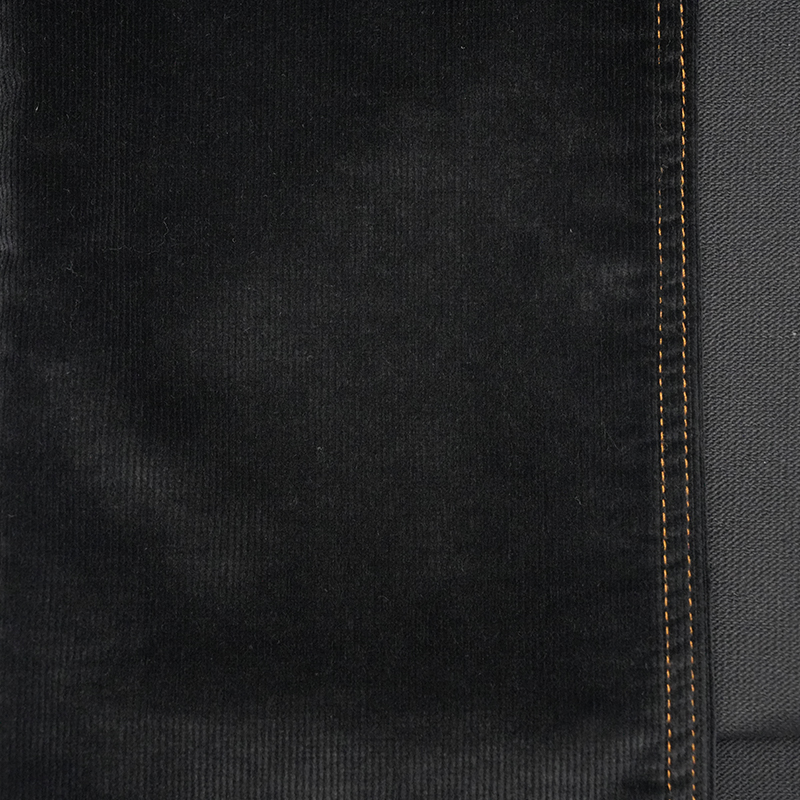
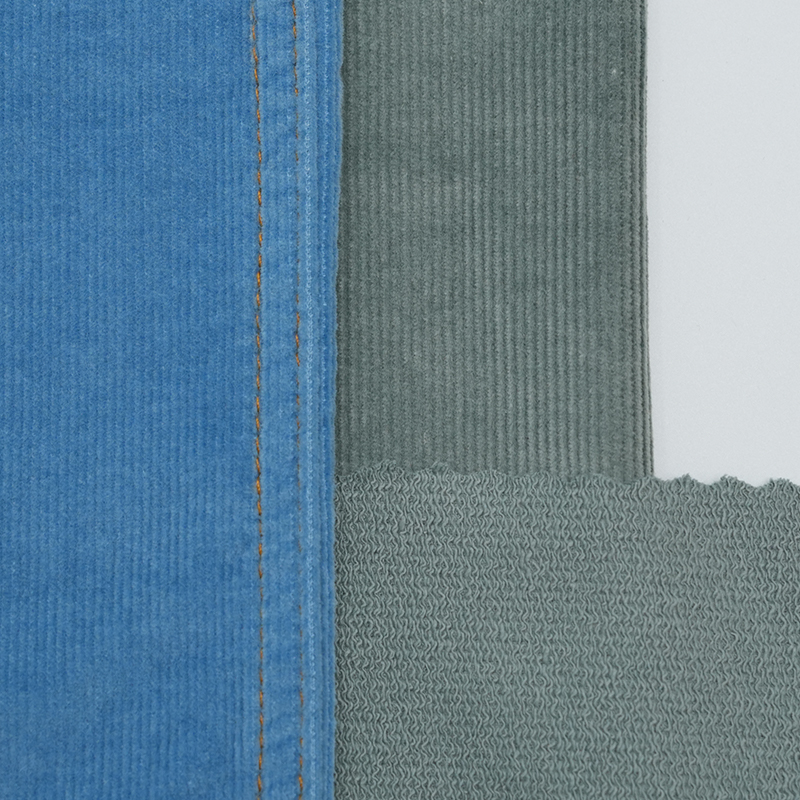
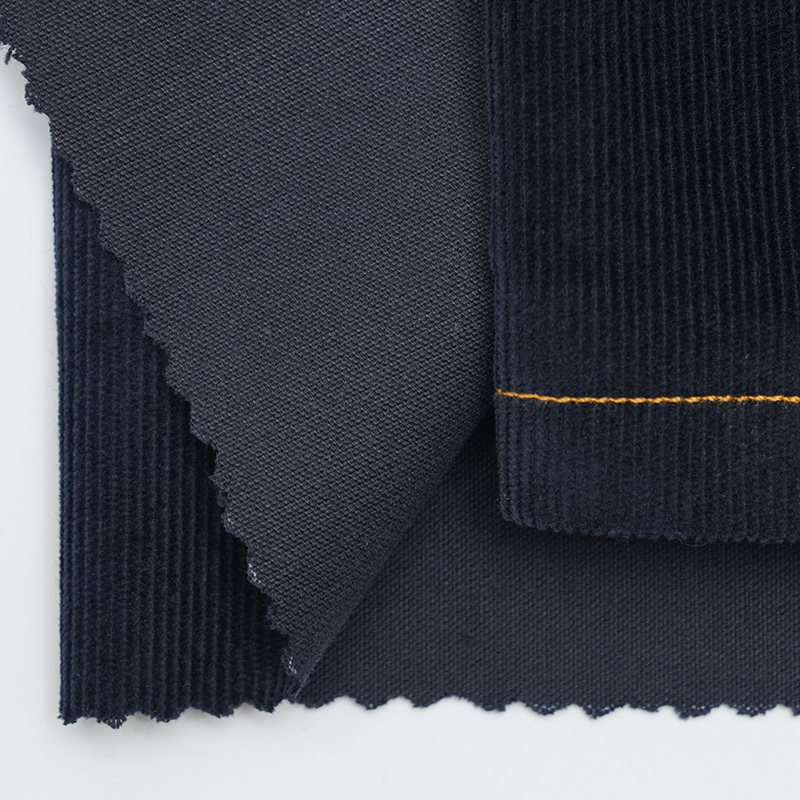 GS1155 14-Wale GRS Cotton Corduroy Dyed FabricReactive-dyed GRS cotton corduroy with stretch, 290 GSM, suited to durable cellulose applications where shade retention and soft pile matter.View Product →
Reactive dyeing is the standard route for cellulose, and on a 14-wale GRS cotton corduroy the reason is easy to see. Pile is washed, brushed and abraded through its life, so the covalent bond a reactive dyestuff forms with cellulose is what keeps the shade from washing down.
What Buyers Actually Test
Buyers test four things about a dyestuff: color yield, levelness, fastness and shade reproducibility.
Yield tells you what a shade costs. Levelness tells you whether the batch is sellable. Fastness tells you what happens in the wash and in sunlight. Reproducibility tells you whether the next batch will match the one you approved.
Delta E 1.0Common bulk-to-standard tolerance for a solid shade
Grade 4-5Typical wash fastness target on reactive-dyed cotton
One lab dipApproval gate before a bulk dye lot is released
Metamerism is the quiet failure. Two surfaces can match under one lamp and split under another because their reflectance curves differ, which happens when a shade is built from a different dyestuff combination than the standard.
Indicative wash fastness by class, grey scale 1 to 5
Exhaustion is how much dyestuff leaves the bath. Fixation is how much stays on the fiber. The gap between the two is money going down the drain.
Fiber Decides the Class, the Class Decides the Process
The fiber determines which dyestuff class can bond to it, and the class controls temperature, chemistry and the number of wash steps.
Cotton takes reactive, direct, vat and sulfur dyestuffs. Wool and silk take acid and reactive. Polyester takes disperse, usually at high temperature under pressure. Acrylic takes cationic. Choose the wrong class and recipe tuning will not rescue the shade.
- Preparation. Desizing, scouring and bleaching strip sizing, waxes and oils so the fiber absorbs dye evenly. Uneven preparation appears later as streaks no dye will cover.
- Dyeing. The dyestuff goes on by exhaust, pad-batch or continuous padding, with salt driving exhaustion and alkali starting fixation.
- Washing off and soaping. Unfixed dye has to leave the cloth or it will bleed in the first customer wash. Hot soaping closes the shade.
- Finishing. Softening, coating and heat setting each shift the shade slightly, so final color is confirmed after finishing.
Prepared-for-dyeing cloth shortens this chain for garment dyers. The fabric arrives scoured and bleached, so the dyehouse controls only the color step, and prepared-for-dyeing fabric is how that handoff is usually specified.
Blends complicate the sequence because two polymers compete for one bath. A cotton-modal twill needs a reactive dyestuff for the cotton and a compatible partner for the modal, or the fibers finish visibly different in tone. The practical rules for matching dye types to fibers are worth reading before a blend is sampled.
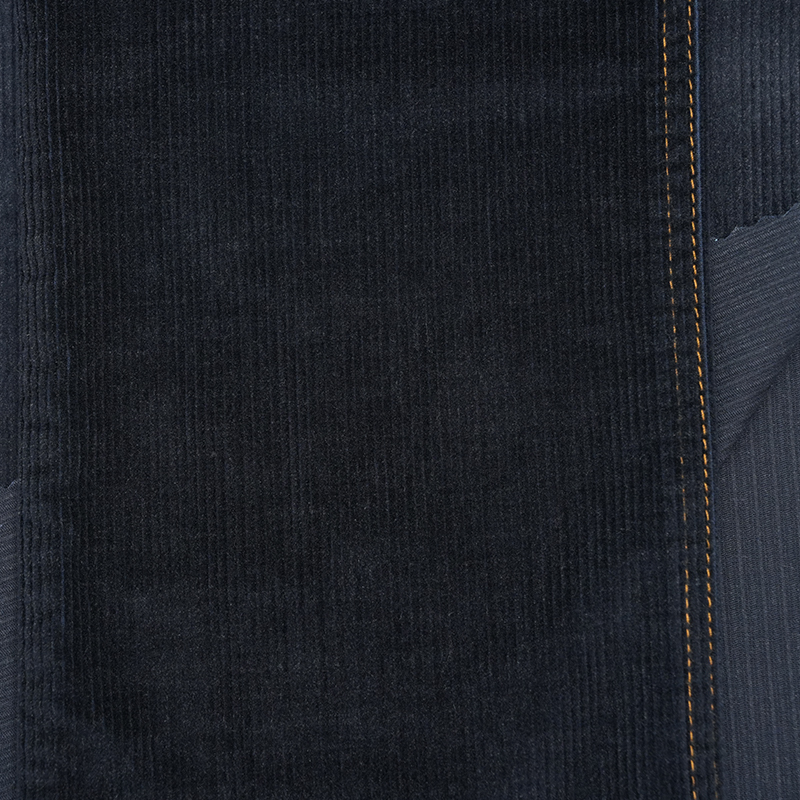
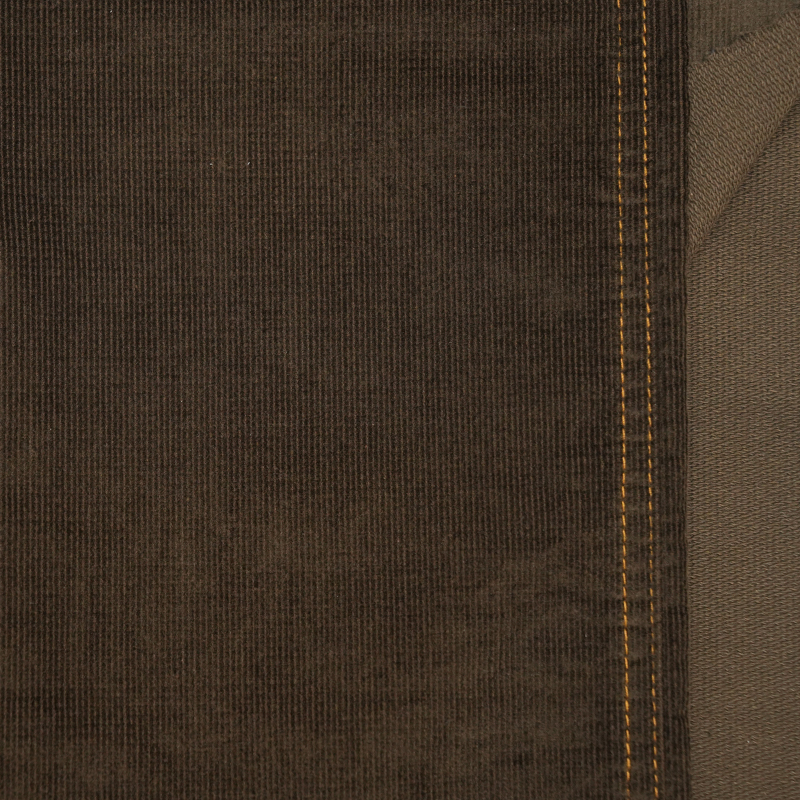
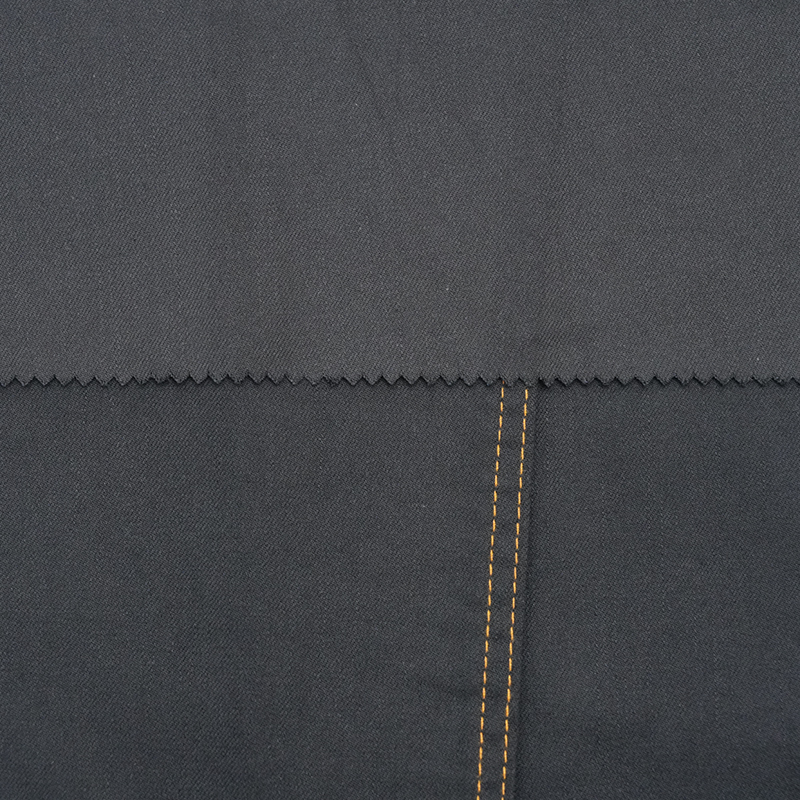 GS1742D Super Stretch Cotton-Modal Twill Dyed ClothCotton-modal stretch twill at 290 GSM, offering softness, breathability and durable twill texture for apparel where blend dyeing and hand matter.View Product →
Where Dyestuff Choice Shows Up in the Finished Cloth
Dyestuff choice shows up in three places a buyer can see and feel: shade depth, hand, and the way the color ages.
Depth is not only concentration. A vat dyestuff builds a deep, solid shade on cotton with excellent wash fastness at the cost of extra process steps. A direct dyestuff reaches similar depth on a shorter route with lower fastness, which suits a display fabric and fails a workwear program.
Hand changes as well. Heavy pigment loading stiffens a coated cloth, while a well-fixed reactive shade leaves the pile of a corduroy soft, which matters when the surface is the product.
Coating is where dyestuff and pigment share one cloth. The base fabric is dyed first, then a pigmented coating is applied for water resistance or abrasion, so the shade has to survive both the dye bath and the curing oven.
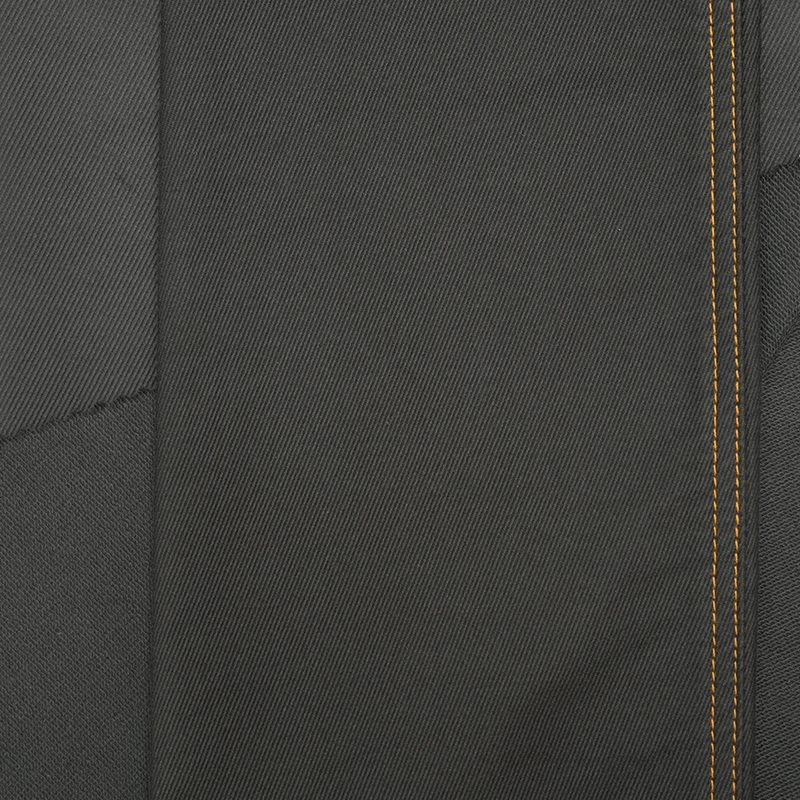
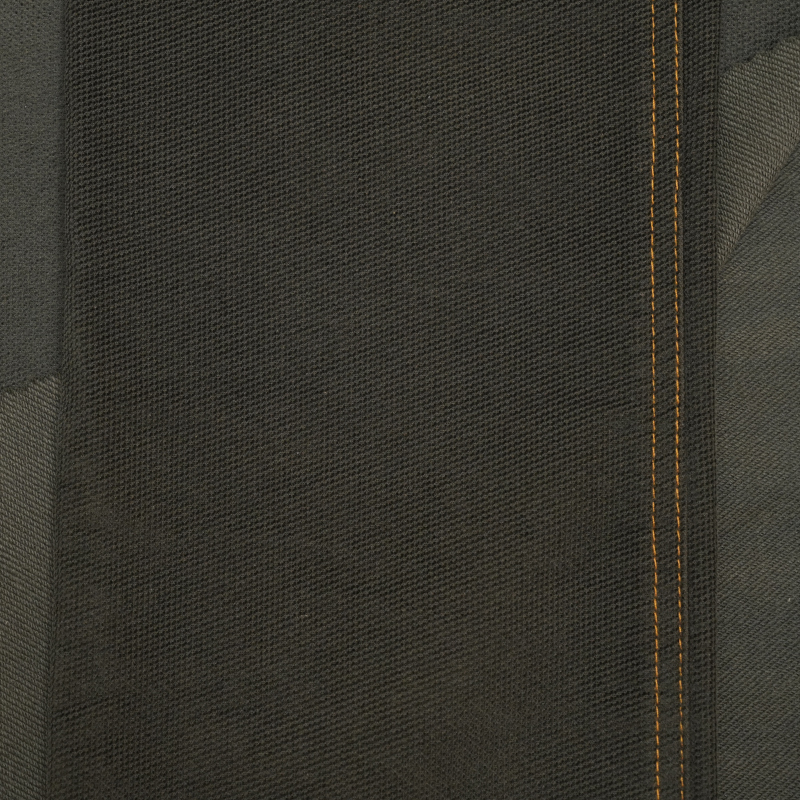
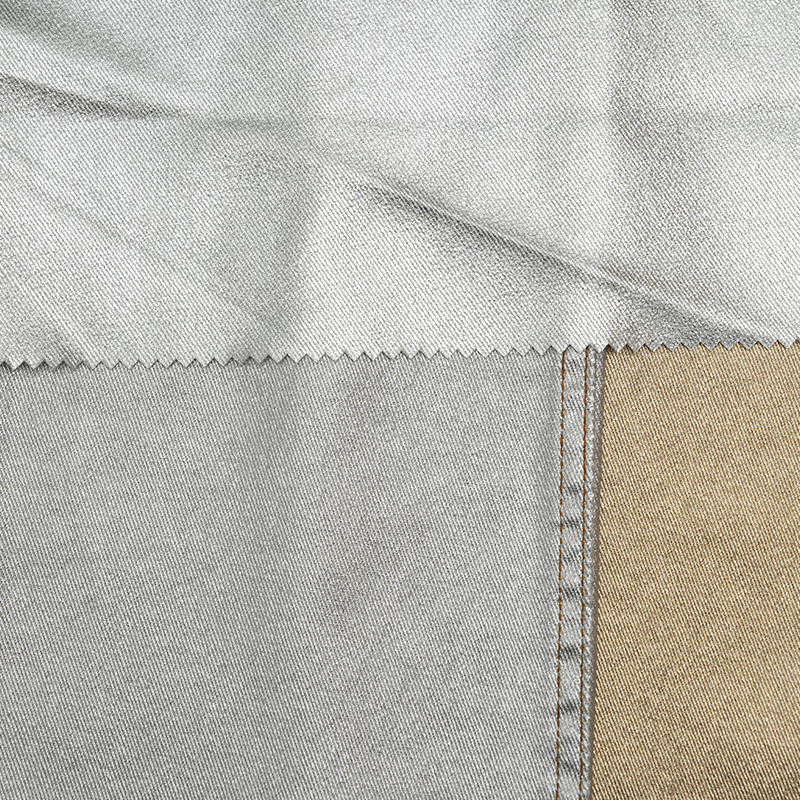 GS3170 Cotton Twill Dyed Coating ClothCotton-rich coated twill at 325 GSM, combining durable twill structure with stretch and a dyed base for garments needing sturdy, refined performance.View Product →
On a coated cotton twill the dyed base carries the color and the coating carries the performance. Buyers who test only the coated face sometimes miss a base shade that shifts after cure, so both stages deserve a check.
A Short Dyestuff Spec Checklist
A dyestuff specification is only useful if it names the class, the fastness standard and the tolerance, not just the shade.
- Name the application class with the shade, because reactive and direct cotton shades are not interchangeable.
- Quote the fastness method and minimum grade, for example wash fastness to a named ISO test at grade 4.
- State the color tolerance in Delta E and the light source used for approval, so two labs read the same result.
- Ask for lot strength data, so the dyehouse adjusts the recipe instead of discovering the variance in bulk.
- Fix the substrate and preparation route in writing, since mercerized and unmercerized cotton take the same dyestuff differently.
Frequently Asked Questions
Is a dyestuff the same as a dye?
In commercial use, yes. Dyestuff usually refers to the coloring matter as purchased, while dye refers to the same material once it is formulated into a working bath, but both describe one substance.
Are dyestuffs natural or synthetic today?
Both exist, and synthetic grades carry most textile volume because they are consistent and available in a wide shade range. Natural dyestuffs survive in heritage shades and small specialty runs where batch variation is accepted.
What does reactive mean in a dyestuff name?
It means the dyestuff forms a chemical bond with the fiber instead of only lodging inside it. On cellulose that bond is covalent, which is why reactive shades hold up to repeated washing better than direct shades of the same depth.
Why does the same dyestuff look different on two fabrics?
Because the substrate controls how much dye the fiber takes and how light reflects from the surface. Fiber type, yarn twist, pile height, preparation and finishing all shift the apparent shade, even with an identical recipe.
One last check before approval: confirm the shade under two light sources and on the actual substrate, then keep the approved sample sealed and labeled with the dyestuff lot number.
Related Products



-

- Address: No.8 Longxuan Road, Lijia Town, Wujin District, Changzhou, China
- Phone: +86-13301509168
- Email: [email protected]
- BE THE FIRST TO KNOW
- For exclusive deals and latest offers, sign up by entering your email address below.
- QUICK LINKS
RELATED CERTIFICATIONS: