English
 中文简体
 Tiếng Việt
Production of various high-end fabrics reaches 7 million meters annually, including a wide range of fashionable new products and exquisite items, with a broad coverage of color patterns.

Coloration Technology Explained: Dyes, Colour Measurement and Fastness
2026-11-06
Content
- 1 What coloration technology actually covers
- 2 Fibre and dye class decide most of the outcome
- 3 Colour measurement turns an opinion into a number
- 4 Exhaust, continuous or garment dye: choosing the route
- 5 Fastness is the specification that outlives the shade
- 6 Water, salt and the sustainability ledger
- 7 What to put on the purchase order
- 8 Frequently asked questions about coloration technology
A colour difference of 0.8 delta E disappears under lab lighting and reappears the moment two rolls of the same shade are cut side by side on a spreading table. Closing that gap is the daily work of coloration technology: not simply picking a dye, but holding every variable between the colour target and the finished roll inside a narrow band.
This guide is written from the mill floor rather than the journal page. It covers how substrate, dye class and process route interact, how colour is measured and made repeatable, which fastness properties buyers actually test, and the specification points that prevent a shade argument three weeks after shipment.
2x
Reprocessing a shade usually costs close to dyeing the batch twice: once in dye, steam and water, and again in the hand, strength and surface the fibre loses during a second wet process.
What coloration technology actually covers
Coloration technology is the applied science of putting a target colour onto a substrate and keeping it there through washing, light, rubbing and time.
Coloration technology covers dyestuffs and pigments, the chemistry of applying them to a specific fibre, colour measurement and recipe prediction, the machinery that carries the process, and the fastness testing that proves the result.
In a woven fabric mill the discipline splits into five working areas, and a defect in the first cannot be recovered in the third:
- Substrate preparation: desizing, scouring, bleaching and mercerising, which decide how evenly a dye can be taken up.
- Dye and pigment selection: the class that matches the fibre, the shade depth and the fastness the end use demands.
- Application control: liquor ratio, electrolyte, pH, temperature ramp and dwell time.
- Measurement: spectrophotometry, tolerance setting and recipe correction.
- Verification and effluent: fastness testing, shade continuity across lots, and the chemical load leaving the plant.
Uneven absorbency shows up as a barré or a cloudy face no matter how carefully the temperature profile is written.
Fibre and dye class decide most of the outcome
The dye class is not a preference; it follows from the fibre. Reactive dyes bond with cellulose, acid dyes attach to wool and nylon, disperse dyes dissolve into polyester, and blends need either two classes in one bath or two separate passes.
| Substrate | Usual dye class | Critical control | Common weak point |
| Cotton, viscose, modal, lyocell | Reactive, vat, direct | Alkali dose, electrolyte, fixation time | Wash fastness of deep shades |
| Wool | Acid, metal-complex | pH and a slow temperature ramp | Fibre damage at the boil |
| Nylon | Acid, disperse | pH 4 to 6, levelness at first strike | Barry dyeing on textured yarns |
| Polyester | Disperse | Carrier or high temperature, heat setting | Thermomigration during finishing |
| Cotton with modal or lyocell | Reactive plus a second class | Shade drift on the cellulosic share | Two-tone effect after repeated washing |
Blends are where most disputes start. A 60/40 cotton-modal poplin dyed with a single reactive recipe can look correct in the lab and drift once the two components age at different rates. Where a union shade is required, the recipe has to be built so both fibres keep converging rather than parting.
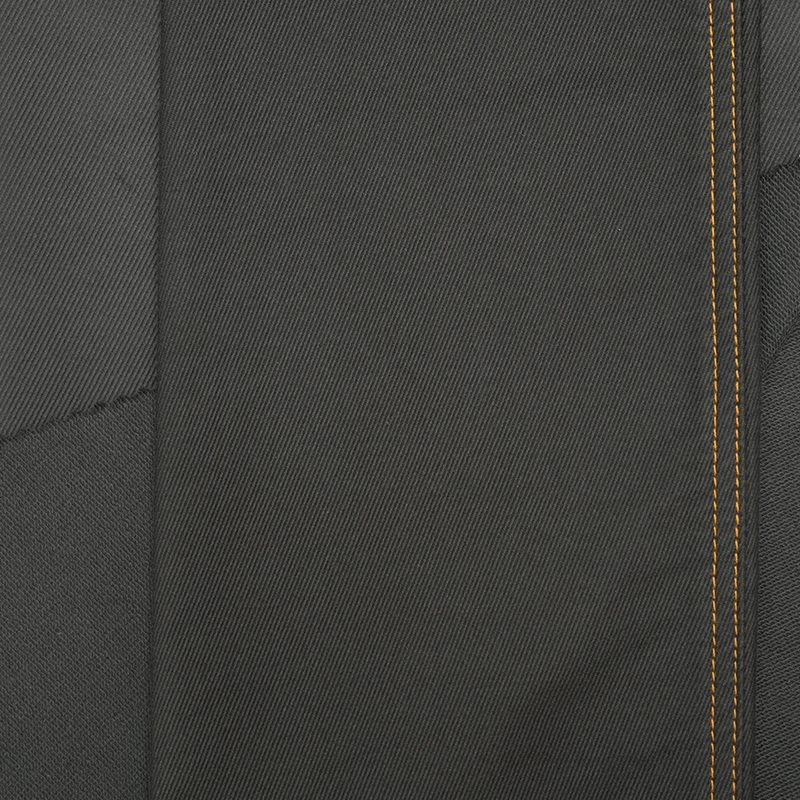
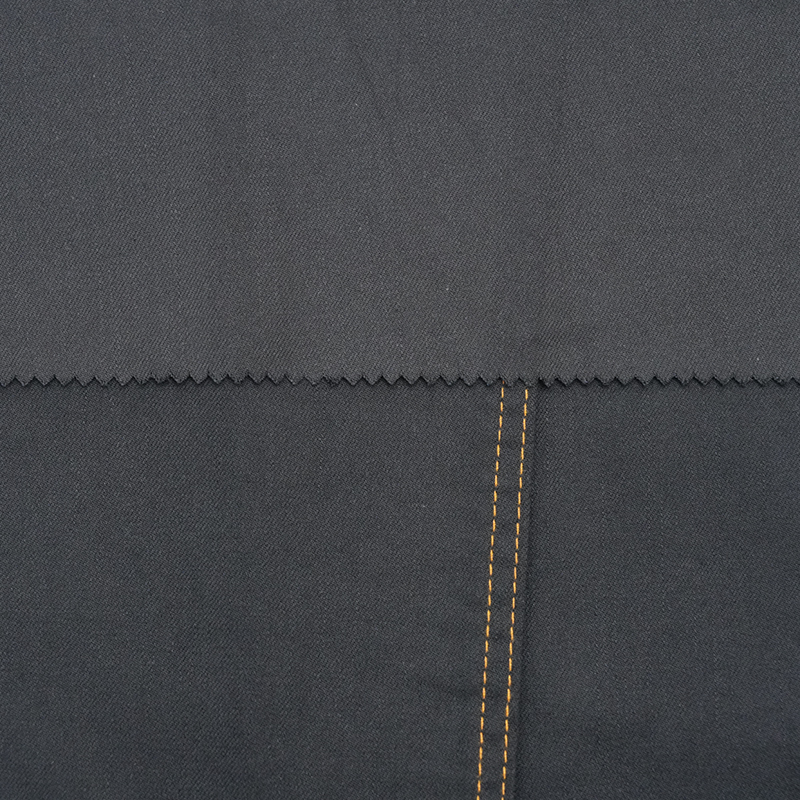 GS1742D Cotton-Modal Stretch Twill Dyed ClothA 63% cotton, 30% modal, 4% polyester, 3% spandex twill at 290 GSM, suited to union-shade blends where repeatable colour approval matters.View Product →
Colour measurement turns an opinion into a number
Every shade approved by eye alone is a risk that returns with the next lot. Spectrophotometers and tolerance bands replace the argument with a repeatable pass or fail.
1.0 delta E window most apparel programmes accept for a solid dyeing
D65 the standard illuminant under which the first reading is taken
3 light sources needed before a metamerism claim is settled
Two numbers matter in daily production: the reflectance curve recorded across the visible spectrum, and the computed colour difference against the approved standard. A 10 nm interval read under D65 with a 10-degree observer gives a fingerprint of the shade that survives staff changes and seasons.
Metamerism is the trap. Two dyeings can match under D65 and separate under a warm shop light or daylight through a window, because their reflectance curves cross rather than overlap. Recipe prediction software does not remove trial dyeings, but it shortens the correction loop, and a colour kitchen that logs every addition, pH reading and liquor ratio builds a database that makes the next similar shade faster. The same chemistry-first logic is set out in our note on matching dye classes to fibre blends.
Exhaust, continuous or garment dye: choosing the route
The route follows from order size, fabric construction and where the colour risk should sit. Exhaust dyeing in rope form suits short lots and deep shades, while pad-steam and pad-dry-cure suit long runs on flat, stable fabrics.
Piece dyeing at the mill
- Shade is fixed before cutting begins
- Better for long, continuous lots
- Uniform solid shades across rolls
- Sampling happens upstream of the cutting table
Prepared for dyeing, then garment dyed
- Colour decided after the garment is made
- Softer, more washed hand
- Higher shade variation between pieces
- Extra wet process and extra labour
A prepared for dyeing fabric shifts the colour decision downstream: the mill delivers a consistent, absorbent greige and the brand colours finished pieces instead of rolls. That buys flexibility in small runs and costs predictability, because garment dyeing adds variation and a second round of wet processing to every unit.
 GS3023 High Stretch Cotton-Polyester Twill FabricA 64% cotton, 33% polyester, 3% spandex twill at 235 GSM, relevant where garment dyeing and fastness targets shape the colour decision.View Product →
Fastness is the specification that outlives the shade
A shade only holds its value if it survives the wash, the sun and the wearer, so fastness targets belong on the order rather than in the sample file.
Those figures reflect common apparel requirements on a 1 to 5 grey scale; the buyer's own standard governs, so the grade and the test method both need writing down. Failures rarely come from the dye alone. They come from insufficient soaping after reactive fixation, from softeners that pull loose dye to the surface, or from a finishing temperature that drives disperse dye outward and drops light and sublimation fastness.
Practical rule: test the finished, softened, heat-set fabric. A piece that passes washing fastness as greige-dyed cloth can fail once a cationic softener is applied.
Water, salt and the sustainability ledger
Coloration is normally the most water-intensive step in a fabric's production, and most of the environmental gain comes from fixing more dye the first time.
- Right-first-time rate: every avoided reprocess removes an entire dye cycle of water, steam and salt.
- Electrolyte reduction through better machinery and tighter liquor control.
- Cold pad-batch for reactive dyes on cellulosics, where construction and shade depth allow.
- Recycled fibre blends, where variation in the recycled component demands tighter recipe control.
- Effluent load: hydrolysed dye, salt and alkali are the three streams a dyehouse must manage.
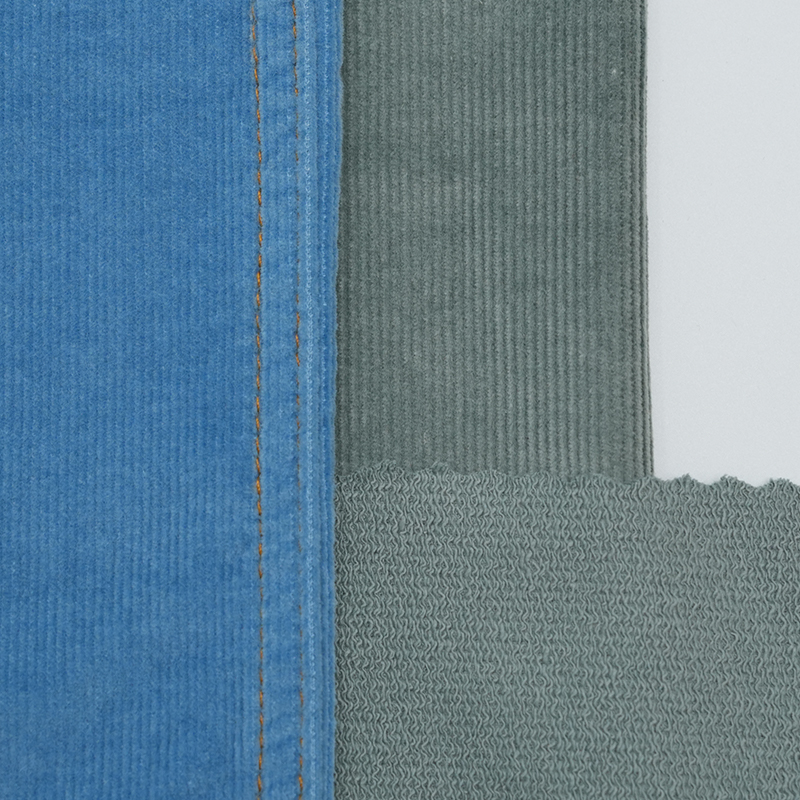
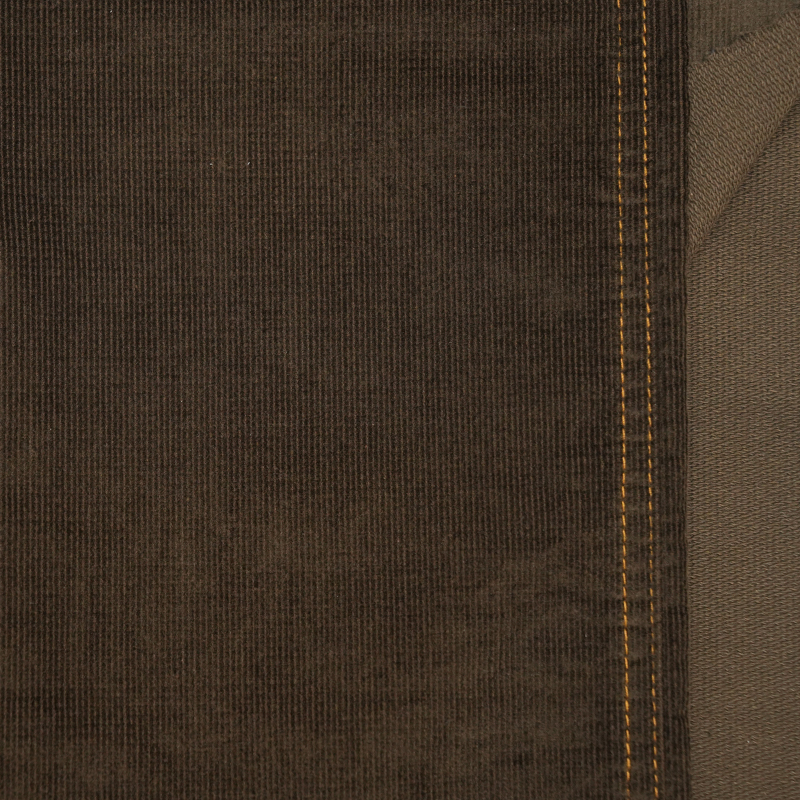
On a recycled cotton corduroy the fibre-to-fibre variation alone changes dye uptake, so a recipe built on virgin cotton needs recalibration rather than copying. Certified recycled lines also require traceability back through the supply chain, which is a documentation task as much as a chemical one.
Recycled content is not a colour problem on its own. It becomes one when the recycled share shifts between lots and the recipe is not adjusted for the change in absorbency.
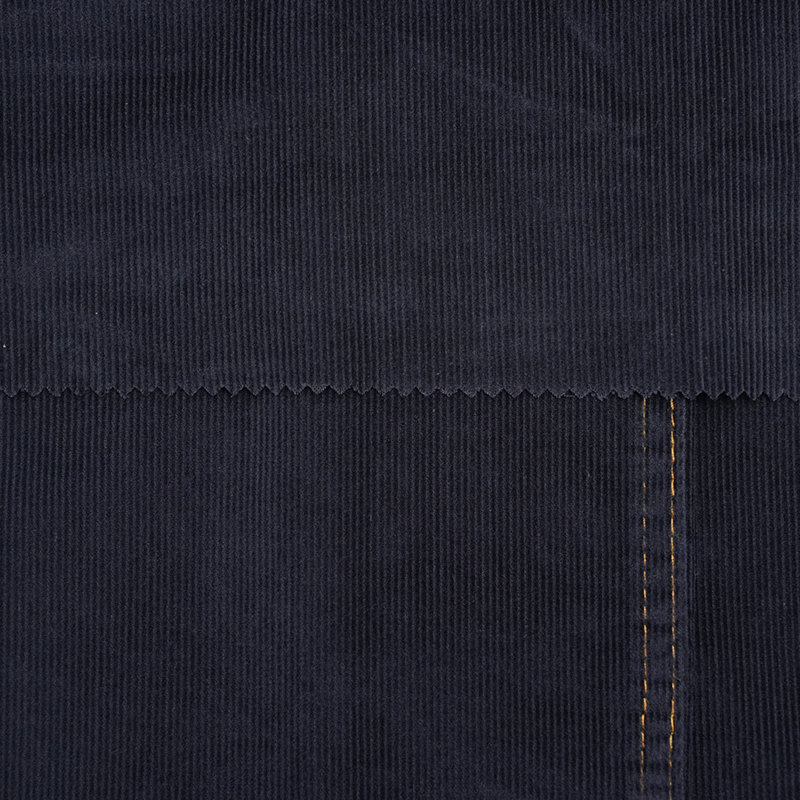
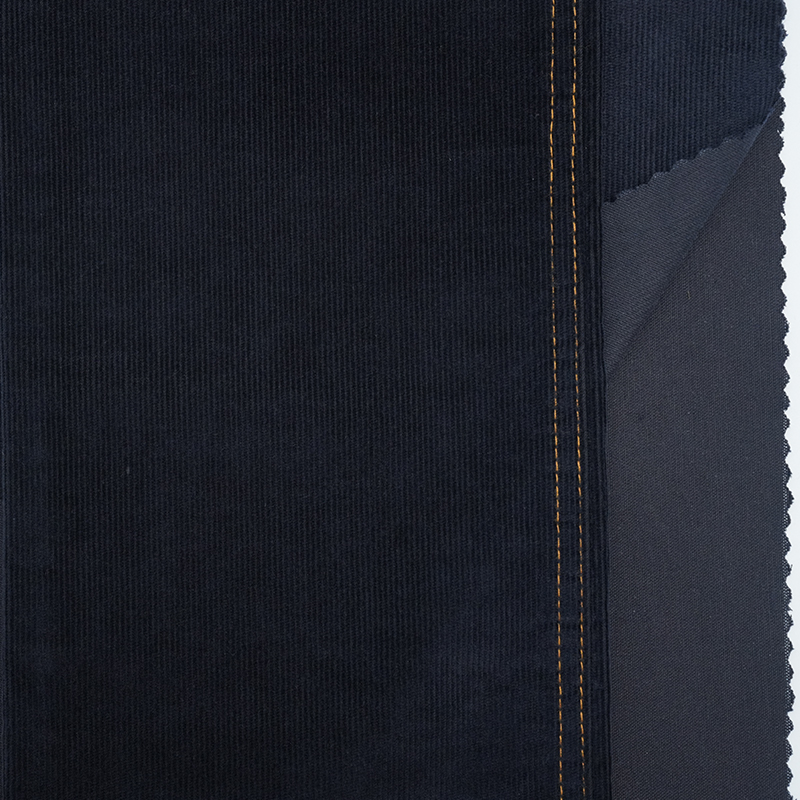
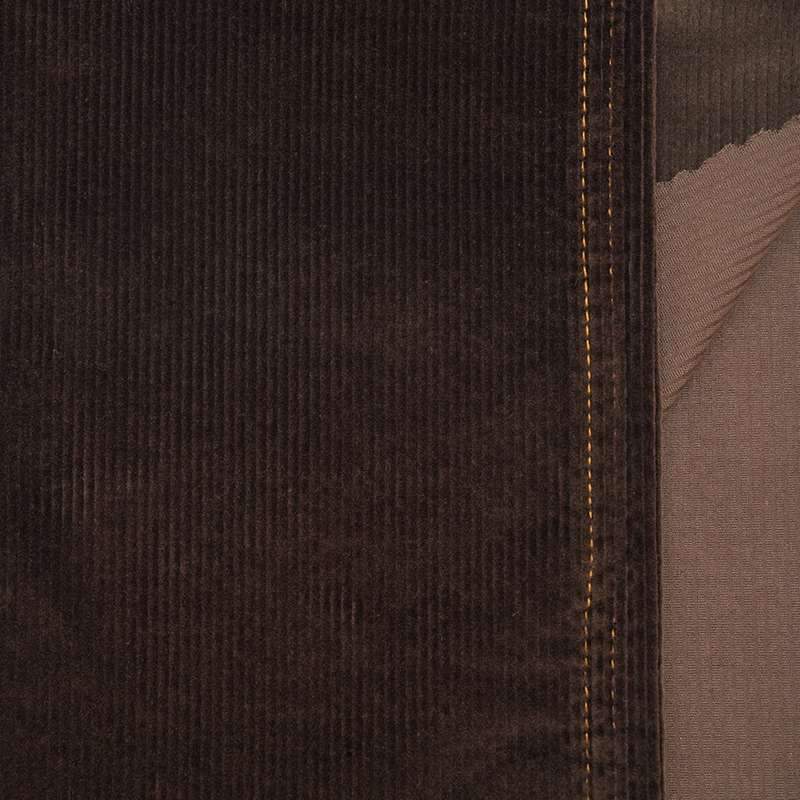
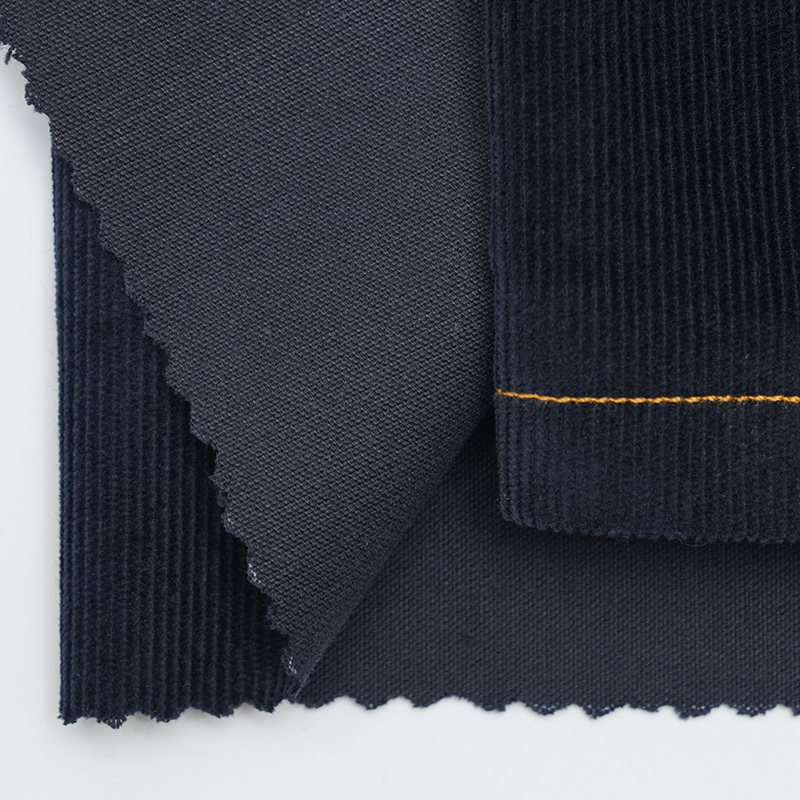 GS1155 14W GRS Recycled Cotton CorduroyGRS recycled-cotton corduroy with 2% spandex at 290 GSM, useful where recycled-content lots must still meet agreed shade and order tolerances.View Product →
What to put on the purchase order
Most shade disputes are preventable at the order stage, and six lines remove most of the ambiguity.
- Colour standard with the illuminant and a tolerance expressed in delta E, not the phrase "as per sample".
- Fastness requirements by test method and grade, referenced to a named standard.
- Fibre composition with a tolerance, so blends are not assumed from a description.
- Finish and hand, including any softener or coating that could move fastness.
- Shade continuity across lots and rolls, plus the sampling plan for approval.
- Test reports and certification, such as transaction certificates where recycled content is claimed.
Nothing on that list is exotic. Each item is cheap to write before production and expensive to argue after it, and the dyehouse side of the same discipline, from warping through to finishing, is described on our factory page.
Frequently asked questions about coloration technology
What is the difference between coloration technology and dyeing?
Dyeing is one operation inside coloration technology. The wider discipline also covers dye and pigment chemistry, substrate preparation, colour measurement, recipe prediction, fastness testing and the environmental control of the whole process.
Why do two fabrics that match in the lab look different in the shop?
That is metamerism. The two dyeings have different reflectance curves that coincide under one light source and separate under another. Matching under at least three sources, including daylight and a warm interior light, catches most cases before bulk production.
What colour tolerance should a fabric order specify?
A delta E of about 1.0 is the usual window for solid apparel shades, tighter on critical panels and looser on linings and fusing. The number only works when the illuminant, observer and measurement geometry are written down alongside it.
Does garment dyeing change fastness?
It can. Garment dyeing adds a second wet process and often a different finishing route, so fastness should be tested on the finished garment rather than the greige. Dark shades and heavy softener applications carry the highest risk.
The bottom line: coloration technology is a chain of decisions, and the cheapest place to control shade is at the specification, the substrate and the first dye cycle, not in the rework queue.
Related Products



-

- Address: No.8 Longxuan Road, Lijia Town, Wujin District, Changzhou, China
- Phone: +86-13301509168
- Email: [email protected]
- BE THE FIRST TO KNOW
- For exclusive deals and latest offers, sign up by entering your email address below.
- QUICK LINKS
RELATED CERTIFICATIONS: