English
 中文简体
中文简体 Tiếng Việt
Production of various high-end fabrics reaches 7 million meters annually, including a wide range of fashionable new products and exquisite items, with a broad coverage of color patterns.

What is Corduroy Fabric? Complete Guide to Properties & Care
2026-02-06
Content
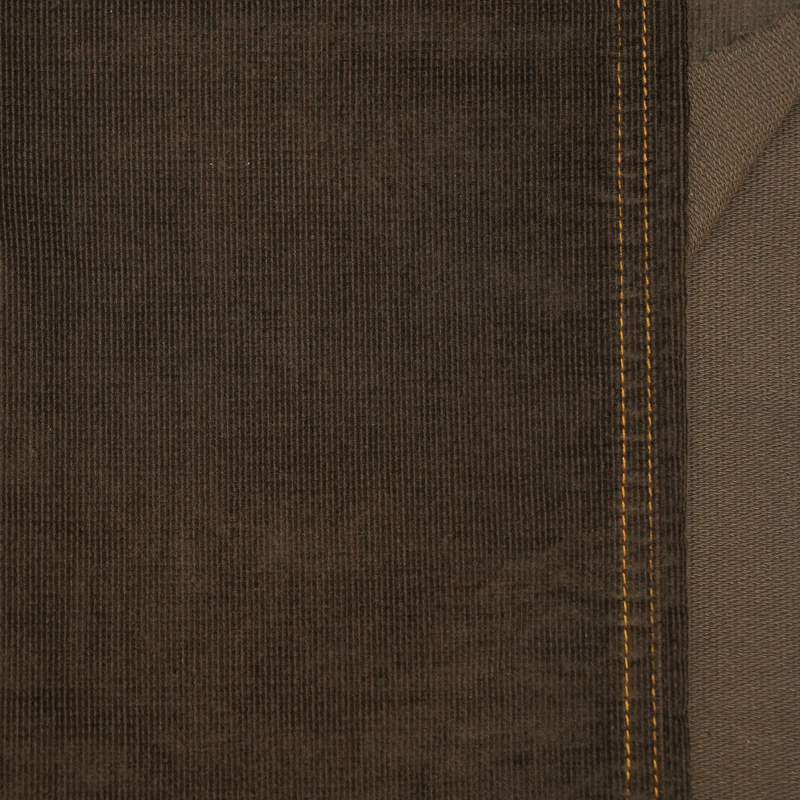
Corduroy is a durable textile with distinctive parallel ridges or "wales" formed by vertical pile ribs running along the fabric's length. These raised cords are created through a unique weaving process that produces a soft, textured surface with excellent insulation and visual depth. The fabric has remained popular for over two centuries due to its combination of warmth, durability, and timeless aesthetic appeal.
How Corduroy Fabric is Made
The manufacturing process of corduroy begins with a specialized weaving technique that creates the fabric's signature ridged texture. Manufacturers weave an extra set of filling yarns into a standard plain or twill weave base fabric, forming floats across the surface. After weaving, these floats are cut through the center, creating two pile surfaces that stand upright when brushed.
The base fabric typically uses cotton fibers, though modern corduroy may incorporate polyester, rayon, or cotton blends. The fabric structure consists of three yarn systems: ground warp, ground filling, and pile filling yarns. This complex construction gives corduroy its characteristic strength and dimensional stability.
After cutting, the fabric undergoes brushing to raise the pile uniformly, followed by singeing to remove loose fibers. Final treatments may include dyeing, washing, and applying finishes to enhance softness or water resistance.
Understanding Wales and Corduroy Types
Wales refer to the number of ridges per inch on corduroy fabric, and this measurement directly determines the fabric's appearance and texture. The wale count classification system helps consumers select appropriate corduroy for different applications.
| Corduroy Type | Wales Per Inch | Common Uses |
|---|---|---|
| Pinwale | 16-23 | Shirts, dresses, lightweight garments |
| Midwale | 11-15 | Pants, skirts, blazers |
| Wide Wale | 3-10 | Jackets, upholstery, heavy trousers |
| Jumbo/Railroad Cord | 1.5-3 | Upholstery, cushions, decorative items |
Fine-wale corduroys with 16+ ridges per inch create a smoother, more refined appearance suitable for dress clothing, while wide-wale varieties provide a bolder, more casual aesthetic with enhanced warmth.
Key Properties and Performance Characteristics
Corduroy's unique construction creates several functional advantages that distinguish it from other fabrics:
Thermal Insulation
The vertical pile creates air pockets that trap warmth against the body. Studies show that corduroy provides 15-20% better insulation than smooth cotton fabrics of equivalent weight, making it ideal for fall and winter garments.
Durability and Abrasion Resistance
The triple-yarn construction creates exceptional strength. Quality corduroy can withstand over 50,000 abrasion cycles in standardized Martindale testing, surpassing most cotton twills and comparable to light denim. This durability explains its historical use in workwear and children's clothing.
Texture and Comfort
The soft pile creates a plush hand feel that becomes even softer with washing and wear. Cotton corduroy naturally breathes well while maintaining warmth, though the pile can flatten in high-pressure areas over time.
Visual Depth
The parallel ridges create light and shadow effects that give colors a richer, more dimensional appearance compared to flat weaves. This optical property makes corduroy particularly effective in earth tones and jewel colors.
Common Applications and Uses
Corduroy's versatility has secured its place across multiple product categories:
- Apparel: Pants, jackets, shirts, skirts, blazers, and caps represent the largest market segment, with corduroy pants accounting for approximately 60% of corduroy garment sales
- Home Furnishings: Upholstery for furniture, throw pillows, curtains, and bedding benefit from corduroy's durability and texture
- Accessories: Bags, backpacks, hats, and shoes utilize corduroy for both aesthetic appeal and practical durability
- Children's Products: The fabric's softness, warmth, and washability make it popular for children's clothing and toys
Care and Maintenance Guidelines
Proper care extends corduroy's lifespan and maintains its distinctive appearance. The fabric requires specific handling due to its pile structure:
Washing Recommendations
- Turn garments inside out before washing to protect the pile surface from abrasion
- Use cold or warm water with mild detergent; avoid hot water which can shrink cotton corduroy by 3-5%
- Wash with similar colors as corduroy can bleed dye during initial washes
- Select gentle or delicate cycle to minimize pile flattening
Drying and Ironing
- Air drying prevents shrinkage and maintains pile texture; if machine drying, use low heat and remove promptly
- Shake garments vigorously after washing to restore pile direction
- Iron on the reverse side using medium heat with steam, or use a pressing cloth
- Brush pile gently with a soft-bristled brush to restore texture after ironing
Storage Tips
Hang corduroy garments when possible to prevent permanent creasing. If folding is necessary, avoid creating sharp folds along wales. Store in breathable garment bags to prevent dust accumulation in the pile while allowing air circulation.
Advantages and Limitations
Understanding corduroy's strengths and weaknesses helps consumers make informed purchasing decisions:
Primary Advantages
- Excellent warmth-to-weight ratio makes it comfortable across temperature ranges
- Distinctive texture provides visual interest and tactile appeal
- Superior durability compared to similar cotton fabrics
- Versatile styling options from casual to semi-formal
- Natural cotton versions are biodegradable and sustainable
Notable Limitations
- Pile attracts and holds dust, lint, and pet hair more readily than smooth fabrics
- Can flatten in high-friction areas like knees and elbows with extended wear
- Drying time is longer than smooth-weave fabrics due to pile density
- May be too warm for summer wear in humid climates
- Creates audible friction noise when walking, particularly in pants
Historical Context and Cultural Significance
Corduroy's name likely derives from the French "corde du roi" (king's cord), though this etymology remains debated. The fabric gained prominence in 18th-century England as a durable alternative to velvet for working-class clothing.
During the 1960s and 1970s, corduroy experienced a fashion renaissance, becoming associated with academic and intellectual circles. The fabric's popularity peaked in 1977 when corduroy garments represented approximately 8% of all casual wear sales in the United States.
Contemporary fashion has seen cyclical revivals of corduroy, with major resurgences in the early 2000s and again in the late 2010s. Modern designers appreciate the fabric for its vintage aesthetic, sustainability credentials when made from organic cotton, and ability to add texture to minimalist designs.
Selecting Quality Corduroy
Several indicators help identify well-constructed corduroy fabric:
- Uniform wale spacing: Ridges should be evenly distributed with consistent width and height across the entire fabric surface
- Dense pile: Quality corduroy has closely packed pile yarns that don't reveal the base fabric when viewed from the side
- Secure pile attachment: Rub the fabric vigorously; minimal shedding indicates proper finishing
- Fabric weight: Heavier weights (8-10 oz per square yard) typically indicate better quality for pants and jackets
- Color consistency: Dye should penetrate evenly through the pile without variations or fading
For apparel, examine garment construction as well. Quality corduroy clothing features pattern matching at seams, with wales aligned horizontally across body panels for a refined appearance.
Related Products



-

- Address: No.8 Longxuan Road, Lijia Town, Wujin District, Changzhou, China
- Phone: +86-13301509168
- Email: [email protected]
- BE THE FIRST TO KNOW
- For exclusive deals and latest offers, sign up by entering your email address below.
- QUICK LINKS
RELATED CERTIFICATIONS: