English
 中文简体
中文简体 Tiếng Việt
Production of various high-end fabrics reaches 7 million meters annually, including a wide range of fashionable new products and exquisite items, with a broad coverage of color patterns.

Top Uses of Jacquard Dobby Corduroy Dyed Fabric in Fashion and Interiors
2026-04-23
Content
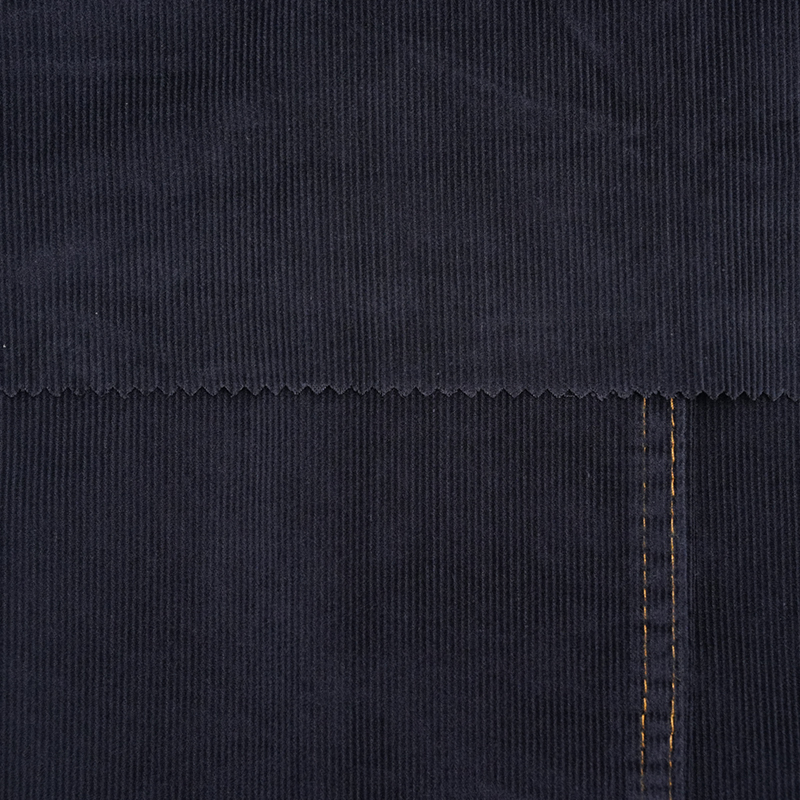
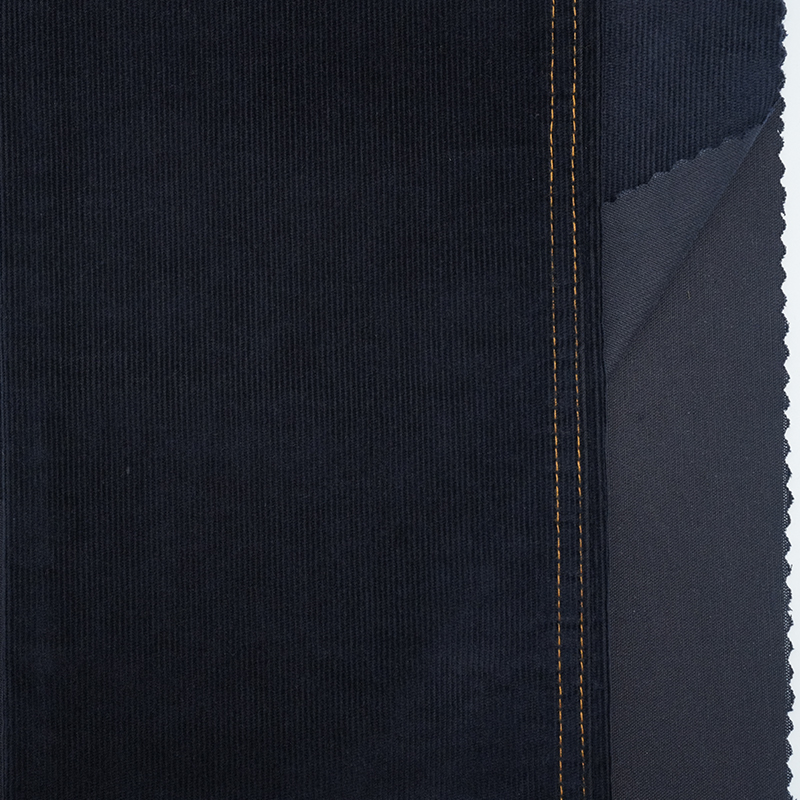
When texture, pattern, and color need to work together in a single fabric, Jacquard Dobby Corduroy Dyed Fabric delivers on all three. Built on a corduroy base and woven with dobby-controlled geometric patterns, then piece-dyed to achieve clean, consistent color throughout the pile — this fabric has moved far beyond seasonal trend status into a material designers and buyers rely on year-round.
What Makes This Fabric Different
Standard corduroy offers texture. Jacquard adds patterning. Dobby weaving structures those patterns into repeating geometric motifs directly into the fabric body — not printed on top. The result is a surface where the design survives washing, wear, and time without fading or cracking. Piece dyeing then saturates the entire cloth uniformly, giving the pile and the base a consistent, saturated tone that flat-printed fabrics cannot match.
The combination of these three technologies — jacquard loom, dobby harness structure, and piece dyeing — produces a fabric with built-in visual depth, tactile richness, and reliable color fastness. That performance profile is why it appears across both fashion and interiors.
Fashion Applications
Outerwear and Tailored Garments
The fabric's weight and structure make it well-suited to autumn and winter outerwear — jackets, blazers, and structured coats. The dobby-woven geometric surface adds visual detail without the bulk of embroidery or appliqué. Designers use it to create garments that read as elevated and considered without relying on elaborate trims.
Trousers and Bottoms
Jacquard Dobby Corduroy holds its shape through repeated wear. For trousers and wide-leg pants — categories where fabric recovery matters — the structured weave maintains the silhouette across a full day of use. The tonal depth of piece dyeing means the fabric reads differently in different lighting, adding visual interest to a simple cut.
Children's Wear
Durability and softness are non-negotiable for children's clothing. The corduroy base is inherently soft against skin, while the tight dobby structure resists snags and pulls from active use. Rich dyed colors hold through frequent washing — a practical advantage for garments that see daily wear.
Casual and Streetwear
Corduroy has maintained a consistent presence in casual fashion precisely because its texture reads as relaxed without looking unfinished. The jacquard dobby variation adds enough pattern complexity to suit contemporary streetwear aesthetics, where fabric story matters as much as silhouette.
Interior Applications
Upholstered Furniture
Sofas, armchairs, and dining chairs covered in Jacquard Dobby Corduroy gain both visual texture and functional durability. The woven-in pattern resists abrasion better than printed upholstery fabrics, where surface designs wear away at contact points. The pile construction also contributes to seating comfort, adding a layer of softness to firm foam or sprung bases.
Cushions and Throws
At the accessory scale, this fabric works as a high-impact, low-effort way to shift an interior's palette or texture profile. A well-dyed corduroy cushion carries color more vividly than linen or velvet alternatives. Because dobby patterns are geometric and structured, they read as intentional alongside both maximalist and minimal interior schemes.
Curtains and Drapery
Heavier-weight versions of Corduroy Dyed Fabric have sufficient drape and opacity for window treatments. The pile surface diffuses light softly, reducing glare while maintaining a warm, textured interior atmosphere. For autumn and winter interiors, this is a practical and visually grounded choice.
Decorative Panels and Wall Textiles
Textile wall panels have re-emerged as an interior design tool for acoustic management and visual warmth. Jacquard Dobby Corduroy, with its three-dimensional surface and rich tonal depth, performs well as a wall-mounted fabric — adding pattern and sound absorption simultaneously.
Why Piece Dyeing Matters for Both Markets
The dyeing method is not a detail — it is a functional specification. Piece-dyed fabric is dyed after weaving, meaning the color penetrates the full pile structure rather than sitting on the surface. For fashion buyers, this means consistent color across bulk production runs and reliable wash fastness across a garment's lifecycle. For interior buyers, it means the fabric maintains its appearance under UV exposure and cleaning — relevant for upholstery and curtain applications that face environmental stress over years, not seasons.
Brands and designers sourcing Cotton-blend Corduroy Dyed Fabric variants gain additional dimensional stability and easier care properties alongside the color performance of piece dyeing.
Selecting the Right Specification
Not all Jacquard Dobby Corduroy performs equally across applications. Key variables to confirm with any supplier:
- Wale count — finer wales (14W–21W) suit tailored garments and lighter upholstery; wider wales (8W–11W) work better for heavy outerwear and furnishing fabric.
- Fiber composition — 100% cotton offers breathability and comfort; cotton-blend constructions improve wrinkle resistance and dimensional recovery.
- Weight (GSM) — lighter constructions (180–240 GSM) suit shirts, children's wear, and cushion covers; heavier builds (280–380 GSM) are appropriate for outerwear and upholstery.
- Color fastness rating — confirm wash and rub fastness grades meet the requirements of the end-use market, particularly for upholstery and children's wear.
Bottom Line
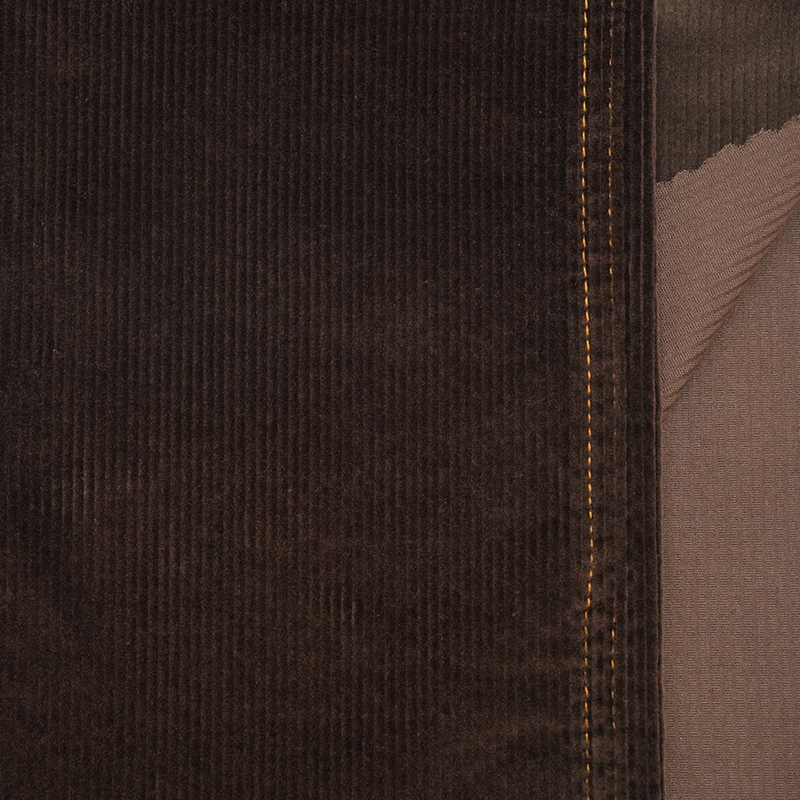
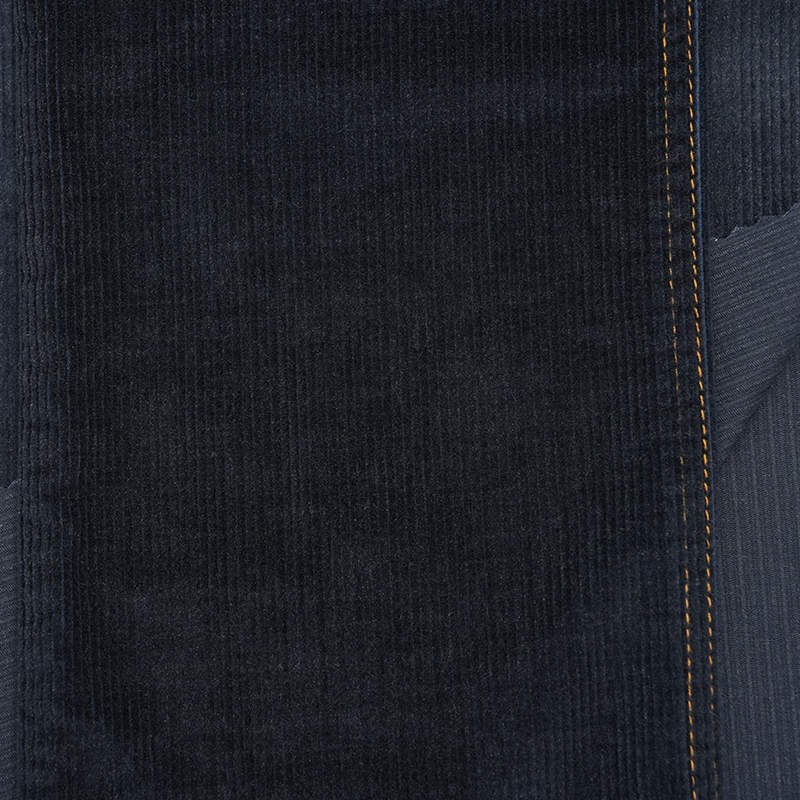
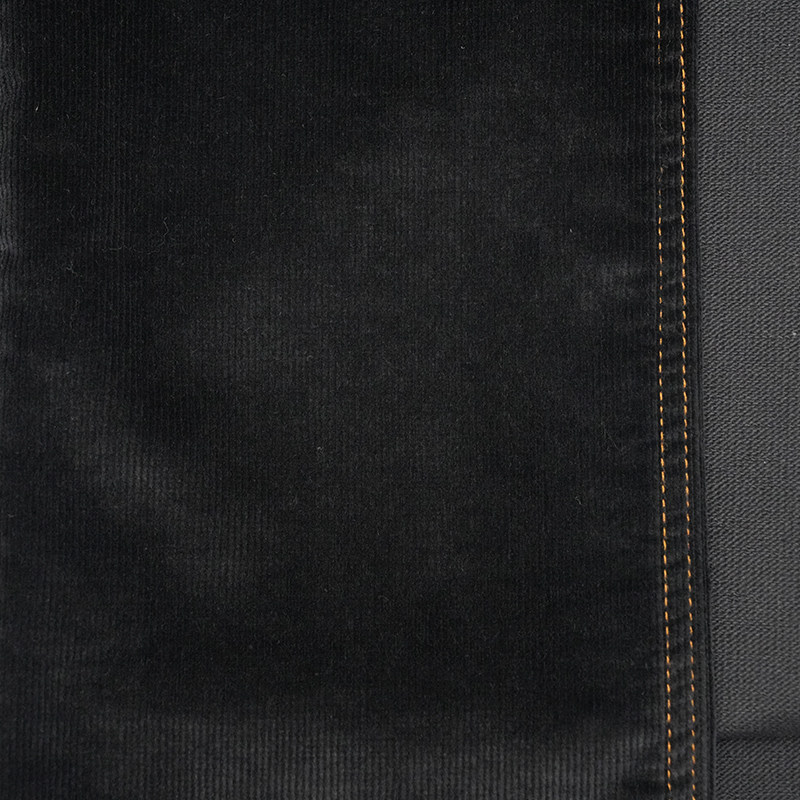
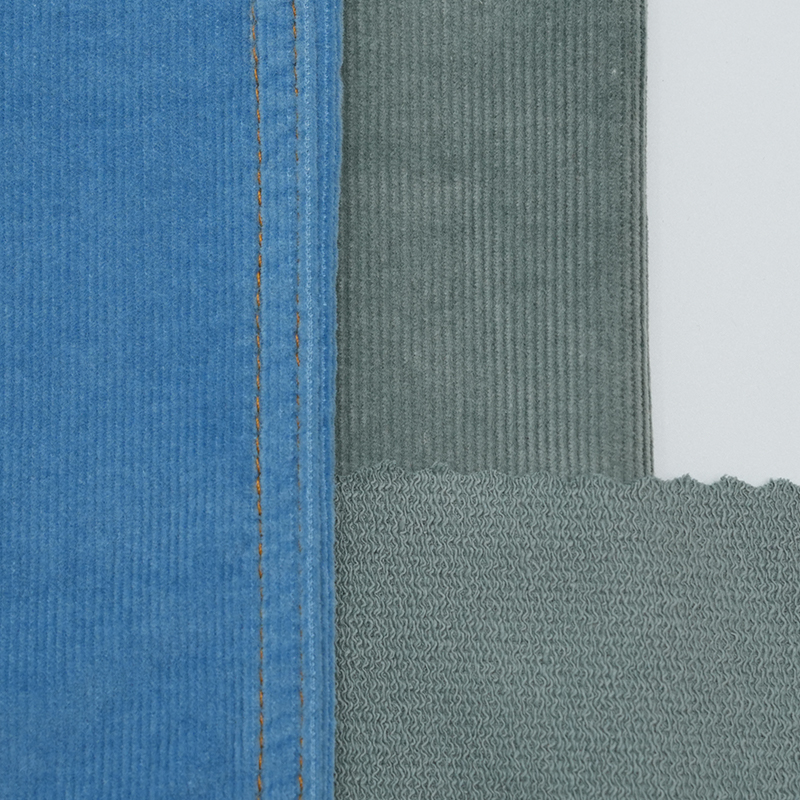
Jacquard Dobby Corduroy Dyed Fabric earns its position across fashion and interiors because it solves real problems: it delivers pattern without printing, texture without embellishment, and color without compromise. For buyers and designers working across seasonal collections or longer-cycle interior projects, it is a fabric worth specifying by name rather than leaving to generic corduroy sourcing.
Related Products


-

- Address: No.8 Longxuan Road, Lijia Town, Wujin District, Changzhou, China
- Phone: +86-13301509168
- Email: [email protected]
- BE THE FIRST TO KNOW
- For exclusive deals and latest offers, sign up by entering your email address below.
- QUICK LINKS
RELATED CERTIFICATIONS: