English
 中文简体
中文简体 Tiếng Việt
Production of various high-end fabrics reaches 7 million meters annually, including a wide range of fashionable new products and exquisite items, with a broad coverage of color patterns.

Is Woven Fabric Good for Summer? A Practical Guide
2026-03-12
Content
- 1 Woven Fabric Is Not a Single Answer — It Depends on What You're Weaving With
- 2 How Weave Structure Affects Breathability
- 3 Fiber Content: The Biggest Variable for Summer Comfort
- 4 Weight Matters More Than Most Buyers Realize
- 5 Which Woven Fabrics Work Best for Specific Summer Garments?
- 6 The Role of Dyeing and Finishing in Summer Fabric Performance
- 7 What to Ask Your Supplier Before Sourcing Summer Woven Fabric
- 8 Our Woven Fabric Range for Summer Apparel
Woven Fabric Is Not a Single Answer — It Depends on What You're Weaving With
As a manufacturer that works with woven fabrics daily, one of the most common questions we get from apparel buyers and designers is whether woven fabric is suitable for summer. The short answer is: it depends. Woven fabric is a construction method, not a material itself. A tightly woven polyester twill and a loose-weave cotton dobby are both technically "woven fabrics," but they perform completely differently in warm weather.
What determines summer suitability comes down to three factors: fiber content, weave structure, and fabric weight. Understanding how these interact is essential when sourcing fabric for warm-weather apparel, whether you're producing casual shirts, summer trousers, or lightweight outerwear.
How Weave Structure Affects Breathability
The weave structure directly controls how much air can circulate through a fabric. In general, looser weave constructions allow more airflow, while dense constructions trap heat.
Plain Weave
Plain weave is the most fundamental woven structure — each weft thread passes over and under each warp thread alternately. When made with fine yarns at a moderate thread count, plain weave fabrics are light and breathable. Chambray and voile, both popular summer fabrics, use plain weave construction. A lightweight cotton plain weave at around 100–130 gsm is considered an excellent warm-weather choice.
Twill Weave
Twill creates a diagonal rib pattern and tends to be denser than plain weave. Standard cotton twill at 200–280 gsm is too heavy for peak summer conditions. However, lightweight stretch twill blends in the 150–180 gsm range can still work for summer trousers or shorts, especially when rayon or Tencel is incorporated to improve drape and moisture management.
Dobby Weave
Dobby weaves create small geometric patterns and tend to have a slightly textured surface that keeps the fabric from lying flat against the skin. This quality — often called a "lift effect" — improves airflow between the skin and the garment, making dobby constructions particularly well-suited for summer shirts and blouses.
Fiber Content: The Biggest Variable for Summer Comfort
Even within the same weave structure, fiber choice will determine whether a fabric feels cool or stifling. Here is a practical comparison of the most commonly used fibers in woven summer fabrics:
| Fiber | Breathability | Moisture Absorption | Summer Suitability | Notes |
|---|---|---|---|---|
| Cotton | High | High (~8.5%) | Excellent | Best at lightweight constructions; may retain moisture when wet |
| Rayon (Viscose) | High | Very High (~11–13%) | Excellent | Soft, drapes well; can wrinkle easily |
| Tencel (Lyocell) | High | High (~11%) | Excellent | Eco-friendly; silky feel; superior moisture control |
| Modal | High | High (~9–10%) | Very Good | Extremely soft; resists shrinkage better than cotton |
| Polyester | Low | Low (~0.4%) | Poor (unless moisture-wicking finish applied) | Durable and wrinkle-resistant but traps heat |
From our production experience, cotton-rayon and cotton-Tencel blends consistently outperform pure cotton in warm climates because rayon and Tencel lower the fabric weight while increasing moisture-wicking speed. A 60/40 cotton-Tencel blend, for instance, can reduce fabric weight by 15–20% compared to an equivalent all-cotton construction while maintaining comparable durability.
Weight Matters More Than Most Buyers Realize
Fabric weight (measured in grams per square meter, or gsm) is one of the clearest indicators of summer suitability. As a general rule:
- Under 130 gsm — Very lightweight, ideal for shirts, blouses, and linings in hot climates
- 130–180 gsm — Lightweight to mid-weight, suitable for summer trousers, casual wear, and soft jackets
- 180–250 gsm — Mid-weight, better suited for spring/autumn or air-conditioned environments
- Over 250 gsm — Heavy, not recommended for summer unless specifically designed as outerwear
Many buyers focus on fiber content and weave but overlook weight. We've worked with clients who ordered a cotton dobby for summer production, not realizing the fabric they selected was 230 gsm — well into autumn-weight territory. Always request the exact gsm spec when sampling.
Which Woven Fabrics Work Best for Specific Summer Garments?
Different summer garment categories have different technical requirements. Here is what we typically recommend based on end-use:
Summer Shirts and Blouses
Lightweight plain-weave or dobby fabrics in cotton, Tencel-cotton, or rayon-cotton blends at 100–140 gsm are the most practical choice. The dobby surface texture prevents the fabric from clinging to the body, which improves perceived coolness significantly.
Summer Trousers and Shorts
For structured summer bottoms, a lightweight stretch twill or cavalry slant in the 150–180 gsm range balances shape retention with breathability. Adding a small percentage of elastane (2–4%) improves comfort without significantly affecting breathability.
Casual Dresses and Jumpsuits
Rayon-cotton or modal-cotton blends with fluid drape are ideal here. These fabrics hang away from the body rather than clinging, which improves air circulation. Target weights of 110–150 gsm work well for most loose-fit summer dress silhouettes.
Light Summer Outerwear
For summer jackets and overshirts, a coated or uncoated cotton twill in the 150–200 gsm range can still be appropriate, provided the weave is not overly dense. Garment dyeing on these styles allows for a washed, softened hand feel that adds to warm-weather wearability.
The Role of Dyeing and Finishing in Summer Fabric Performance
It's worth noting that how a fabric is dyed and finished can affect its summer performance. Harsh chemical finishing processes can close up the fabric structure, reducing breathability even in otherwise open-weave constructions. At Huiya Textile, we use a tension-free, waterless reactive dyeing process that avoids compressing the fabric during finishing. This preserves the natural openness of the weave, which is particularly important for lightweight summer fabrics where breathability should not be compromised in production.
Color choice also has a minor practical effect — lighter colors reflect more solar radiation, which is why white, cream, and pastel woven fabrics dominate summer collections across most markets. Our dyeing capabilities allow for precise color matching across these lighter tonal ranges without compromising dye evenness.
What to Ask Your Supplier Before Sourcing Summer Woven Fabric
When evaluating fabrics for summer production, we recommend asking suppliers the following before committing to a bulk order:
- What is the exact gsm of the fabric after finishing (not the greige weight)?
- What is the fiber content breakdown by percentage?
- What weave construction is used, and what is the thread count?
- Has the fabric been treated with any heat-sealing or resin finishing that could reduce breathability?
- Can you provide a wash-shrinkage test result? (Fabrics that shrink more than 3–4% after washing often indicate a tense finishing process.)
- Is the dyeing method reactive, pigment, or vat? (Reactive dyes penetrate the fiber and preserve hand feel better than surface-coating pigment dyes.)
These questions will save you from costly sampling cycles and help you identify fabric that genuinely performs in warm conditions rather than simply looking the part on a swatch card.
Our Woven Fabric Range for Summer Apparel
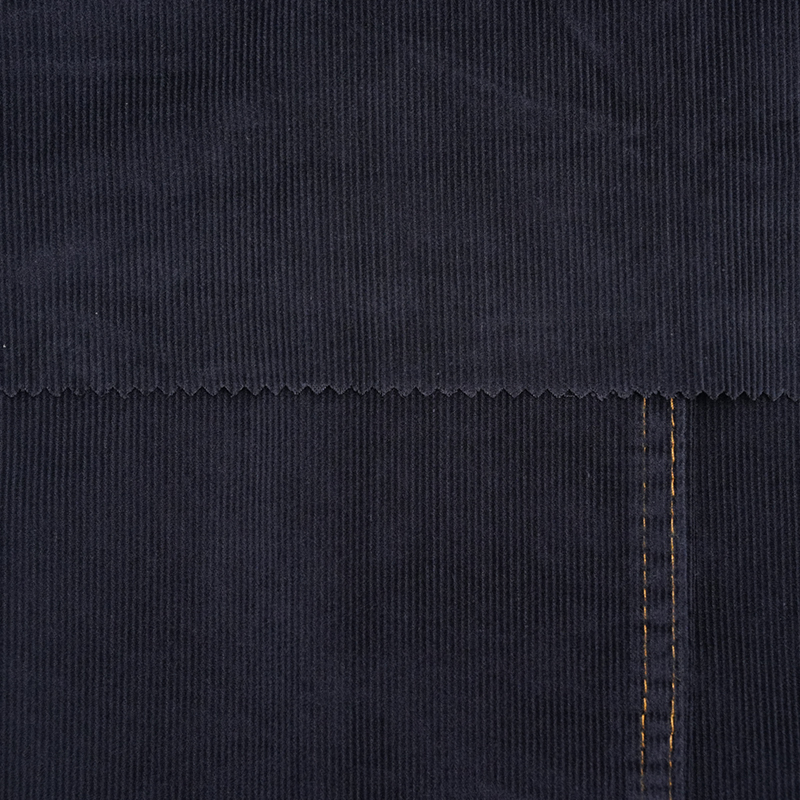
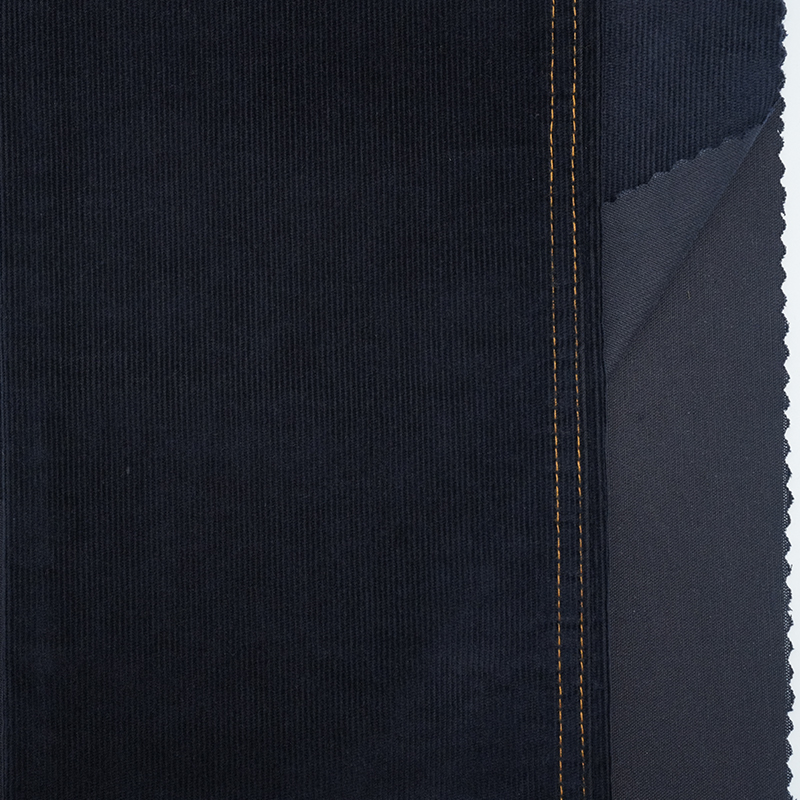
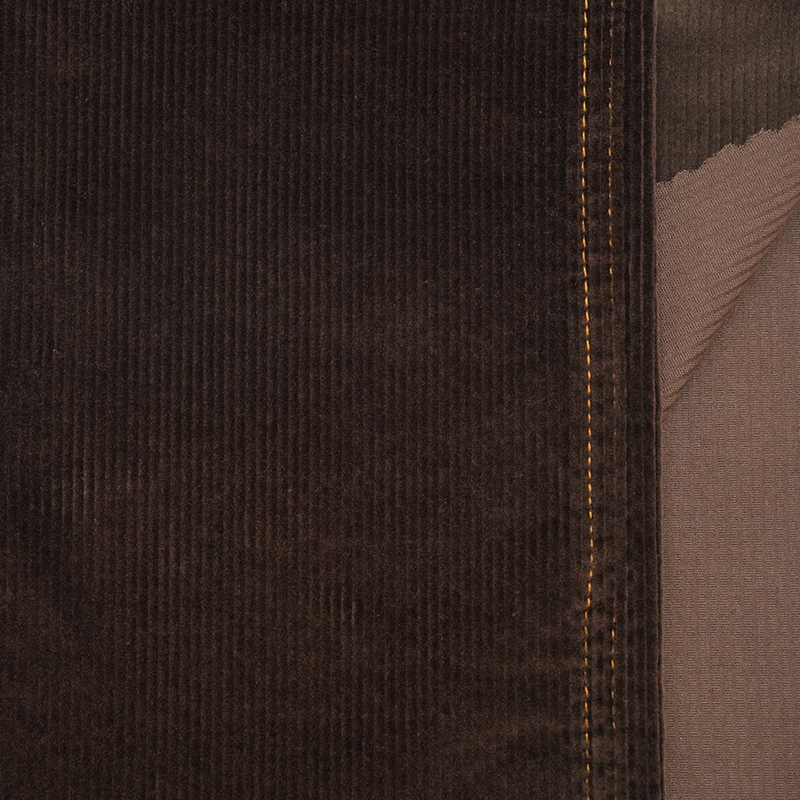
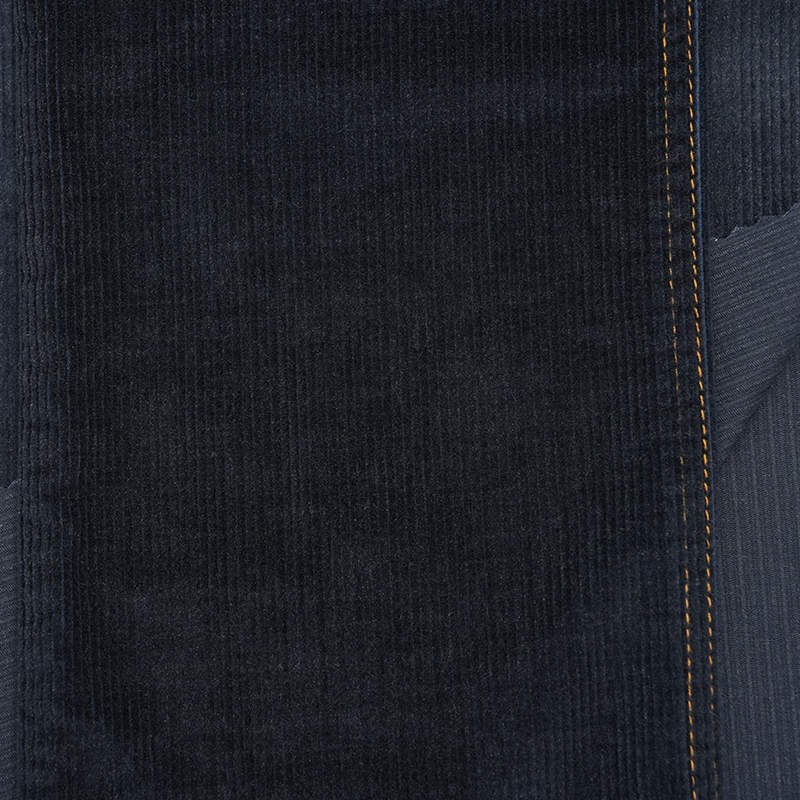
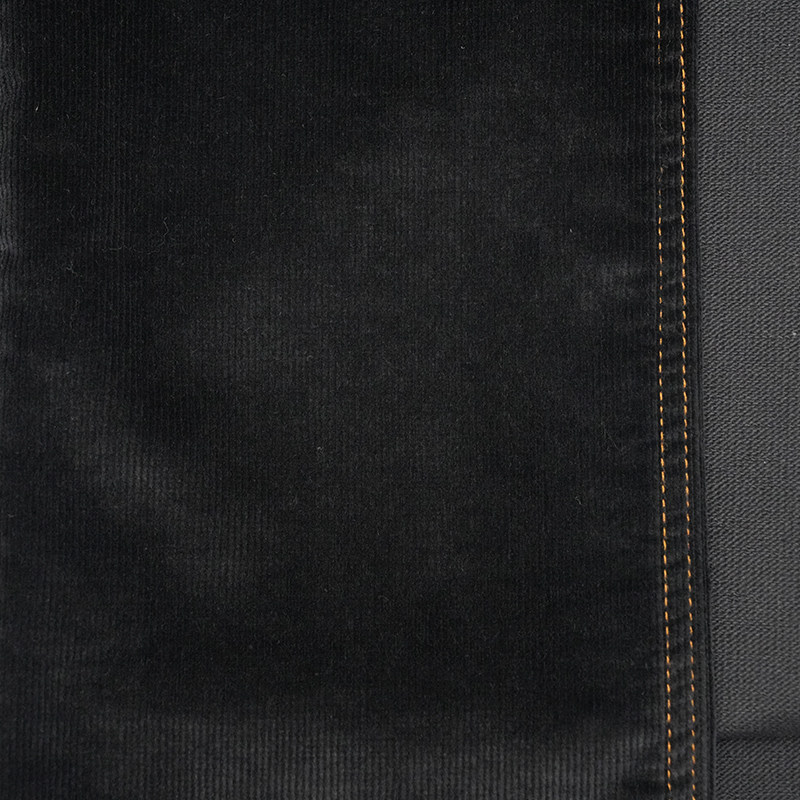
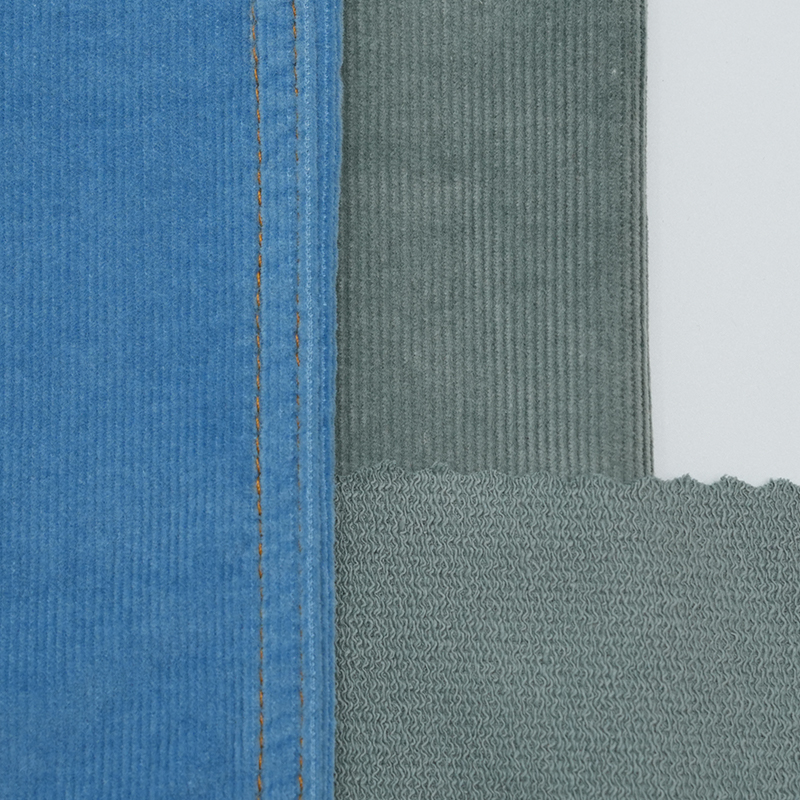
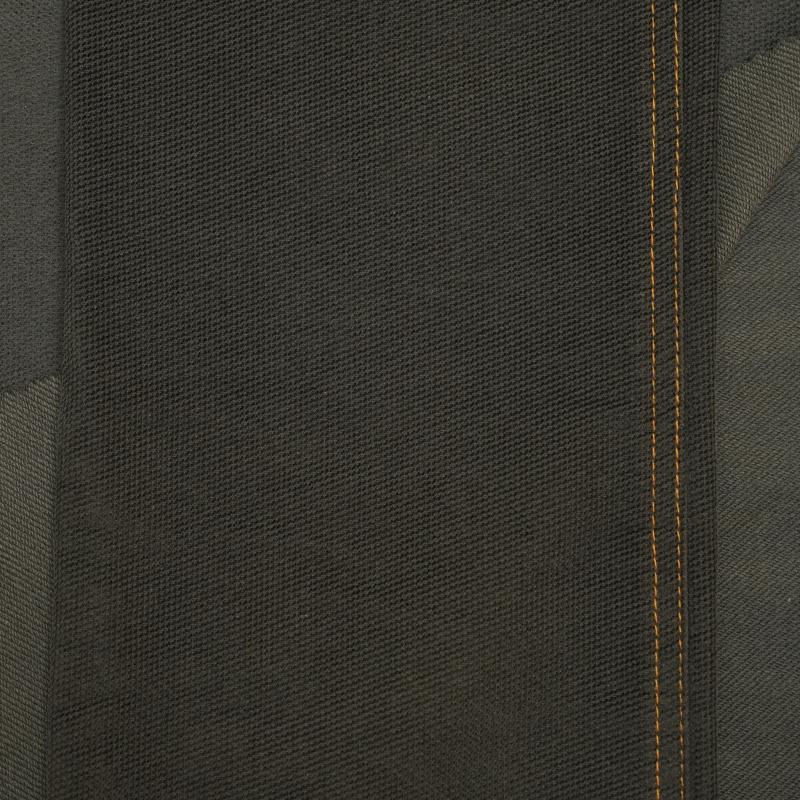
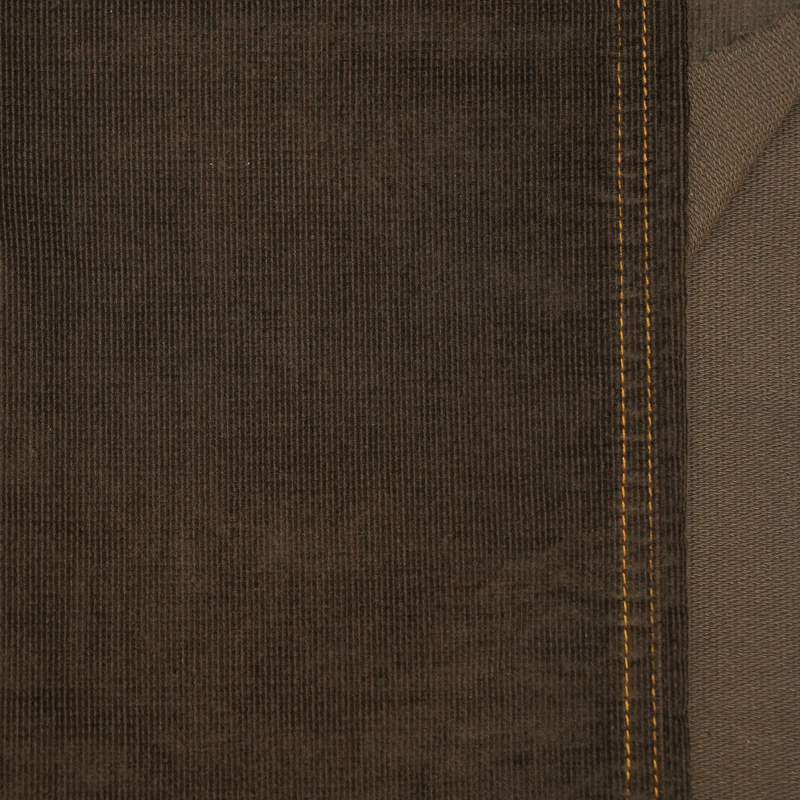
We specialize in eco-friendly dyed woven fabrics, including cotton blends with Tencel, Modal, and rayon that are well-suited to warm-weather apparel production. Our range covers plain weave, twill, dobby, and corduroy constructions across a wide spectrum of weights, with reactive dyeing as standard. If you are sourcing fabric for a summer collection, you can explore our full woven fabric product range to find options that match your weight, fiber, and construction requirements.
For buyers specifically interested in lightweight blended options, our cotton blended dyed fabric collection — including Tencel-cotton and rayon-cotton constructions — is a practical starting point for summer shirt and dress fabric sourcing.
Related Products

-

- Address: No.8 Longxuan Road, Lijia Town, Wujin District, Changzhou, China
- Phone: +86-13301509168
- Email: [email protected]
- BE THE FIRST TO KNOW
- For exclusive deals and latest offers, sign up by entering your email address below.
- QUICK LINKS
RELATED CERTIFICATIONS: