English
 中文简体
中文简体 Tiếng Việt
The Core Question of Durability
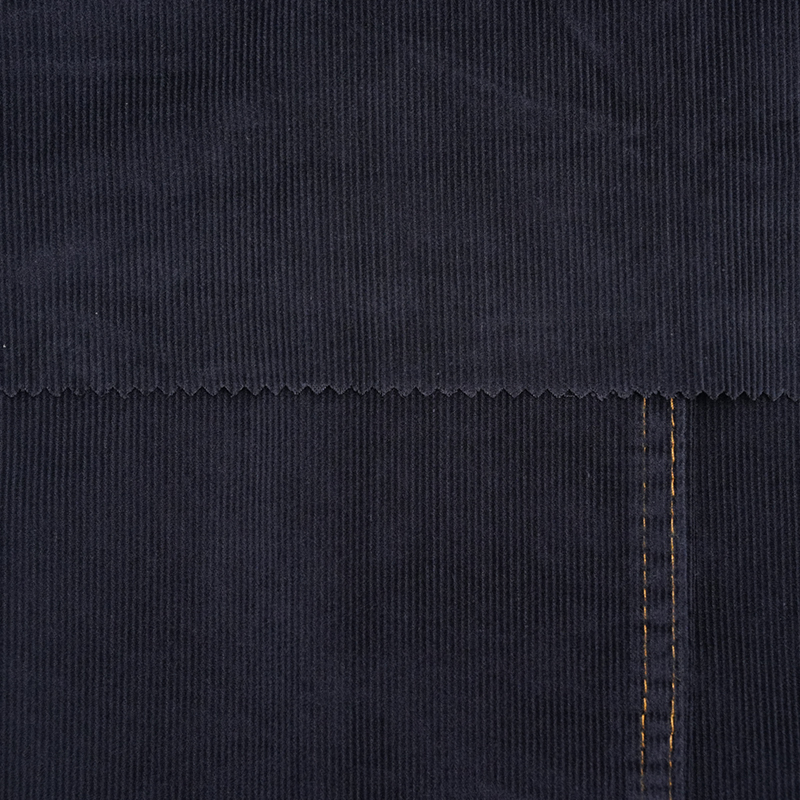
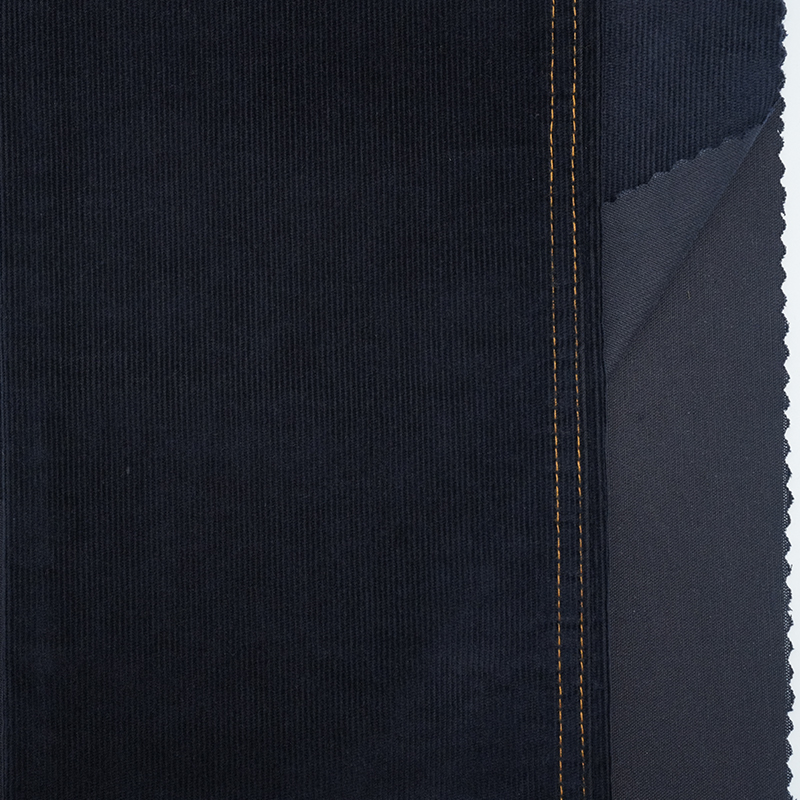
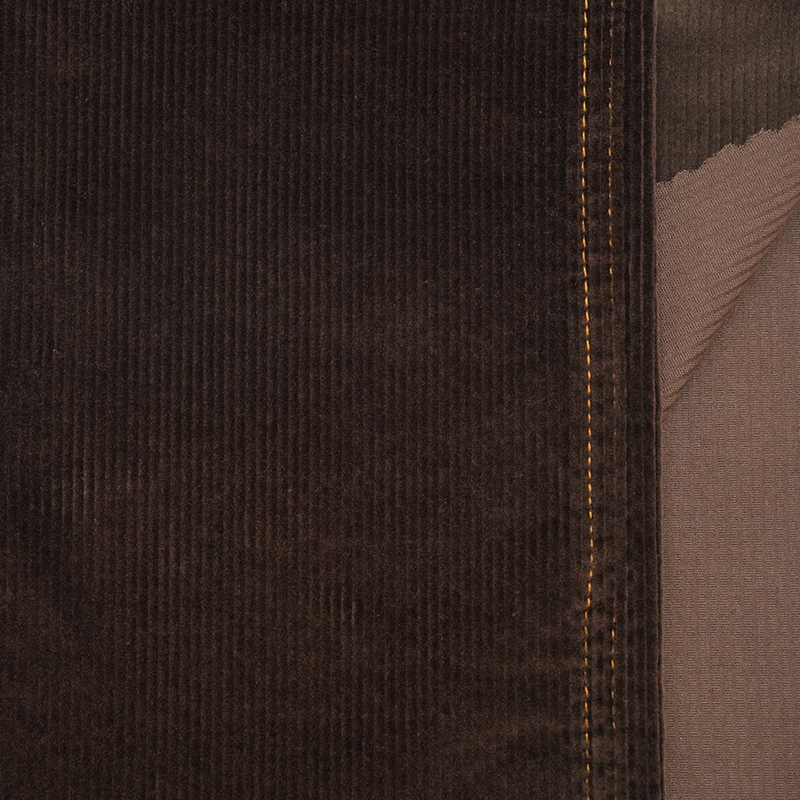
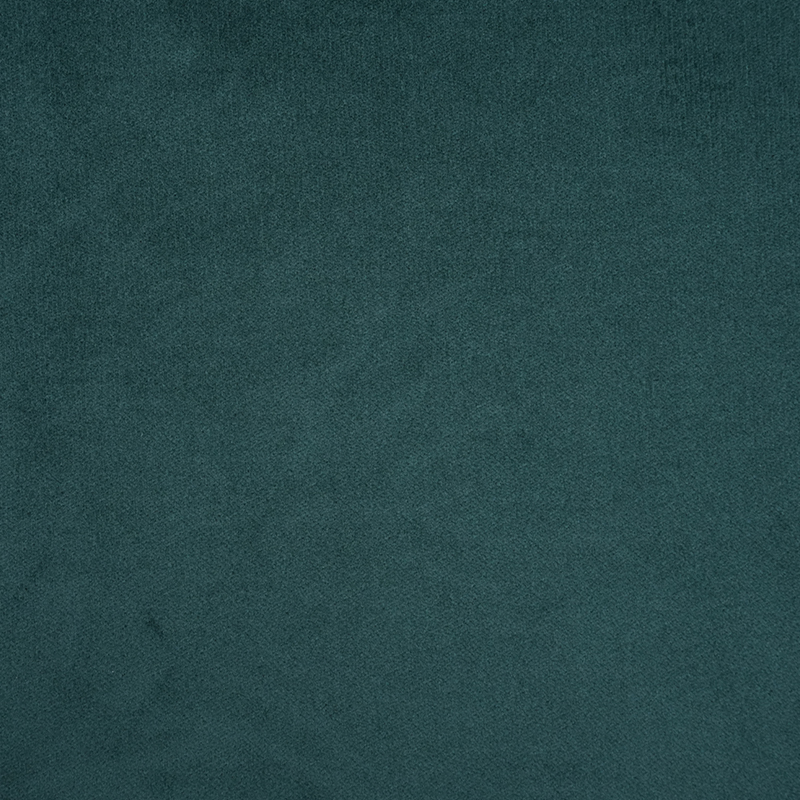
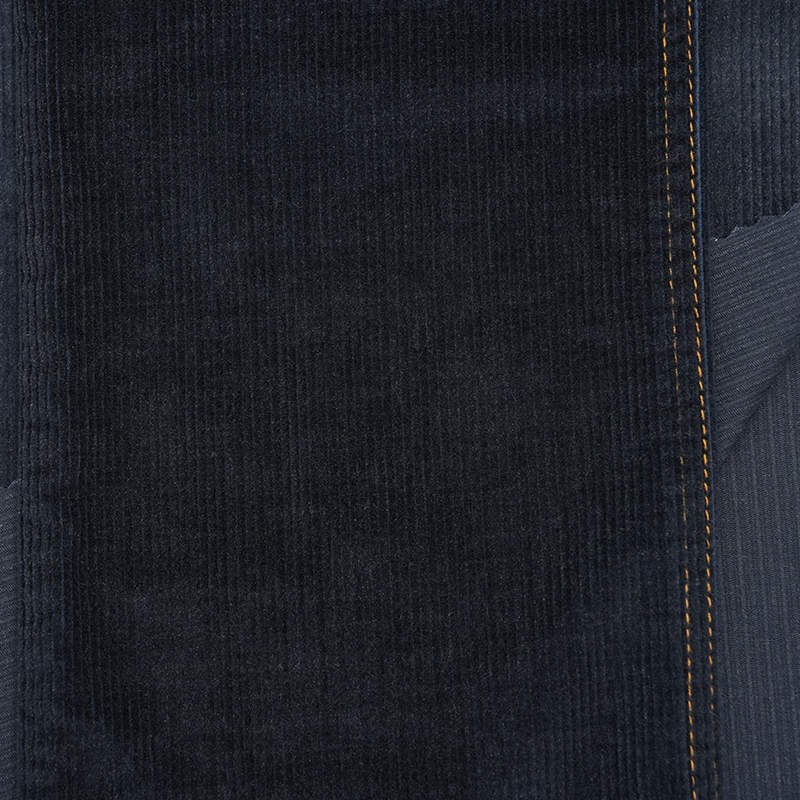
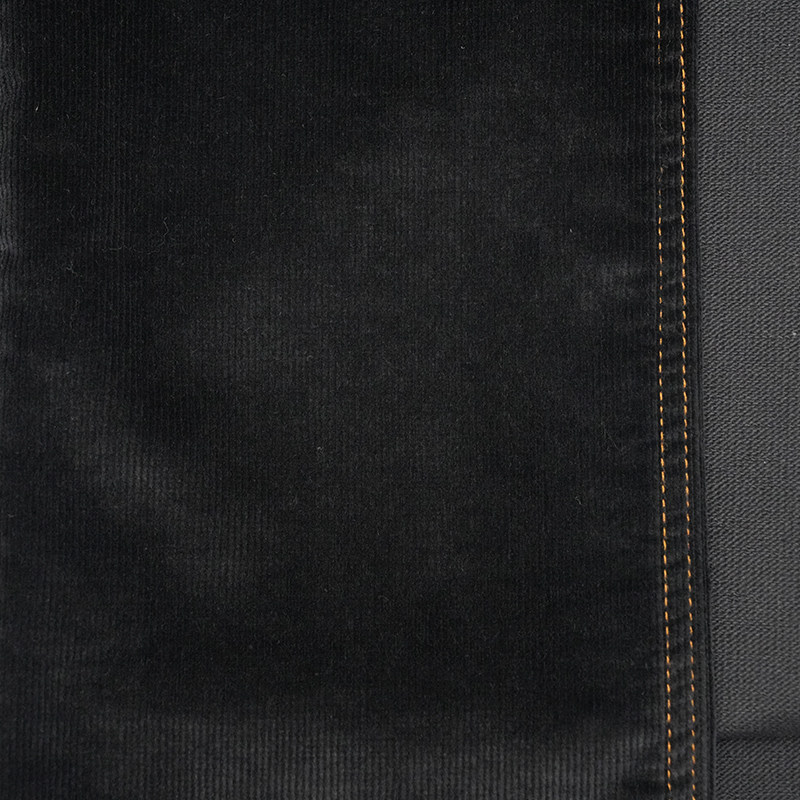
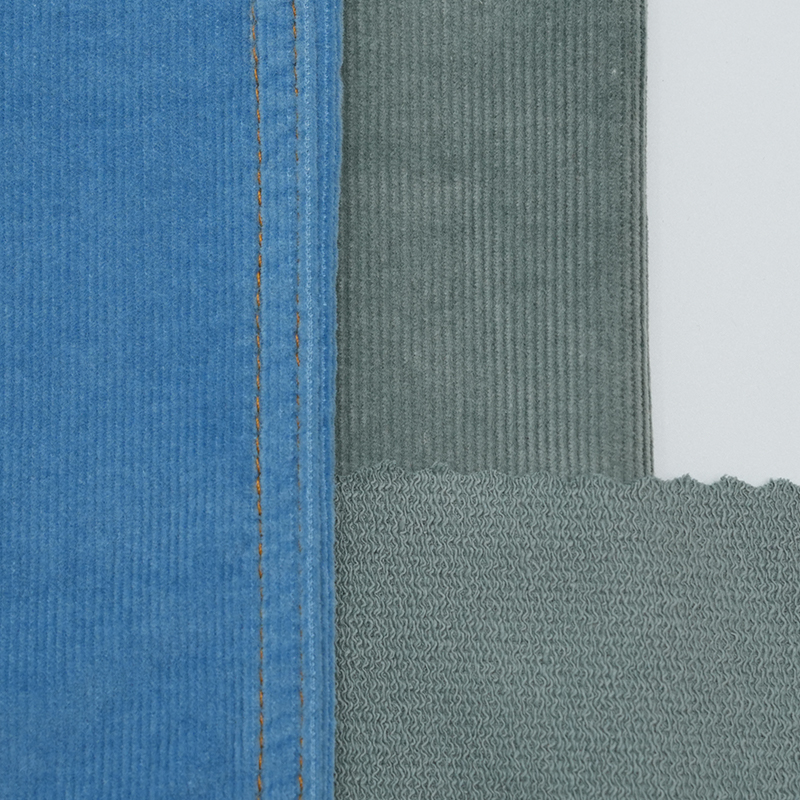
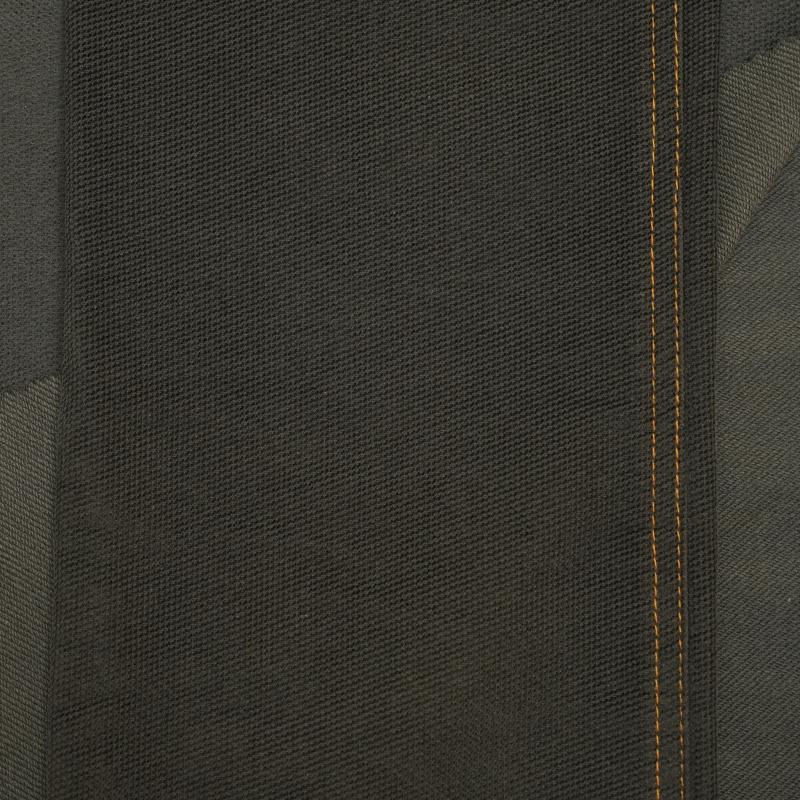
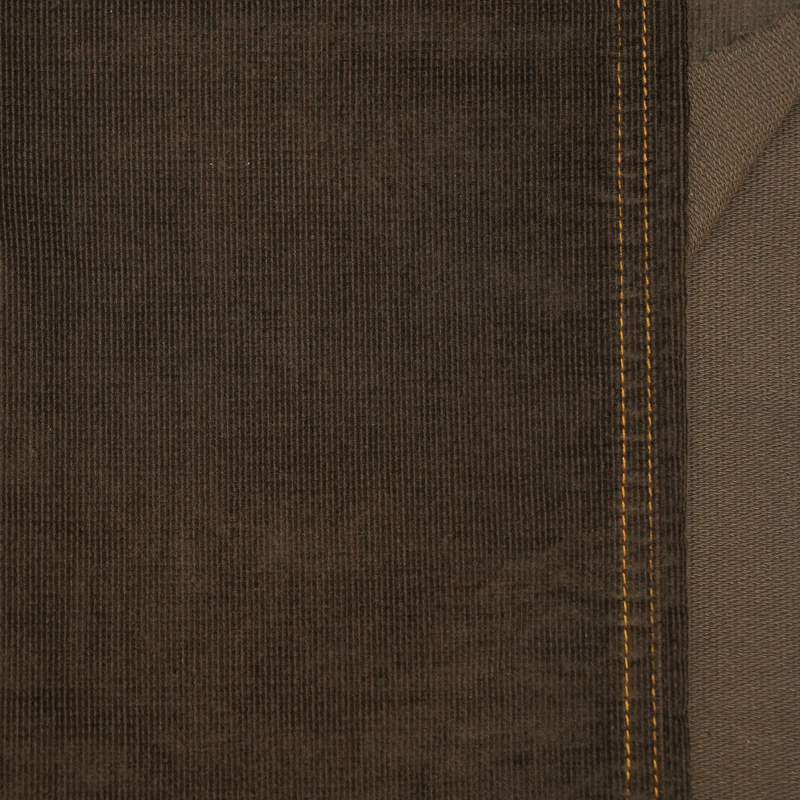
When comparing the durability of Cotton Blended Dyed Fabric to pure cotton, the answer is nuanced. Pure cotton is renowned for its natural strength and comfort, but its durability is a one-dimensional trait focused on tensile strength and abrasion resistance under specific conditions. Cotton Blended Dyed Fabric, typically combining cotton with synthetic fibers like polyester, rayon, or elastane, redefines durability as a multi-faceted property. It strategically enhances certain aspects of longevity while potentially conceding others, creating a fabric engineered for performance in modern, demanding use cases rather than just traditional robustness.
Deconstructing Durability: A Multi-Factor Analysis
Durability is not a single metric. To make a meaningful comparison, we must break it down into its core components and examine how each fiber type contributes within the blend.
Tensile Strength and Resistance to Tearing
Pure cotton fibers have good initial strength that increases when wet. However, under constant stress or friction, 100% cotton can eventually abrade and tear. In a blend, synthetic fibers like polyester provide superior tensile strength. A 65% polyester / 35% cotton blend will significantly outperform pure cotton in pull tests and resist tearing under mechanical stress, making it a preferred choice for workwear, school uniforms, and frequently washed items.
Abrasion Resistance and Pilling
This is a key differentiator. Pure cotton fabrics tend to wear down in high-friction areas (like collars and cuffs) becoming thin and eventually developing holes. The surface may soften but generally doesn't pill severely. Polyester-cotton blends excel in abrasion resistance; the synthetic fibers are exceptionally resistant to surface wear. However, the downside is a greater tendency for pilling—those small fabric balls that form on the surface. These pills are primarily caused by broken polyester fibers that, due to their strength, remain anchored to the fabric instead of breaking away completely.
Color Retention and Longevity of Dye
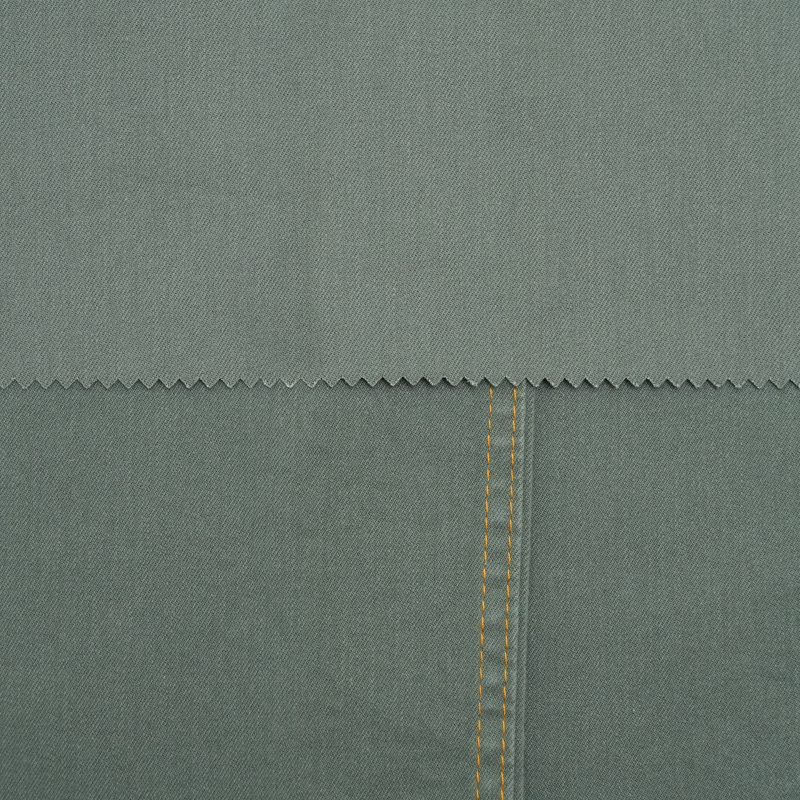
This aspect is crucial for "Dyed" fabric. Pure cotton is highly absorbent, allowing dyes to penetrate deeply, resulting in rich colors. However, especially with darker or brighter hues, cotton is prone to gradual fading from repeated washing and UV exposure. Polyester in a blend is dyed with different, often more colorfast, dyes. The color on the polyester fibers tends to hold its vibrancy much longer and resist fading from sunlight. Therefore, a well-dyed cotton-polyester blend will often maintain its color intensity far longer than pure cotton, making the fabric appear "new" for more washes.
Dimensional Stability: Resistance to Shrinking and Stretching
Pure cotton's major durability flaw is its propensity to shrink, sometimes significantly, upon the first few washes unless pre-shrunk. It can also stretch out of shape over time. The synthetic fibers in a blend dramatically improve dimensional stability. Polyester barely shrinks. A cotton-blended fabric will have minimal shrinkage and will better retain its original size, shape, and fit through countless wash cycles, extending the wearable life of the garment.
| Durability Factor | Pure Cotton Fabric | Typical Polyester-Cotton Blended Fabric |
| Tensile & Tear Strength | Good (stronger when wet) | Excellent |
| Abrasion Resistance | Moderate (wears thin) | Very High (but may pill) |
| Colorfastness Over Time | Moderate (can fade) | High (retains dye well) |
| Dimensional Stability | Low (can shrink/stretch) | High (holds shape) |
| Long-term Feel & Hand | Softens with age | Stays crisper longer |
Practical Implications for Use and Care
The durability profile directly informs the ideal applications and care routines for each fabric type.
Ideal Applications Based on Durability
- Choose Cotton Blended Dyed Fabric for: High-frequency use items like work uniforms, bed linens for hotels, school uniforms, casual shirts, and children's clothing where color retention, shape retention, and resistance to rough wear are priorities.
- Choose Pure Cotton for: Premium bed linens and towels (where absorbency and softness trump sheer toughness), high-end casual wear where natural drape and breathability are key, and in situations where pilling is unacceptable or for those with skin sensitivities to synthetics.
Care Instructions to Maximize Fabric Life
To leverage the durability of a blend, care must be tailored:
- Washing: Use cooler temperatures to protect the dye on the cotton fibers and reduce pilling. Turn garments inside out.
- Drying: Tumble dry on low. The blend's low shrinkage allows for machine drying, but high heat can set wrinkles and accelerate pilling. Line drying is gentlest.
- Pilling Management: Use a fabric shaver or pill remover periodically to maintain a smooth appearance. This is a routine maintenance step for blended fabrics.
The Verdict: A Trade-off, Not a Clear Winner
Declaring one fabric universally more "durable" than the other is misleading. It depends on the definition of durability for the end use.
Pure Cotton offers durability through natural, biodegradable strength and a softening, vintage appeal over time, though it may fade, shrink, and require more ironing. Its durability is organic but one-dimensional.
Cotton Blended Dyed Fabric provides engineered, multi-faceted durability. It is designed to withstand the rigors of modern life and laundering—retaining color, resisting wrinkles and shrinkage, and standing up to abrasion—often at the cost of a less natural hand feel and a tendency to pill. For most high-use, practical applications where maintaining a "like-new" appearance is valued, the blend will demonstrate greater functional longevity. The choice ultimately hinges on whether you prioritize the enduring, evolving character of a natural fiber or the consistent, resilient performance of an engineered material.