English
 中文简体
中文简体 Tiếng Việt
Production of various high-end fabrics reaches 7 million meters annually, including a wide range of fashionable new products and exquisite items, with a broad coverage of color patterns.

Corduroy Dyed Fabric: Types, Techniques & What to Expect
2026-02-27
Content
- 1 What Makes Corduroy Different to Dye
- 2 Dyeing Methods That Work Well on Corduroy
- 3 Pre-Dyeing Preparation: Steps You Shouldn't Skip
- 4 How to Maintain Corduroy's Texture After Dyeing
- 5 Color Fastness: How Well Does Dyed Corduroy Hold Its Color?
- 6 Buying Pre-Dyed Corduroy Fabric: What to Look For
- 7 Popular Uses for Corduroy Dyed Fabric
Corduroy dyed fabric achieves its best results when the dyeing method matches the fiber content — cotton corduroy takes fiber-reactive dyes exceptionally well, while polyester-blend corduroy requires disperse dyes for lasting color. Whether you're dyeing corduroy at home or sourcing pre-dyed fabric, understanding the pile structure and fiber type is the single most important factor in getting rich, even color that holds wash after wash.
What Makes Corduroy Different to Dye
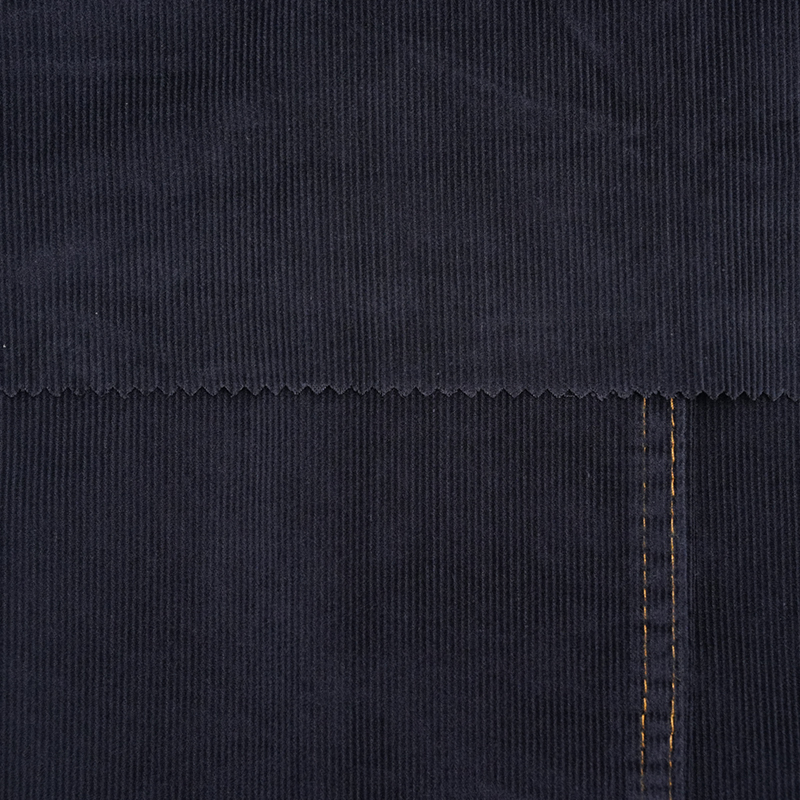
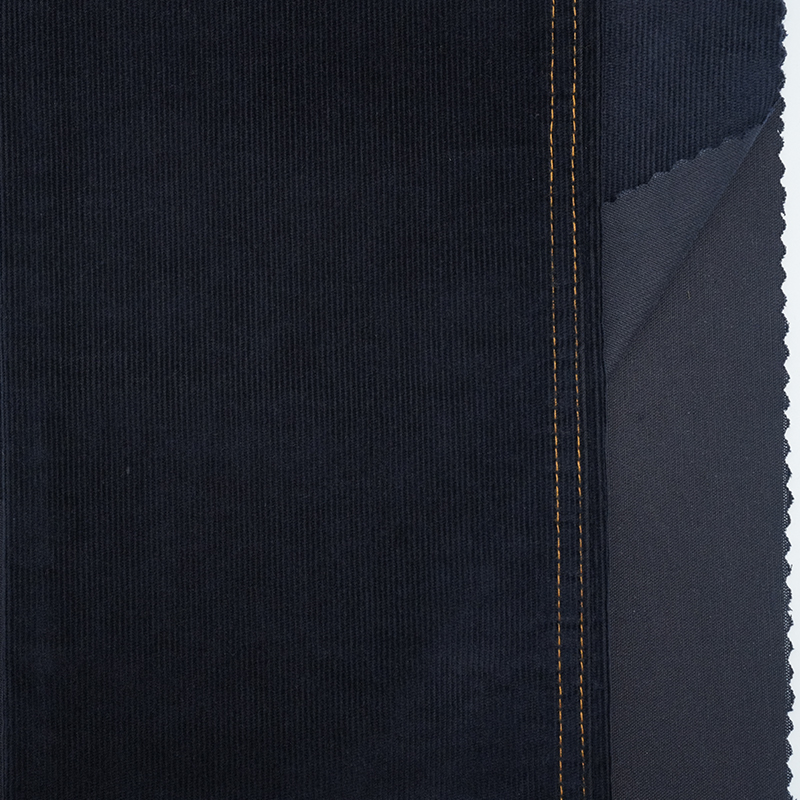
Corduroy is a cut-pile fabric woven with distinctive ridges called "wales." This structure — rows of raised, velvety cords — creates a dual-surface texture that behaves differently than flat-woven fabric during dyeing. The pile fibers absorb dye more readily than the base weave, which can result in uneven color saturation if the fabric isn't handled correctly.
The wale count also matters. Fine-wale corduroy (21-wale and above) has a denser, more uniform surface that dyes more evenly. Wide-wale corduroy (4-wale to 8-wale) has deeper grooves where dye can pool, making blotching more likely without proper agitation.
Common Corduroy Fiber Types and Their Dye Compatibility
| Fiber Type | Best Dye Type | Color Fastness | Notes |
|---|---|---|---|
| 100% Cotton | Fiber-reactive (e.g., Procion MX) | Excellent | Most common; bonds at molecular level |
| Cotton/Polyester Blend | All-purpose or two-step dyeing | Moderate | Polyester resists most dyes; may look heathered |
| 100% Polyester | Disperse dye (requires high heat) | Good (if done correctly) | Not suitable for home stovetop dyeing |
| Stretch Corduroy (Cotton/Spandex) | Fiber-reactive dye | Good | Spandex won't dye, but color still appears uniform |
Dyeing Methods That Work Well on Corduroy
Not every dyeing technique suits corduroy's pile structure. The goal is to achieve deep, uniform penetration without flattening the wales or creating patchy results. Below are the methods most frequently used for corduroy dyed fabric projects.
Immersion (Vat) Dyeing
Immersion dyeing — submerging the fabric in a dye bath — is the most reliable method for solid, even color on corduroy. Cotton corduroy dyed with Procion MX in a warm water bath (95–105°F) with soda ash fixative produces deep, saturated results that last well through machine washing. Continuous, gentle stirring for the first 30 minutes prevents the pile from matting in one direction and helps dye reach into the grooves of the wales.
Low-Water Immersion Dyeing
This technique uses less liquid, allowing dye to strike unevenly and create organic, variegated patterns. For corduroy, this means the raised pile may pick up more color than the base, producing a two-toned effect. It's deliberately imprecise — which makes it popular for artistic or distressed-look projects.
Machine Dyeing
All-purpose dyes like Rit can be used in a top-loading washing machine. While convenient, results on corduroy tend to be slightly less saturated than stovetop immersion dyeing. Using hot water (140°F or higher) and adding salt to exhaust the dye bath improves penetration, particularly in the deeper wale grooves. Avoid front-loading machines, as the tumbling action can flatten the pile permanently.
Tie-Dye and Resist Techniques
Tie-dye and shibori techniques can be applied to corduroy, though the pile creates softer, less precise pattern edges compared to flat cotton. Folding and clamping along the wales creates interesting linear patterns that follow the texture of the fabric. Wax resist (batik) is less practical on corduroy because wax doesn't penetrate the dense pile uniformly.
Pre-Dyeing Preparation: Steps You Shouldn't Skip
Preparation directly determines how evenly corduroy absorbs dye. Skipping steps here is the most common reason for blotchy or faded results.
- Scour the fabric: Wash corduroy in hot water with a small amount of dish soap or synthrapol to remove sizing, oils, and finishes that block dye absorption. New fabric often contains manufacturing residues.
- Check the fiber content label: Even "cotton" corduroy sometimes contains 2–5% elastane or polyester that won't dye. This is normal but worth knowing so you set realistic expectations for final color.
- Wet the fabric thoroughly: Submerge corduroy in warm water before adding it to the dye bath. Dry fabric resists dye at the surface level, causing streaks.
- Pre-mordant if using natural dyes: If working with plant-based dyes (indigo, madder, etc.), alum mordant at a ratio of roughly 15–20% weight of fiber improves uptake and fastness significantly.
How to Maintain Corduroy's Texture After Dyeing
One of the most common complaints about dyeing corduroy at home is that the pile comes out crushed or matted. The dyeing process itself — particularly heat and agitation — can flatten the raised wales. Here's how to preserve the texture:
- Rinse pile-side down: When rinsing out excess dye, keep the pile facing downward under running water so the weight of the water doesn't press it flat.
- Avoid wringing: Squeeze gently rather than twisting. Wringing corduroy distorts the pile direction and can be difficult to reverse.
- Tumble dry on low heat: A short spin in a tumble dryer on low or medium heat helps raise the pile back up. Remove while slightly damp.
- Brush the pile: A soft-bristle garment brush, stroked in the direction of the pile, restores the raised texture after drying.
- Steam rather than iron directly: If pressing is needed, use a velvet board or steam iron held slightly above the fabric surface. Direct iron contact crushes the wales permanently.
Color Fastness: How Well Does Dyed Corduroy Hold Its Color?
Color fastness on corduroy dyed fabric depends on the dye type, fiber content, and how well the dye was fixed. As a benchmark: fiber-reactive dyes on 100% cotton corduroy typically achieve a wash fastness rating of 4–5 on the ISO 105-C06 scale, meaning very good color retention even after repeated washing.
All-purpose dyes like Rit rate lower — roughly 3–4 — and may fade noticeably after 10–15 washes without proper fixative. Natural dyes, unless properly mordanted, can fade significantly faster in sunlight (light fastness of 2–3), though mordanted indigo and tannin-based dyes perform better.
Tips to Improve Longevity
- Wash dyed corduroy in cold water to reduce dye bleed and fiber stress.
- Use a pH-neutral detergent. Alkaline detergents accelerate dye breakdown in fiber-reactive dyes.
- Turn corduroy garments inside out before washing to reduce pile abrasion and fading.
- Avoid prolonged sunlight exposure for storage; UV radiation degrades dye molecules over time, particularly in red and blue tones.
Buying Pre-Dyed Corduroy Fabric: What to Look For
If you're sourcing corduroy dyed fabric rather than dyeing it yourself, a few quality indicators separate well-finished fabric from lower-grade alternatives.
- Even pile color: Check both sides of the fabric bolt. If the color on the cut edge appears significantly lighter than the surface, dye penetration is shallow and the fabric will show wear quickly.
- Rub fastness: Rub a damp white cloth firmly against the fabric. Minimal color transfer indicates good fixation. Heavy bleed means the dye wasn't properly washed off during finishing.
- Consistent wale structure: Inspect the ridges for uniformity. Poor quality corduroy often has broken or irregular wales, which will show more prominently in solid dyed colors than in printed designs.
- OEKO-TEX or GOTS certification: For fabric dyed using safe, regulated processes, look for these certifications. They ensure dye chemicals meet health and environmental standards — relevant if the fabric will be used for children's clothing or direct skin contact.
Popular Uses for Corduroy Dyed Fabric
The combination of corduroy's texture and custom or commercial dyeing opens up a wide range of applications. Solid-dyed corduroy has seen a strong resurgence in fashion since 2021, appearing in everything from tailored blazers to wide-leg trousers. Earth tones — terracotta, olive, and rust — have consistently been among the top-selling dyed corduroy colorways in both retail fabric stores and fashion markets.
- Apparel: Pants, jackets, skirts, and children's clothing benefit from corduroy's durability and the color richness achievable through reactive dyeing.
- Home textiles: Cushion covers, upholstery panels, and throw pillows in dyed corduroy add texture and color without printed patterns.
- Accessories: Hats, bags, and book covers are popular small-project uses, especially for hand-dyed corduroy with unique colorways.
- Upcycling: Over-dyeing faded or stained vintage corduroy garments with a new color is one of the most practical home-dyeing applications, extending garment life significantly.
Related Products

-

- Address: No.8 Longxuan Road, Lijia Town, Wujin District, Changzhou, China
- Phone: +86-13301509168
- Email: [email protected]
- BE THE FIRST TO KNOW
- For exclusive deals and latest offers, sign up by entering your email address below.
- QUICK LINKS
RELATED CERTIFICATIONS: