English
 中文简体
中文简体 Tiếng Việt
Production of various high-end fabrics reaches 7 million meters annually, including a wide range of fashionable new products and exquisite items, with a broad coverage of color patterns.

Corduroy Dyed Fabric: Properties, Dyeing Techniques, and Applications
2026-07-10
Content
Why Dyed Corduroy Remains a Premium Choice
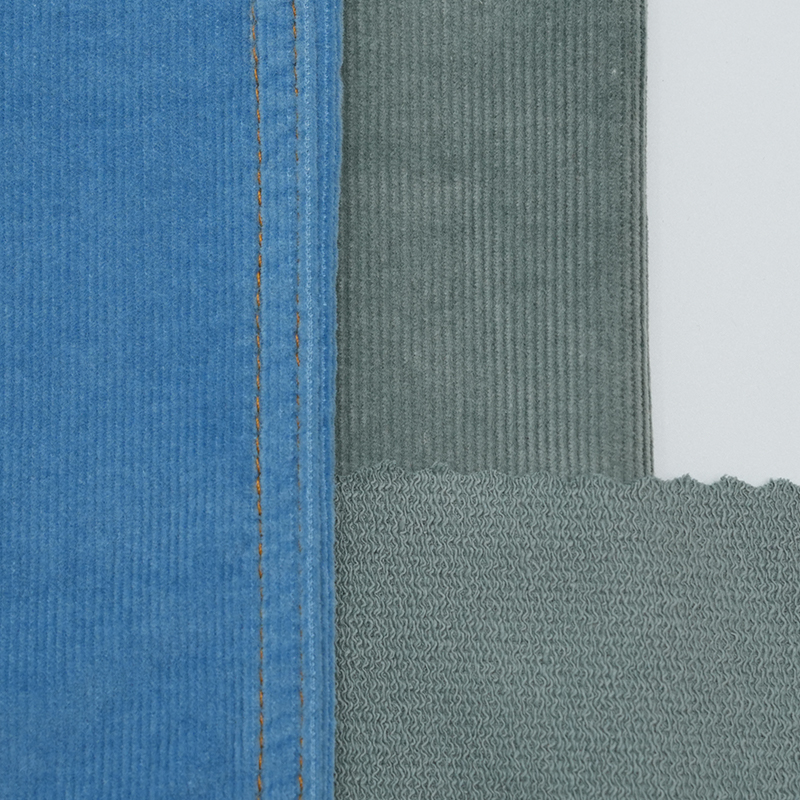
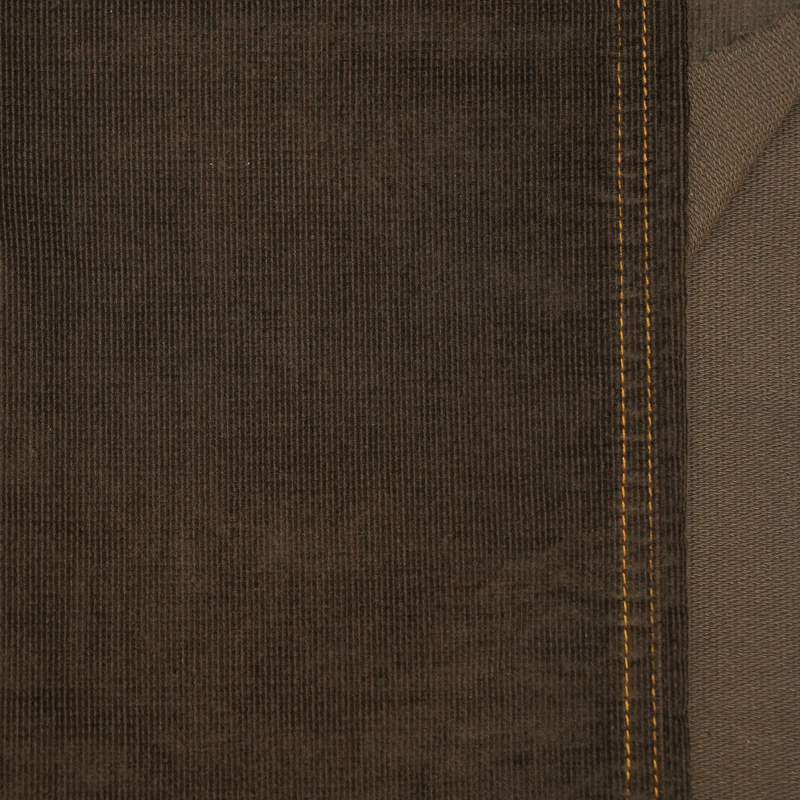
Corduroy dyed fabric delivers an unmatched combination of plush, ribbed texture and exceptional wearing durability. The fabric’s raised wales, formed by cutting and brushing a cotton pile, take dye deeply and evenly, producing rich, long-lasting coloration. Modern corduroy increasingly incorporates recycled cotton and environmentally friendly fibers, meeting consumer demand for sustainable materials without compromising the soft hand feel or the distinctive wishbone-like stripe. This balance of tactile comfort, visual depth, and responsible sourcing explains why dyed corduroy remains a staple for premium trousers, jackets, children’s wear, and upholstery.
A properly dyed corduroy exhibits strong color fastness to washing, light, and rubbing, along with minimal crocking. Mills that integrate spinning, weaving, dyeing, and finishing can control each step, ensuring shade consistency and wale clarity across production lots—key factors that influence both garment quality and fabric yield.
Fiber Composition and Wale Formation
Most corduroy is built on a cotton foundation, but today’s fabric lines frequently add recycled cotton, organic cotton, or differentiated synthetic fibers. The base cloth is woven with a weft pile that is slit and brushed to create the characteristic vertical ribs, or wales. Wale density—the number of ribs per inch—ranges from 3 wide wales for heavy, casual looks to 21 fine wales for dressier garments. This structure has a direct impact on dyeing: finer wales present more surface area, often yielding a deeper apparent shade, while wider wales may require extra attention to penetrate the pile base evenly.
Impact of Pile Density on Dye Uptake
Dye liquor must reach the base of each cut pile tuft. Higher pile density can trap air and resist penetration, making pre-wetting and proper machine tension critical. Reactive dyes, commonly used for cellulosic fibers, achieve fixation rates of 80–90% when process parameters are optimized, giving bright colors that resist fading after repeated home laundering.
Dyeing Techniques for Corduroy Fabric
The choice of dyeing method directly affects color uniformity, hand feel, and environmental footprint. Piece dyeing, where woven greige fabric is dyed in open-width or rope form, remains the most common approach for solid colors. The following table compares widely used techniques for corduroy dyed fabric.
| Dyeing Method | Typical Application | Key Advantages | Typical Color Fastness |
|---|---|---|---|
| Continuous pad-steam | Large-volume solid shades | High productivity, uniform shade | 4–5 (ISO 105-C06) |
| Beam/jigger dyeing | Small lots, delicate wales | Low tension, excellent pile preservation | 4–5 |
| Pigment dyeing | Vintage or washed effects | Unique fading character, simpler process | 3–4 (wet rubbing) |
| Garment dyeing | Finished products, soft feel | Broken-in look, minimal shade lot variation | 4 |
Quality Indicators in Corduroy Dyed Fabric
Buyers and converters evaluate dyed corduroy against several measurable criteria. The most important indicators include:
- Color evenness across the fabric width and between dye lots
- Wale clarity after dyeing—absence of crushed or distorted ribs
- Rubbing fastness (crocking) under dry and wet conditions
- Dimensional stability after washing, typically requiring shrinkage below 2%
- Light fastness rating of at least 4 for apparel and higher for upholstery
A high-quality dyed corduroy will exhibit a consistent pile lay direction and resist marking. Many mills now employ continuous dye ranges with integrated fixation and washing chambers, enabling water usage as low as 30–40 liters per kg of fabric while maintaining excellent fastness scores.
Sustainability Through Recycled and Blended Fibers
Environmental responsibility has reshaped corduroy production. By incorporating recycled cotton or blended fibers such as TENCEL™ Lyocell or recycled polyester, manufacturers reduce the consumption of virgin resources. Data from integrated textile operations indicates that recycled cotton corduroy can lower water consumption by up to 20% and energy use by approximately 15% compared to conventional cotton equivalents. These fabrics retain the same dye affinity and can be processed through the same reactive dyeing routes, making it feasible to offer a full color palette without added chemical loads.
Closed-loop dyeing systems, low-liquor-ratio machinery, and certified organic cotton options further strengthen the eco-profile. The result is a corduroy dyed fabric that meets both market demands for deep, stable colors and growing regulatory requirements around sustainable textiles.
Applications and Care Recommendations
Corduroy dyed fabric finds its place in fall and winter wardrobes as well as in home textiles. Lightweight fine-wale versions are crafted into shirts and dresses, while mid- and heavy-weight qualities serve in trousers, overalls, and structured jackets. Upholstery-grade corduroy dyed with high light fastness is used for sofas and accent chairs.
To preserve the dyed surface and pile, follow these care steps:
- Turn garments inside out before washing to reduce pile abrasion.
- Use cold water and mild detergent; avoid bleach.
- Line dry or tumble dry on low heat to maintain shape and color.
- Iron on the reverse side or use a pressing cloth to avoid flattening wales.
With proper handling, the deep, uniform coloration of a well-dyed corduroy can endure for years, underscoring the fabric’s reputation as a high-value, sustainable textile choice.
Related Products

-

- Address: No.8 Longxuan Road, Lijia Town, Wujin District, Changzhou, China
- Phone: +86-13301509168
- Email: [email protected]
- BE THE FIRST TO KNOW
- For exclusive deals and latest offers, sign up by entering your email address below.
- QUICK LINKS
RELATED CERTIFICATIONS: